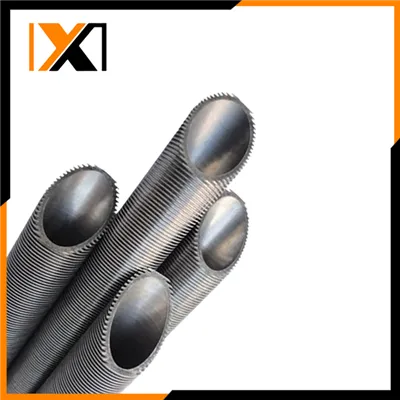
When it comes to purchasing a smooth titanium tube, ensuring its quality is of paramount importance. As a seasoned supplier of Sommth Titanium Tube, I've witnessed firsthand the critical role that high - quality titanium tubes play in various industries, from aerospace to chemical processing. In this blog, I'll share some valuable insights on how to guarantee the quality of a smooth titanium tube during the purchasing process.
Understanding the Basics of Titanium
Titanium is a remarkable metal known for its exceptional properties. It has a high strength - to - weight ratio, excellent corrosion resistance, and biocompatibility. These characteristics make it an ideal material for applications where durability and reliability are crucial. However, not all titanium tubes are created equal, and several factors can affect their quality.
Material Grade
One of the first steps in ensuring quality is to understand the titanium grade. Titanium comes in different grades, each with unique chemical compositions and mechanical properties. For instance, commercially pure titanium (Grade 1 - 4) is highly corrosion - resistant and is often used in applications where formability is important. On the other hand, titanium alloys, such as Ti - 6Al - 4V (Grade 5), offer higher strength and are commonly used in aerospace and high - stress applications. When purchasing a smooth titanium tube, it's essential to identify the appropriate grade based on your specific requirements.
ASTM Standards
The American Society for Testing and Materials (ASTM) has established comprehensive standards for titanium tubes. These standards define the minimum requirements for chemical composition, mechanical properties, dimensions, and surface finish. For example, ASTM B338 covers seamless and welded titanium and titanium - alloy tubes for condensers and heat - exchanger applications. Make sure the smooth titanium tube you're buying meets the relevant ASTM standards. You can request the supplier to provide a certification indicating compliance with these standards.
Evaluating the Manufacturing Process
The manufacturing process significantly impacts the quality of a smooth titanium tube. Different methods are used to produce titanium tubes, and each has its own advantages and limitations.
Seamless vs. Welded Tubes
Seamless titanium tubes are formed from a solid billet, which is heated and pierced to create a hollow tube. This process results in a tube with uniform wall thickness and superior mechanical properties. Seamless tubes are typically preferred for high - pressure and high - temperature applications. Welded titanium tubes, on the other hand, are made by rolling a titanium sheet and welding the seam. While welded tubes are generally more cost - effective, they may have a weaker weld area. When purchasing, consider the application requirements to determine whether a seamless or welded tube is more suitable.
Heat Treatment
Heat treatment is an important step in the manufacturing process of titanium tubes. It can improve the mechanical properties of the tube, such as strength and ductility. Proper heat treatment also relieves internal stresses, which can prevent cracking and other defects. When evaluating a supplier, ask about their heat treatment processes and ensure that they follow industry - recommended practices. A reputable supplier will be able to provide documentation showing the heat treatment history of the tubes.
Inspecting the Physical Characteristics
Once you've identified a potential supplier and narrowed down the options based on material grade and manufacturing process, it's time to inspect the physical characteristics of the smooth titanium tube.
Dimensional Accuracy
The dimensions of the tube, including the outer diameter, inner diameter, and wall thickness, must meet the specified requirements. Even a small deviation in dimensions can affect the performance of the tube in its intended application. Use precision measuring tools, such as calipers and micrometers, to check the dimensions. You can also request the supplier to provide a dimensional inspection report.


Surface Finish
A smooth surface finish is essential for a smooth titanium tube. A rough surface can lead to increased friction, corrosion, and reduced flow efficiency. Look for a tube with a uniform surface finish without any scratches, pits, or other defects. You can visually inspect the tube or use surface roughness measuring instruments to evaluate its finish.
Non - Destructive Testing (NDT)
Non - destructive testing methods can be used to detect internal defects in the tube without damaging it. Common NDT techniques for titanium tubes include ultrasonic testing (UT), eddy - current testing (ET), and radiographic testing (RT). Ultrasonic testing can detect internal flaws such as cracks and voids, while eddy - current testing is effective in detecting surface and near - surface defects. Radiographic testing can provide detailed images of the internal structure of the tube. Ask the supplier if they perform NDT on their tubes and request the test results.
Assessing the Supplier
The reputation and reliability of the supplier are also crucial factors in ensuring the quality of a smooth titanium tube.
Experience and Expertise
Choose a supplier with extensive experience in manufacturing and supplying titanium tubes. An experienced supplier is more likely to have a well - established quality control system and a deeper understanding of the material and manufacturing processes. You can research the supplier's history, read customer reviews, and ask for references.
Quality Assurance Program
A reputable supplier should have a comprehensive quality assurance program in place. This program should include procedures for raw material inspection, in - process quality control, and final product testing. Ask the supplier about their quality assurance measures and request to see their quality management system certification, such as ISO 9001.
Customer Service
Good customer service is also important. The supplier should be able to provide prompt responses to your inquiries, offer technical support, and address any concerns you may have. A supplier who values their customers is more likely to ensure the quality of their products.
Additional Product Offerings
In addition to Sommth Titanium Tube, we also offer other related products such as Tianium Ordinary Low Fin Tube and Titanium High Performance Condensing Tube. These products are designed to meet the specific needs of different applications. When purchasing titanium tubes, you may also want to consider these additional options to ensure that you get the most suitable product for your project.
Conclusion
Ensuring the quality of a smooth titanium tube during purchase involves a combination of understanding the material, evaluating the manufacturing process, inspecting the physical characteristics, and assessing the supplier. By following the steps outlined in this blog, you can make an informed decision and purchase a high - quality smooth titanium tube that meets your requirements.
If you're interested in purchasing high - quality smooth titanium tubes or have any questions about our products, we invite you to contact us for further discussions. Our team of experts is ready to assist you in finding the most suitable solution for your needs.
References
- ASM Handbook Committee. (Eds.). (2000). ASM Handbook: Volume 2: Properties and Selection: Nonferrous Alloys and Special - Purpose Materials. ASM International.
- Boyd, R. D., & Rome, G. L. (2005). Titanium and Titanium Alloys. In R. W. Cahn, P. Haasen, & E. J. Kramer (Eds.), Materials Science and Technology: A Comprehensive Treatment. Wiley - VCH Verlag GmbH & Co. KGaA.
- American Society for Testing and Materials. (2021). ASTM B338 - 21 Standard Specification for Seamless and Welded Titanium and Titanium - Alloy Tubes for Condensers and Heat Exchangers.