What is the hardness of copper tube and copper alloy tube?
As a supplier of copper tubes and copper alloy tubes, I often get asked about the hardness of these products. Hardness is a crucial property that affects the performance, durability, and applications of copper and copper alloy tubes. In this blog, I'll delve into the concept of hardness, explore the hardness of different types of copper and copper alloy tubes, and explain why it matters in various industries.
Understanding Hardness
Hardness is defined as a material's resistance to permanent deformation, typically by indentation. It is a complex property that depends on several factors, including the material's composition, microstructure, and processing history. There are different methods to measure hardness, such as the Brinell, Rockwell, and Vickers tests. Each test has its own scale and is suitable for different materials and applications.
Hardness of Copper Tubes
Pure copper, also known as electrolytic tough pitch (ETP) copper or copper 110, is a soft and malleable metal. It has a relatively low hardness due to its face - centered cubic (FCC) crystal structure, which allows for easy movement of dislocations. The Brinell hardness of pure copper is around 35 - 45 HB.
This softness makes pure copper tubes highly ductile and easy to form, bend, and join. They are commonly used in applications such as plumbing, electrical wiring, and heat exchangers where formability is essential. However, the low hardness also means that pure copper tubes may be more prone to scratching, denting, and wear in some environments.
Hardness of Copper Alloy Tubes
Copper alloys are created by adding one or more alloying elements to copper to enhance its properties. Some common alloying elements include zinc, tin, nickel, and aluminum. The addition of these elements changes the microstructure and mechanical properties of the copper, including hardness.
Brass Tubes
Brass is an alloy of copper and zinc. The hardness of brass tubes depends on the zinc content. For example, cartridge brass, which contains about 30% zinc, has a Brinell hardness of around 85 - 120 HB. The higher zinc content increases the hardness compared to pure copper, making brass tubes more suitable for applications that require greater strength and wear resistance, such as musical instruments, valves, and fittings.
Bronze Tubes
Bronze is an alloy primarily composed of copper and tin, although other elements like aluminum, silicon, or phosphorus may also be present. Phosphor bronze, which contains a small amount of phosphorus, has a Brinell hardness of approximately 70 - 100 HB. The addition of tin and other elements improves the hardness, strength, and corrosion resistance of bronze tubes. They are often used in marine applications, bearings, and springs.
Copper - Nickel Tubes
Copper - nickel alloys, such as Nickel Condenser Tubes C71500 and Copper Nickel Falling Film Evaporator Tube, offer a unique combination of properties. These alloys typically contain 10% to 30% nickel. The addition of nickel increases the hardness of the copper tube. Copper - nickel tubes with 10% nickel have a Brinell hardness of around 60 - 80 HB, while those with 30% nickel can have a hardness of 80 - 100 HB. The high hardness, along with excellent corrosion resistance, makes them ideal for use in seawater applications, such as desalination plants and shipbuilding.
Aluminium Brass Tubes
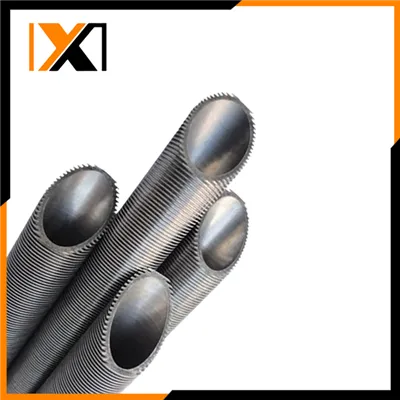
Aluminium Brass High Performance Fin Tube is an alloy of copper, zinc, and aluminum. The addition of aluminum significantly increases the hardness of the alloy. Aluminium brass tubes typically have a Brinell hardness of around 100 - 120 HB. They are commonly used in heat exchangers, condensers, and other industrial applications due to their high strength, good heat transfer properties, and resistance to corrosion in certain environments.
Importance of Hardness in Applications
The hardness of copper and copper alloy tubes plays a vital role in determining their suitability for different applications.
Plumbing
In plumbing systems, the hardness of the tubes affects their resistance to damage during installation and use. Softer copper tubes are easier to bend and connect, but harder alloys may be preferred in areas where the tubes are likely to be subjected to physical stress or abrasion.
Electrical Applications
For electrical wiring, the hardness is less of a concern compared to conductivity. However, in electrical connectors and terminals, a certain level of hardness is required to ensure a secure connection and prevent deformation over time.
Heat Exchangers
In heat exchangers, the tubes need to withstand high pressures and temperatures. Harder copper alloy tubes can better resist the mechanical stresses and corrosion associated with these conditions, ensuring a longer service life.
Marine Applications
In the marine industry, copper - nickel and aluminium brass tubes are widely used due to their combination of hardness and corrosion resistance. The hardness helps the tubes withstand the harsh marine environment, including the abrasive action of seawater and the mechanical forces exerted by waves and currents.
Factors Affecting Hardness
Several factors can affect the hardness of copper and copper alloy tubes.


Alloy Composition
As mentioned earlier, the type and amount of alloying elements added to copper have a significant impact on hardness. Different alloying elements have different strengthening mechanisms, which can increase the material's resistance to deformation.
Heat Treatment
Heat treatment processes, such as annealing, tempering, and quenching, can alter the microstructure of the copper and copper alloy tubes, thereby changing their hardness. Annealing, for example, is a process that involves heating the material and then slowly cooling it to relieve internal stresses and soften the material. Quenching, on the other hand, involves rapid cooling to increase the hardness.
Cold Working
Cold working, such as rolling, drawing, or bending, can also increase the hardness of copper and copper alloy tubes. When the material is deformed at room temperature, dislocations are generated and interact with each other, making it more difficult for further deformation to occur.
Conclusion
The hardness of copper tubes and copper alloy tubes is a critical property that influences their performance and applications in various industries. Pure copper tubes are soft and ductile, while copper alloy tubes offer a range of hardness values depending on their composition, heat treatment, and cold - working history. Understanding the hardness of these tubes is essential for selecting the right material for a specific application.
If you are in the market for copper tubes or copper alloy tubes and need more information about hardness or other properties, feel free to contact us for a detailed discussion and to explore the best solutions for your needs. We are committed to providing high - quality products that meet your specific requirements.
References
- "Metals Handbook: Properties and Selection: Nonferrous Alloys and Pure Metals", ASM International
- "Materials Science and Engineering: An Introduction", William D. Callister Jr. and David G. Rethwisch