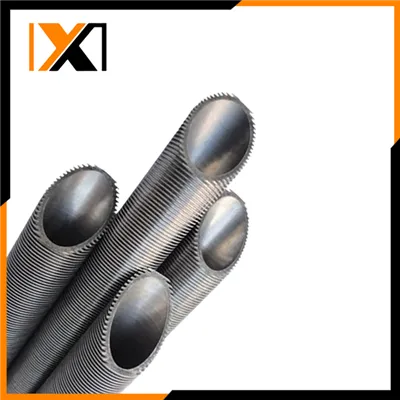
Can titanium tubes be used in automotive applications? That's a question I get asked a lot as a titanium tube supplier. In this blog post, I'm gonna dig deep into this topic to give you a clear answer and share some insights on how titanium tubes can potentially revolutionize the automotive industry.
First off, let's talk about what makes titanium such a special material. Titanium is known for its outstanding strength-to-weight ratio. It's as strong as some steels but weighs about half as much. This property is a game-changer in the automotive world. A lighter vehicle generally means better fuel efficiency, as the engine doesn't have to work as hard to move the car. It also can lead to improved acceleration and handling, since less weight means the car can change directions more quickly and stop more efficiently.
Another great thing about titanium is its exceptional corrosion resistance. Cars are exposed to all kinds of harsh conditions, from road salt in the winter to acidic rain and even the chemicals in vehicle fluids. Traditional metals like steel can rust over time, which not only looks bad but can also weaken the structure of the car. Titanium, on the other hand, resists corrosion like a champ, which means parts made from titanium tubes can last much longer, reducing the need for frequent replacements.
Now, let's look at some specific automotive applications where titanium tubes could be used. One area is in the exhaust system. The exhaust system has to withstand high temperatures and corrosive exhaust gases. Titanium tubes are perfect for this because they can handle the heat without deforming and resist the corrosion from the gases. Using titanium tubes in the exhaust can lead to a lighter exhaust system overall, which, as I mentioned earlier, can boost fuel efficiency and performance.
Titanium tubes can also be used in the suspension system. Suspension components need to be strong and durable to handle the stresses of driving. The high strength of titanium means that suspension parts made from titanium tubes can be designed to be lighter without sacrificing strength. This can improve the ride quality of the car by reducing unsprung weight, which is the weight of the components not supported by the suspension springs. Less unsprung weight allows the wheels to follow the road surface more closely, resulting in better traction and handling.


In addition, titanium tubes can be used in the fuel lines. The fuel system is another area where corrosion resistance is crucial. Since fuel often contains additives and can be acidic, traditional metal fuel lines can corrode over time, leading to leaks and potential safety hazards. Titanium tubes offer a reliable solution with their excellent corrosion resistance. They can also be made to be more flexible and lightweight compared to some other materials, which can make installation easier and reduce the overall weight of the vehicle.
But it's not all sunshine and rainbows. There are some challenges to using titanium tubes in automotive applications. One of the biggest drawbacks is the cost. Titanium is more expensive than many other metals commonly used in the automotive industry, like steel and aluminum. This higher cost can make it difficult for car manufacturers to justify using titanium tubes on a large scale, especially in mass-market vehicles where cost is a major factor.
Another challenge is the difficulty of working with titanium. Titanium requires specialized machining and welding techniques. Not all automotive manufacturers have the equipment and expertise to work with titanium, which can add to the production costs. However, as the demand for titanium in the automotive industry grows, it's likely that more manufacturers will invest in the necessary technology and training to overcome these challenges.
Now, let me tell you about some of the titanium tubes we offer as a supplier. We have the Titanium Pool Boiling Evaporator Tube, which is designed to be highly efficient in heat transfer applications. This tube could potentially be used in automotive cooling systems, where efficient heat transfer is essential for keeping the engine at the right temperature.
We also have the Titanium Pipe Seamless Tube With Titanium Tube Price. The seamless design of this tube makes it stronger and more reliable, which is ideal for applications where high pressure and durability are required, such as in the fuel or hydraulic systems of a car.
And then there's the Titanium Inner Grooved Tube. The inner grooves increase the surface area of the tube, which can enhance heat transfer efficiency. This tube could be used in various automotive heat exchange applications, like radiators or air conditioning systems.
In conclusion, while there are challenges to using titanium tubes in automotive applications, the benefits are too significant to ignore. The strength, light weight, and corrosion resistance of titanium make it a great material for improving the performance, fuel efficiency, and durability of cars. As technology advances and the cost of working with titanium comes down, I believe we'll see more and more automotive manufacturers turning to titanium tubes for their vehicles.
If you're an automotive manufacturer or someone interested in using titanium tubes in automotive applications, I'd love to have a chat with you. We can discuss your specific needs and how our titanium tubes can be a great fit for your projects. Don't hesitate to reach out and start a conversation about potential procurement.
References:
- Materials Science and Engineering textbooks
- Industry reports on automotive materials trends