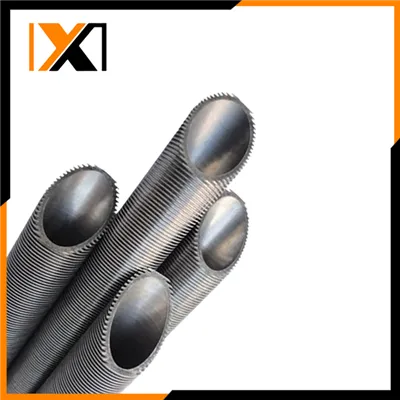
What is the corrosion resistance of titanium corrugated tubes?
As a prominent supplier of titanium corrugated tubes in the market, I've witnessed firsthand the pivotal role that corrosion resistance plays in various industrial applications. It's a topic that not only piques the interest of engineers and procurement managers but also holds the key to the long - term reliability and efficiency of many systems. In this blog, I'll delve deep into the corrosion resistance of titanium corrugated tubes and unveil why they are a top choice for many industries.

The Chemistry Behind Titanium's Corrosion Resistance
Titanium is a remarkable metal, and its corrosion resistance stems from its unique chemical properties. When exposed to oxygen, a thin, dense, and adherent layer of titanium dioxide (TiO₂) forms on the surface of the metal. This oxide layer acts as a natural barrier, protecting the underlying metal from further oxidation and corrosion. Unlike some other metals, this passive film on titanium has the ability to self - repair when damaged, as long as there is an adequate supply of oxygen.
The formation of the TiO₂ layer is a spontaneous process that occurs even in environments with low oxygen levels. The stability and integrity of this layer depend on several factors, such as the purity of the titanium, the pH of the surrounding environment, and the presence of certain aggressive ions. In general, the higher the purity of titanium used in the manufacturing of corrugated tubes, the more effective the protective oxide layer will be.
Corrosion Resistance in Different Environments
One of the most significant advantages of using titanium corrugated tubes is their outstanding performance in highly corrosive environments. Let's explore how they fare in some common settings:
Marine Environments: The combination of saltwater and high humidity in marine applications makes corrosion a major concern. Traditional metals often succumb to rust and degradation in these conditions, but titanium corrugated tubes thrive. The chloride ions present in seawater can be extremely aggressive towards metals, but the TiO₂ layer on titanium resists the pitting and crevice corrosion that are typical in salt - water environments. This makes them ideal for applications such as seawater cooling systems, desalination plants, and offshore oil and gas platforms. For instance, in a desalination plant, the titanium corrugated tubes can withstand the continuous flow of saltwater without significant corrosion, ensuring the long - term operation of the plant.
Chemical Industries: Chemical processing plants handle a wide range of corrosive substances, including acids, alkalis, and organic solvents. Titanium corrugated tubes have excellent resistance to many of these chemicals. For example, they can resist the corrosive effects of hydrochloric acid at certain concentrations and temperatures, unlike many other metals that would dissolve rapidly. In the pharmaceutical and food industries, where strict hygiene standards are required, titanium's corrosion resistance also ensures that there is no contamination of the products due to metal leaching.
Power Generation: In power plants, whether they are nuclear, thermal, or hydroelectric, corrosion can lead to significant problems such as equipment failure and reduced efficiency. Titanium corrugated tubes are commonly used in condensers and heat exchangers because of their resistance to both aqueous and gaseous environments. They can handle the high - temperature and high - pressure conditions in power generation systems without corroding, thereby extending the lifespan of the equipment and reducing maintenance costs.
Comparing with Other Types of Tubes
When it comes to choosing the right tubes for a particular application, it's important to compare titanium corrugated tubes with other options. For example, Sommth Titanium Tube has a smooth surface, which may be suitable for certain applications where the flow characteristics need to be as streamlined as possible. However, the corrugations in titanium corrugated tubes not only add to their structural strength but also enhance the heat transfer efficiency while maintaining excellent corrosion resistance.
On the other hand, compared to tubes made of materials like steel or copper, titanium corrugated tubes offer far superior corrosion resistance. Steel tubes are prone to rusting when exposed to moisture, and copper tubes can corrode in the presence of certain chemicals. In contrast, the long - term cost - effectiveness of titanium corrugated tubes becomes evident as they require less frequent replacement and maintenance.
The Role of Design and Manufacturing in Corrosion Resistance
The design and manufacturing process of titanium corrugated tubes also play a crucial role in their corrosion resistance. During the manufacturing process, any defects in the tube, such as surface cracks or inclusions, can compromise the integrity of the protective oxide layer and make the tube more susceptible to corrosion. Therefore, strict quality control measures are essential to ensure that the tubes are free from such defects.
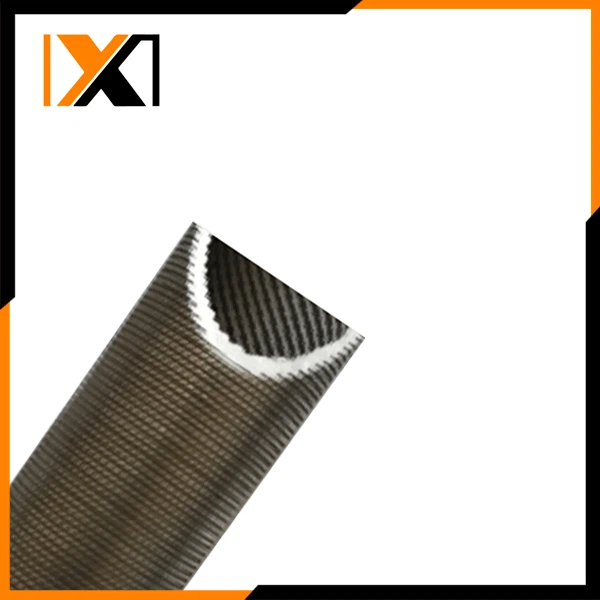
The corrugation design itself can also impact corrosion resistance. A well - designed corrugation pattern can help to reduce the stagnation of fluids inside the tube, which is beneficial as stagnant fluids can lead to the accumulation of corrosive substances and the formation of localized corrosion. Additionally, the corrugations can increase the surface area of the tube, which in turn enhances the formation and stability of the protective oxide layer.
Applications Highlighting Corrosion Resistance
The diverse applications of titanium corrugated tubes are a testament to their corrosion resistance. In addition to the applications mentioned earlier, they are also widely used in the aerospace industry. Aircraft components are often exposed to harsh environmental conditions, including high - altitude moisture and chemical de - icers. Titanium corrugated tubes can resist corrosion in these demanding situations, contributing to the safety and reliability of aerospace systems.
Another interesting application is in the automotive industry, particularly in high - performance engines. The cooling systems of these engines require tubes that can withstand high temperatures and the corrosive effects of engine coolant. Titanium corrugated tubes offer the necessary corrosion resistance and heat transfer capabilities, helping to maintain optimal engine performance.
Our Offerings as a Supplier
As a supplier of titanium corrugated tubes, we take pride in offering high - quality products that meet the most stringent corrosion resistance requirements. Our tubes are manufactured using advanced techniques and the purest titanium materials to ensure the formation of a robust protective oxide layer.
We also offer Titanium High Performance Evaporating Tube, which is specially designed for applications where efficient evaporation and high - level corrosion resistance are required. Whether you need standard sizes or custom - made tubes, our team of experts can work with you to understand your specific needs and provide the best solutions.
If you are looking for reliable and corrosion - resistant Titanium Corrugated Tube for your projects, we are here to help. Our in - depth knowledge of titanium materials and manufacturing processes allows us to offer products that deliver exceptional performance in the most challenging environments.
Conclusion
In conclusion, the corrosion resistance of titanium corrugated tubes is a result of the unique chemical properties of titanium, the formation of a protective oxide layer, and careful design and manufacturing. Their ability to withstand harsh environments, from the depths of the ocean to the high - temperature zones of power plants, makes them a valuable asset in a wide range of industries.
If you are interested in learning more about our titanium corrugated tubes or would like to discuss your procurement needs, please feel free to contact us. We are eager to engage in a fruitful discussion and help you find the perfect solution for your applications.
References
- Jones, D. A. (1996). Principles and Prevention of Corrosion. Prentice - Hall.
- Uhlig, H. H., & Revie, R. W. (1985). Corrosion and Corrosion Control: An Introduction to Corrosion Science and Engineering. Wiley.
-ASM Handbook Committee. (2003). ASM Handbook Volume 13C: Corrosion: Environments and Industries. ASM International.