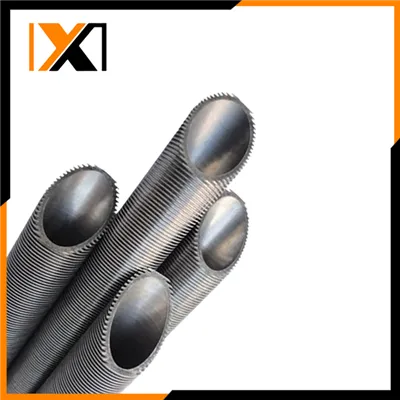
Yo! As a copper tube supplier, I get asked about the price range of copper tubes all the time. So, I thought I'd break it down for you. There are a bunch of factors that can affect how much copper tubes cost, and I'll go through them one by one, then give you an idea of the price range you can expect.
Factors Affecting Copper Tube Prices
1. Copper Quality and Purity
The quality and purity of the copper used to make the tubes play a huge role in determining the price. High - purity copper, which is often around 99.9% pure, is more expensive. This is because it offers better conductivity, corrosion resistance, and overall performance. For applications where these properties are crucial, like in electrical wiring or high - end plumbing systems, customers are willing to pay a premium for tubes made from high - purity copper.
On the other hand, if you're using copper tubes for less critical applications, tubes with a lower purity level might be sufficient. These tubes are generally more affordable, but they may not have the same durability or performance characteristics as the high - purity ones.
2. Tube Size and Thickness
The size and thickness of the copper tube also have a significant impact on its price. Larger - diameter tubes require more raw material to produce, which means they cost more. Similarly, thicker - walled tubes are more expensive because they use more copper.
For example, a small - diameter, thin - walled copper tube used for a simple DIY plumbing project will be much cheaper than a large - diameter, thick - walled tube used in industrial applications.
3. Manufacturing Process
There are different manufacturing processes for copper tubes, and each can affect the price. Extruded copper tubes, which are made by forcing copper through a die, are relatively common and cost - effective. They are suitable for a wide range of applications, from plumbing to HVAC systems.
However, drawn copper tubes, which are made by pulling a tube through a series of dies to reduce its diameter and increase its length, are often of higher quality. The drawn process can result in more precise dimensions and a smoother surface finish. These tubes are typically used in applications where tight tolerances are required, such as in refrigeration systems, and they come at a higher price.
4. Market Demand and Supply
The basic rules of supply and demand also apply to copper tube prices. When the demand for copper tubes is high, for example, during a construction boom, prices tend to go up. This is because suppliers may have a hard time keeping up with the demand, and they can charge more for their products.
Conversely, when the demand is low, prices may drop as suppliers try to attract customers. The global supply of copper ore also affects prices. If there are disruptions in copper mining or production, the supply of copper tubes may be limited, leading to higher prices.
5. Tube Type
There are various types of copper tubes available in the market, each with its own price range. For instance, Copper Special Shaped Tube C12200 is designed for specific applications that require non - standard shapes. These tubes are often more expensive due to the additional manufacturing steps involved.
Copper Embossed Tube has a decorative or functional pattern on its surface. The embossing process adds to the manufacturing cost, so these tubes are pricier than regular ones.
Smooth Copper Tube is the most common type and is generally more affordable. It is suitable for a wide range of general - purpose applications, such as plumbing and basic electrical work.
Price Range
Now that we've covered the factors that affect copper tube prices, let's talk about the actual price range. The price of copper tubes can vary widely, but I'll give you a ballpark figure.
For small - diameter (less than 1/2 inch), thin - walled smooth copper tubes, you can expect to pay anywhere from $0.50 to $2 per foot. These tubes are commonly used in residential plumbing for small repairs or DIY projects.
Medium - sized (between 1/2 inch and 1 inch) copper tubes with average wall thickness, which are suitable for larger plumbing systems or some HVAC applications, typically range from $2 to $5 per foot.
Large - diameter (over 1 inch), thick - walled copper tubes, often used in industrial applications or large - scale construction projects, can cost $5 to $15 or more per foot.
Special - shaped or embossed copper tubes, as I mentioned earlier, are more expensive. They can cost anywhere from $10 to $50 per foot, depending on the complexity of the shape or pattern.
Why Choose Us?
As a copper tube supplier, we've been in the game for a long time. We source high - quality copper from reliable suppliers, and our manufacturing processes are top - notch. This means we can offer you a wide range of copper tubes at competitive prices.
Whether you need a small quantity for a weekend DIY project or a large order for an industrial construction, we've got you covered. We understand that every customer has different needs, and we're committed to providing you with the right copper tubes at the right price.
Contact Us for a Quote
If you're interested in purchasing copper tubes, whether it's a simple smooth tube or a specialized copper shaped tube, don't hesitate to reach out. Our team is ready to answer your questions and provide you with a personalized quote based on your specific requirements. We'll work with you to find the best solution for your project and ensure you get the best value for your money.


References
- Johnson, M. (2022). Copper Tube Industry Trends. Metal Market Insights.
- Smith, A. (2023). The Impact of Copper Quality on Tube Prices. Industrial Metal Journal.