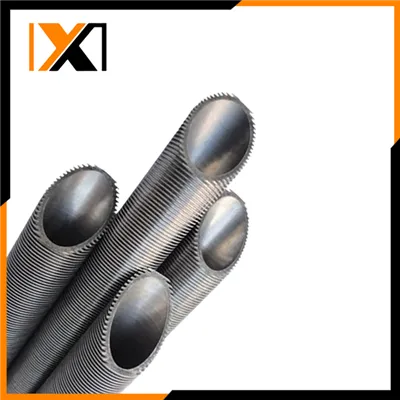
Elasticity is a fundamental mechanical property that plays a crucial role in determining the suitability of materials for various applications. When it comes to titanium tubes, understanding their elasticity is essential for engineers, designers, and end - users alike. As a titanium tube supplier, I am well - versed in the characteristics of titanium tubes and am excited to share in - depth knowledge about their elasticity.
What is Elasticity?
Before delving into the elasticity of titanium tubes, it's important to define what elasticity means. Elasticity refers to a material's ability to deform under the application of stress and return to its original shape once the stress is removed. This property is governed by Hooke's Law, which states that the stress applied to a material is proportional to the strain it undergoes within the elastic limit. The constant of proportionality is known as the elastic modulus, which is a measure of the material's stiffness.
Elasticity of Titanium Tubes
Titanium is known for its unique combination of high strength, low density, and excellent corrosion resistance. The elasticity of titanium tubes is characterized by two primary elastic moduli: the Young's modulus and the shear modulus.
The Young's modulus, also known as the modulus of elasticity in tension, measures a material's resistance to linear deformation under tensile or compressive stress. For titanium, the Young's modulus typically ranges from about 100 to 120 GPa (gigapascals). This value is relatively high compared to some other metals like aluminum but lower than that of steel. The specific Young's modulus can vary depending on the type of titanium alloy used in the tube manufacturing process.
The shear modulus, on the other hand, measures a material's resistance to shear stress. Shear stress occurs when two parallel planes of a material slide past each other. For titanium, the shear modulus is approximately 40 to 45 GPa. This value is important in applications where the tube is subjected to torsional or shearing forces, such as in some mechanical and aerospace applications.
Factors Affecting the Elasticity of Titanium Tubes
Several factors can influence the elasticity of titanium tubes.
Alloy Composition: Different titanium alloys have different elastic properties. For example, titanium - 6aluminum - 4vanadium (Ti - 6Al - 4V), one of the most commonly used titanium alloys, has a well - defined elastic modulus. The addition of alloying elements can either increase or decrease the stiffness of the titanium tube, depending on the nature and proportion of the alloying elements.
Heat Treatment: Heat treatment processes can significantly alter the microstructure of titanium tubes, which in turn affects their elasticity. Annealing, for example, can relieve internal stresses in the tube and improve its ductility, potentially affecting the elastic behavior. Quenching and tempering processes can harden the tube and may also change its elastic modulus.
Manufacturing Processes: The way titanium tubes are manufactured can also impact their elasticity. Processes such as extrusion, rolling, and drawing can introduce residual stresses and affect the grain structure of the tube. These factors can either enhance or degrade the tube's ability to deform elastically.
Applications and Significance of Titanium Tube Elasticity
The elasticity of titanium tubes is a key determinant in many applications.
Aerospace Industry: In aircraft construction, titanium tubes are used for various structural and fluid - handling applications. The high strength - to - weight ratio combined with appropriate elasticity allows these tubes to withstand the complex stress conditions during flight, including vibrations, pressurization, and temperature changes. The ability of titanium tubes to return to their original shape after deformation ensures the safety and reliability of the aircraft systems.
Medical Implants: Titanium is widely used in medical implants such as bone plates, screws, and dental implants. The elasticity of titanium tubes in these applications is crucial as it allows the implant to mimic the mechanical properties of the surrounding bone tissue. This reduces the risk of stress shielding, which can lead to bone resorption over time.
Chemical and Petrochemical Industries: Titanium tubes are highly resistant to corrosion, making them ideal for use in harsh chemical environments. The elasticity of these tubes ensures that they can withstand the internal and external pressures caused by the flow of chemicals without permanent deformation.

Our Product Range and Elasticity Considerations
As a titanium tube supplier, we offer a diverse range of products, each with specific elastic properties tailored to different applications.
Our Titanium High Performance Condensing Tube 1 is designed for use in high - performance condensers. The tube has been engineered to have a well - balanced elasticity that allows it to withstand the thermal expansion and contraction during the condensation process. This ensures long - term reliability and efficiency of the condenser system.
The Sommth Titanium Tube is another popular product in our portfolio. With its smooth surface finish, this tube is often used in applications where low friction and high elasticity are required, such as in hydraulic systems. The specific elastic properties of this tube have been optimized to minimize energy losses during fluid flow.
Our Titanium Inner Grooved Tube is designed for applications that require enhanced heat transfer, such as in refrigeration and air - conditioning systems. The unique inner groove design, combined with appropriate elasticity, allows the tube to expand and contract without compromising the groove structure, thereby maintaining efficient heat transfer performance.
Conclusion
In conclusion, the elasticity of titanium tubes is a complex and important characteristic that is influenced by various factors such as alloy composition, heat treatment, and manufacturing processes. Understanding the elasticity of titanium tubes is crucial for selecting the right product for specific applications. Whether it is in the aerospace, medical, chemical, or other industries, our range of titanium tubes is engineered to meet the diverse elasticity requirements of our customers.
If you are in the market for high - quality titanium tubes and want to discuss your specific elasticity and application needs, we welcome you to contact us for a purchasing consultation. We have a team of experts who can provide you with detailed information and help you choose the most suitable product for your project.
References
- Callister, W. D., & Rethwisch, D. G. (2010). Materials Science and Engineering: An Introduction. Wiley.
- Boyer, R., Welsch, G., & Collings, E. W. (1994). Materials Properties Handbook: Titanium Alloys. ASM International.