

Pitting corrosion is a localized form of corrosion that occurs on the surface of stainless steel, leading to the formation of small holes or pits. This type of corrosion can be particularly damaging as it can penetrate the material quickly, potentially compromising the integrity of stainless - steel components. As a well - established stainless steel supplier, I understand the significance of preventing pitting corrosion not only for the longevity of the product but also for ensuring customer satisfaction. In this blog, I will share some useful strategies on how to prevent pitting corrosion in stainless steel.
Understanding Pitting Corrosion in Stainless Steel
Before delving into prevention methods, it's crucial to understand what causes pitting corrosion in stainless steel. Stainless steel owes its corrosion resistance to a thin, protective oxide layer on its surface. However, certain factors can disrupt this layer, leading to pitting corrosion.
Chloride ions are one of the most common culprits. They can be found in various environments such as seawater, de - icing salts, and some cleaning agents. When chloride ions come into contact with the stainless - steel surface, they can break down the protective oxide layer at specific points. Once the layer is breached, the exposed metal reacts with the surrounding environment, and a pit begins to form.
Other factors that contribute to pitting corrosion include low pH levels, high temperatures, and the presence of stagnant fluids. These conditions can accelerate the corrosion process and make the stainless steel more vulnerable to pitting.

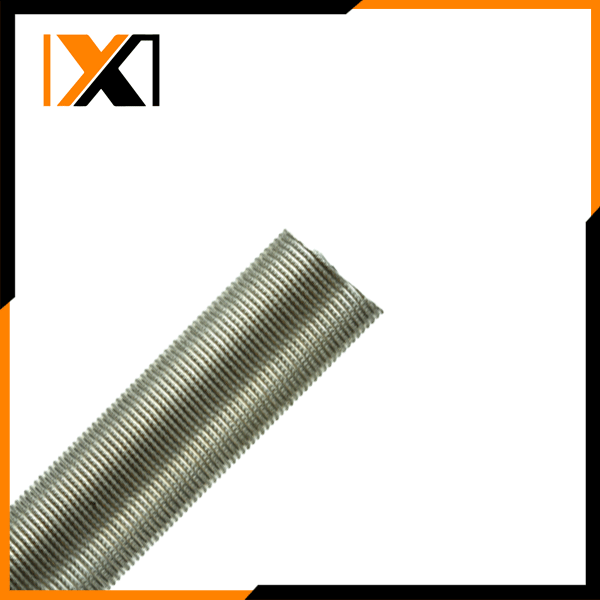
Material Selection
One of the first steps in preventing pitting corrosion is choosing the right type of stainless steel. Different grades of stainless steel have varying levels of resistance to pitting. For instance, austenitic stainless steels like 316 and 316L are more resistant to pitting corrosion compared to 304 due to the addition of molybdenum. Molybdenum enhances the steel's resistance to the attack of chloride ions.
If you are in an environment with high chloride levels, such as a coastal area or a chemical processing plant, it is advisable to opt for higher - grade stainless steels. We offer a wide range of stainless - steel products, including Stainless Steel Falling Film Evaporator Tube and Stainless Steel Hemp Tube, in different grades to meet your specific requirements. Our experts can help you select the most suitable grade based on your application and environmental conditions.
Surface Finish
The surface finish of stainless steel plays a significant role in preventing pitting corrosion. A smooth surface is less likely to trap contaminants and chloride ions, reducing the risk of corrosion initiation. During the manufacturing process, proper surface finishing techniques should be employed.
For example, mechanical polishing can be used to create a smooth and uniform surface. Electropolishing is another effective method. It not only improves the surface smoothness but also enhances the passive oxide layer, making it more resistant to corrosion. When you purchase stainless - steel products from us, we can provide options with different surface finishes, including electropolished Stainless Steel Inner Grooved Tube, to ensure better corrosion resistance.
Environmental Control
Controlling the environment in which the stainless steel is used is an essential aspect of preventing pitting corrosion. As mentioned earlier, chloride ions, low pH, and high temperatures can contribute to corrosion.
In applications where possible, the concentration of chloride ions in the surrounding environment should be reduced. For example, in a cooling water system, using de - mineralized or softened water can minimize the chloride content. If stainless steel is used in a chemical - containing environment, continuous monitoring and control of the chemical concentrations are necessary.
Maintaining a proper pH level is also crucial. In some cases, adding pH - adjusting agents can help keep the environment neutral or slightly alkaline, which is more favorable for stainless - steel corrosion resistance. Additionally, regulating the temperature can slow down the corrosion rate. If the application allows, keeping the temperature as low as possible can reduce the likelihood of pitting corrosion.
Protective Coatings
Applying protective coatings to stainless - steel surfaces is an effective way to prevent pitting corrosion. Coatings can act as a barrier between the metal and the corrosive environment, preventing chloride ions and other contaminants from reaching the steel surface.
There are various types of coatings available, such as epoxy coatings, polyurethane coatings, and ceramic coatings. Epoxy coatings are commonly used for their good adhesion and chemical resistance. Polyurethane coatings offer excellent abrasion resistance along with corrosion protection. Ceramic coatings can provide high - temperature resistance and a hard, protective layer.
However, it is important to note that the application of coatings should be done correctly. The surface must be properly cleaned and prepared before coating to ensure good adhesion. Regular inspection of the coatings is also necessary to detect any signs of damage or delamination.
Regular Inspection and Maintenance
Regular inspection of stainless - steel components is vital for early detection of pitting corrosion. Visual inspection can help identify the formation of pits on the surface. However, in some cases, non - destructive testing methods such as ultrasonic testing and eddy - current testing may be required to detect internal corrosion or pits that are not visible to the naked eye.
Once pitting corrosion is detected, prompt maintenance is necessary. Small pits can sometimes be repaired by grinding and re - passivating the surface. Re - passivation involves treating the surface to regenerate the protective oxide layer. For more severe cases, the corroded section may need to be replaced.
We recommend establishing a regular inspection and maintenance schedule for all stainless - steel products. Our team can provide guidance on inspection techniques and maintenance procedures to ensure the long - term performance of your stainless - steel components.
Conclusion
Preventing pitting corrosion in stainless steel requires a comprehensive approach that includes material selection, surface finish, environmental control, the use of protective coatings, and regular inspection and maintenance. As a stainless steel supplier, we are committed to providing high - quality products and professional advice to help our customers prevent pitting corrosion and ensure the longevity of their stainless - steel applications.
If you are involved in projects that require stainless - steel products and need assistance in preventing pitting corrosion or have any questions about our product range, please feel free to reach out to us. We are here to support you in choosing the right solutions and guaranteeing the best performance of your stainless - steel components.
References
- Fontana, M. G. (1986). Corrosion Engineering. McGraw - Hill.
- Uhlig, H. H., & Revie, R. W. (1985). Corrosion and Corrosion Control. Wiley - Interscience.
- ASTM International. (2019). Standard Test Methods for Pitting and Crevice Corrosion Resistance of Stainless Steels and Related Alloys by Use of Ferric Chloride Solution. ASTM G48 - 19.
