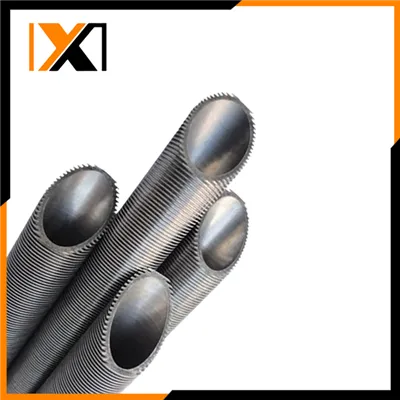
Are copper corrugated tubes resistant to corrosion?
As a dedicated supplier of copper corrugated tubes, I often encounter inquiries from clients regarding the corrosion resistance of these products. This topic is not only crucial for understanding the long - term performance of copper corrugated tubes but also for making informed decisions in various applications. In this blog, I will delve into the science behind the corrosion resistance of copper corrugated tubes, explore the factors that can influence it, and discuss real - world applications.
The Natural Corrosion Resistance of Copper
Copper has long been recognized for its inherent corrosion resistance. When exposed to the atmosphere, copper forms a thin, protective oxide layer on its surface. This layer, known as a patina, acts as a barrier that prevents further oxidation and corrosion. The patina is composed of copper compounds such as copper carbonate and copper hydroxide, which are relatively stable and adhere well to the copper surface.
The formation of the patina is a self - limiting process. Once the layer is formed, it slows down the rate of corrosion significantly. This is one of the reasons why copper has been used for centuries in roofing, plumbing, and other applications where exposure to the elements is common.
In the case of copper corrugated tubes, the same principle applies. The corrugated design does not significantly affect the natural corrosion - resistant properties of copper. The tubes are able to form the protective patina just like any other copper product, which helps to maintain their integrity over time.
Factors Affecting the Corrosion Resistance of Copper Corrugated Tubes
While copper is generally corrosion - resistant, there are several factors that can influence the performance of copper corrugated tubes in different environments:
- Chemical Environment: The presence of certain chemicals can accelerate the corrosion of copper. For example, in environments with high levels of sulfur compounds, such as industrial areas or areas near volcanoes, copper can react with sulfur to form copper sulfide. This compound is not as protective as the patina and can lead to more rapid corrosion. Similarly, exposure to acids or alkalis can also damage the protective layer and increase the rate of corrosion.
- Temperature and Humidity: High temperatures and humidity can increase the rate of corrosion. In moist environments, water can act as an electrolyte, facilitating the electrochemical reactions that lead to corrosion. Additionally, high temperatures can speed up these reactions. Therefore, in hot and humid climates, special considerations may be needed to ensure the long - term performance of copper corrugated tubes.
- Mechanical Stress: The corrugated design of the tubes provides flexibility, but it can also introduce areas of stress concentration. If the tubes are subjected to excessive bending, stretching, or vibration, the protective patina layer may be damaged, exposing the underlying copper to corrosion. It is important to ensure proper installation and handling of the tubes to minimize mechanical stress.
Real - World Applications and Corrosion Resistance
Copper corrugated tubes are used in a wide range of applications, each with its own set of environmental challenges.
- Plumbing Systems: In plumbing, copper corrugated tubes are often used for their flexibility and ease of installation. They are typically resistant to the corrosion caused by water. However, in areas with hard water, which contains high levels of minerals such as calcium and magnesium, scale can form on the inside of the tubes. While scale is not the same as corrosion, it can reduce the flow rate and potentially cause blockages. In some cases, the presence of scale can also create localized areas where corrosion may occur.
- HVAC Systems: In heating, ventilation, and air - conditioning (HVAC) systems, copper corrugated tubes are used for refrigerant lines. These tubes are exposed to refrigerants, oils, and moisture. The refrigerants used in modern HVAC systems are generally non - corrosive to copper. However, if there are leaks or if the system is not properly maintained, moisture can enter the system and react with the refrigerant to form acids, which can corrode the copper tubes.
- Industrial Applications: In industrial settings, copper corrugated tubes may be exposed to a variety of chemicals and harsh environments. For example, in chemical processing plants, the tubes may come into contact with acids, bases, and other corrosive substances. In such cases, additional protective measures may be required, such as coating the tubes with a corrosion - resistant material or using a more corrosion - resistant copper alloy.
Our Product Offerings and Corrosion Resistance
As a supplier, we offer a range of copper corrugated tubes that are designed to meet the highest standards of corrosion resistance. Our products are made from high - quality copper, which ensures the formation of a strong and protective patina.
We also offer different types of copper tubes, such as the Copper High Performance Condensing Tube, which is specifically designed for applications where high - performance and corrosion resistance are required. This tube is made from a special copper alloy that provides enhanced corrosion resistance in demanding environments.
Another product in our portfolio is the IGT Copper Tube in Coil. This tube is available in coil form, which makes it easy to install and handle. It also has excellent corrosion - resistant properties, making it suitable for a wide range of applications.
We also supply the Smooth Copper Tube C12200, which is a high - purity copper tube with good corrosion resistance. It can be used in applications where a smooth surface is required, such as in some plumbing and HVAC systems.
Contact Us for Your Copper Corrugated Tube Needs
If you are in the market for high - quality copper corrugated tubes, we would be delighted to assist you. Our team of experts can provide you with detailed information about our products, including their corrosion - resistant properties and suitability for your specific applications. Whether you are working on a small plumbing project or a large industrial installation, we have the right copper corrugated tubes for you.


We understand the importance of corrosion resistance in your projects, and we are committed to providing you with products that will stand the test of time. Contact us today to discuss your requirements and start the procurement process.
References
- Davis, J. R. (Ed.). (2001). Copper and copper alloys. ASM International.
- Fontana, M. G. (1986). Corrosion engineering. McGraw - Hill.
- Uhlig, H. H., & Revie, R. W. (1985). Corrosion and corrosion control. Wiley - Interscience.