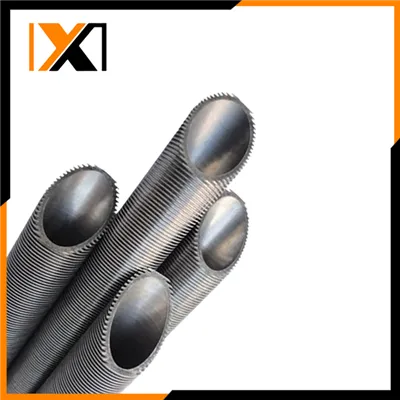
The use of copper in various industries has a long - standing history, and copper hemp tubes, a specialized product, have emerged as a crucial component in many applications. As a supplier of copper hemp tubes, I am often asked about their origin, which is a topic rich in history, science, and cultural significance.
Ancient Beginnings of Copper Use
The history of copper dates back thousands of years. Copper was one of the first metals ever used by humans. Archaeological evidence shows that copper objects were crafted as early as 8000 BC in the Middle East. These early uses were mainly in the form of simple tools and decorative items. The relatively low melting point of copper made it accessible for early metalworkers. They could heat and shape copper using basic fire technology available at that time.
In ancient Egypt, copper was highly prized. It was used in the production of jewelry, amulets, and even in religious ceremonies. The Egyptians also discovered that by adding tin to copper, they could create bronze, a much harder and more durable alloy. This alloy was then used to make weapons, tools, and armor. The relationship between copper and human civilization was thus established from these early days, creating a foundation for the development of more specialized copper products like hemp tubes.
Evolution Towards Copper Tubes
The development of copper tubes can be traced back to the ancient Romans. The Romans were remarkable engineers, known for their extensive water - supply systems. They used lead pipes initially, but due to lead's toxicity and its tendency to corrode, they turned to copper. Copper tubes were used to transport water throughout the vast Roman Empire, bringing fresh water to cities, baths, and fountains.
The manufacturing process at that time involved hammering copper sheets into a tube - like shape and then soldering the seams. This was a labor - intensive process, but it was effective in creating functional water - carrying tubes. The use of copper in plumbing also extended to other parts of the world as trade and cultural exchanges occurred. In Asia, especially in China and India, copper tubes were used in traditional medicine and for distilling spirits.
The Emergence of Copper Hemp Tubes
The term "copper hemp tubes" might seem a bit mysterious at first. The "hemp" aspect likely refers to the texture or the way these tubes are woven together. While the exact origin of the name is not clear - cut, these tubes have found a niche in several industries.
In the field of filtration, copper hemp tubes are prized for their excellent corrosion resistance and high thermal conductivity. The porosity of the tube structure allows for efficient fluid or gas filtration. The idea of using a tubular copper structure for filtration purposes likely evolved from the need to separate impurities from liquids or gases in industrial and scientific processes.
In the realm of heat exchangers, copper hemp tubes play a vital role. Their unique structure provides a large surface area for heat transfer. This is essential in applications such as refrigeration and air - conditioning systems. As technology advanced, the demand for more efficient heat exchangers increased, leading to the refinement of copper hemp tube manufacturing processes.
Manufacturing Processes
To understand the origin of copper hemp tubes better, we need to look at the manufacturing processes involved. Modern manufacturing techniques have come a long way from the ancient hammer - and - solder methods.
Today, the production of copper hemp tubes often starts with high - purity copper. The copper is first melted in a furnace at high temperatures. Once molten, it is cast into a billet, which is a semi - finished block of metal. The billet is then extruded through a die to form a tube. This extrusion process can be adjusted to create tubes of different diameters and wall thicknesses.
After the initial tube formation, the tube may undergo a series of treatments to achieve the desired "hemp - like" texture. This could involve processes such as cold - drawing, annealing, and surface finishing. Cold - drawing involves pulling the tube through a smaller die to reduce its diameter and increase its length, while annealing is a heat - treatment process that relieves internal stresses in the metal and makes it more malleable.
Applications of Copper Hemp Tubes
The applications of copper hemp tubes are diverse. In addition to filtration and heat exchange mentioned earlier, they are also used in the automotive industry. Copper hemp tubes can be found in the fuel injection systems of cars, where their excellent corrosion resistance ensures long - term reliability.
In the electronics industry, these tubes are used for electromagnetic shielding. The copper in the tubes can absorb and dissipate electromagnetic waves, protecting sensitive electronic components from interference. The unique structure of copper hemp tubes also allows for flexible installation in various electronic devices.


As a supplier of copper hemp tubes, we offer a wide range of products to meet different customer needs. For those interested in smooth - surface copper tubes in a coil form, you can check out our Smooth Surface Copper Tube in Coil. If you are in need of copper tubes for direct expansion applications, we recommend our Copper Tube Direct Expansion. And for applications requiring a copper ordinary low - fin tube, visit our Copper Ordinary Low Fin Tube page.
Conclusion
The origin of copper hemp tubes is a story that spans millennia, from the ancient use of copper by early humans to the advanced manufacturing processes of today. The development of these tubes is a result of the continuous pursuit of better materials and technologies in various industries.
As a supplier, we are committed to providing high - quality copper hemp tubes that meet the strictest standards. Whether you are in the automotive, electronics, filtration, or heat - exchange industry, we have the right product for you. If you are interested in purchasing our copper hemp tubes or would like to discuss your specific requirements, please feel free to contact us for a procurement discussion. We look forward to serving you and meeting your copper tube needs.
References
- Tylecote, R. F. (1987). The Early History of Metallurgy in Europe. Longman.
- Needham, J. (1986). Science and Civilisation in China: Volume 5, Chemistry and Chemical Technology, Part 1, Paper and Printing. Cambridge University Press.
- ASM Handbook Committee. (1990). ASM Handbook: Properties and Selection: Nonferrous Alloys and Special - Purpose Materials, Volume 2. ASM International.