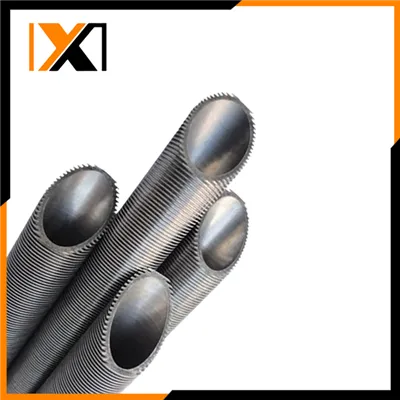
Stainless steel U-shaped tubes are widely used in various industrial applications due to their unique shape and excellent mechanical properties. One of the most critical aspects of these tubes is their chemical stability, which determines their performance and longevity in different environments. As a supplier of stainless steel U-shaped tubes, I understand the importance of chemical stability and its impact on the quality of our products. In this blog, I will delve into the concept of chemical stability in stainless steel U-shaped tubes, exploring the factors that influence it and its significance in practical applications.
Understanding Chemical Stability
Chemical stability refers to the ability of a material to resist chemical changes under specific environmental conditions. In the context of stainless steel U-shaped tubes, chemical stability is crucial because these tubes are often exposed to corrosive substances, high temperatures, and other harsh conditions in industrial settings. A chemically stable stainless steel U-shaped tube will maintain its structural integrity and performance over time, reducing the need for frequent replacements and minimizing downtime in industrial processes.
The chemical stability of stainless steel is primarily attributed to the presence of chromium in its alloy composition. Chromium forms a thin, protective oxide layer on the surface of the steel, known as the passive layer. This layer acts as a barrier, preventing the underlying metal from reacting with oxygen, moisture, and other corrosive agents in the environment. As long as the passive layer remains intact, the stainless steel will exhibit excellent corrosion resistance and chemical stability.
Factors Influencing Chemical Stability
Several factors can influence the chemical stability of stainless steel U-shaped tubes. Understanding these factors is essential for ensuring the optimal performance of the tubes in different applications.
Alloy Composition
The alloy composition of stainless steel plays a significant role in determining its chemical stability. In addition to chromium, other elements such as nickel, molybdenum, and titanium can be added to the alloy to enhance its corrosion resistance and other properties. For example, nickel improves the ductility and toughness of stainless steel, while molybdenum enhances its resistance to pitting and crevice corrosion. The specific alloy composition of a stainless steel U-shaped tube will depend on the intended application and the environmental conditions it will be exposed to.
Surface Finish
The surface finish of a stainless steel U-shaped tube can also affect its chemical stability. A smooth, polished surface is less likely to accumulate dirt, debris, and corrosive substances, making it more resistant to corrosion. On the other hand, a rough or uneven surface can provide sites for corrosion to initiate, reducing the chemical stability of the tube. Therefore, it is important to ensure that the stainless steel U-shaped tubes have a high-quality surface finish to enhance their corrosion resistance.
Environmental Conditions
The environmental conditions to which the stainless steel U-shaped tubes are exposed will have a significant impact on their chemical stability. Factors such as temperature, humidity, pH level, and the presence of corrosive agents in the environment can all affect the performance of the tubes. For example, high temperatures can accelerate the corrosion process, while acidic or alkaline environments can cause the passive layer to break down, exposing the underlying metal to corrosion. Therefore, it is important to select the appropriate grade of stainless steel and take appropriate measures to protect the tubes from the harsh environmental conditions.
Fabrication Processes
The fabrication processes used to manufacture stainless steel U-shaped tubes can also influence their chemical stability. Improper fabrication techniques, such as welding or bending, can cause stress and deformation in the tubes, which can lead to the formation of cracks or other defects. These defects can compromise the integrity of the passive layer, reducing the chemical stability of the tubes. Therefore, it is important to use high-quality fabrication processes and ensure that the tubes are properly heat-treated and stress-relieved after fabrication to minimize the risk of corrosion.
Significance of Chemical Stability in Practical Applications
The chemical stability of stainless steel U-shaped tubes is of utmost importance in various practical applications. Here are some examples:
Heat Exchangers
Stainless steel U-shaped tubes are commonly used in heat exchangers, which are devices used to transfer heat between two fluids. In heat exchangers, the tubes are exposed to high temperatures and corrosive fluids, such as water, steam, and chemicals. The chemical stability of the tubes is essential for ensuring efficient heat transfer and preventing corrosion, which can lead to leaks and reduced performance of the heat exchanger.
Evaporators
In evaporators, stainless steel U-shaped tubes are used to evaporate liquids by heating them. The tubes are exposed to high temperatures and aggressive chemicals, such as acids and alkalis. The chemical stability of the tubes is crucial for preventing corrosion and ensuring the long-term performance of the evaporator. For more information on high-performance evaporating tubes, you can visit Stainless Steel High Performance Evaporating Tube.
Falling Film Evaporators
Falling film evaporators are widely used in the chemical, food, and pharmaceutical industries for the concentration and purification of liquids. Stainless steel U-shaped tubes are used in falling film evaporators to provide a large surface area for the evaporation process. The chemical stability of the tubes is important for preventing corrosion and ensuring the quality of the product being processed. You can learn more about falling film evaporator tubes at Stainless Steel Falling Film Evaporator Tube.
Our Products and Their Chemical Stability
As a supplier of stainless steel U-shaped tubes, we offer a wide range of products with excellent chemical stability. Our tubes are made from high-quality stainless steel alloys, carefully selected to meet the specific requirements of different applications. We use advanced fabrication processes and strict quality control measures to ensure that our tubes have a smooth, polished surface and are free from defects.
One of our popular products is the Stainless Steel U-shaped Tube C12200. This tube is made from a high-grade stainless steel alloy that offers excellent corrosion resistance and chemical stability. It is suitable for use in a variety of applications, including heat exchangers, evaporators, and condensers.
Conclusion
In conclusion, the chemical stability of stainless steel U-shaped tubes is a critical factor in determining their performance and longevity in different applications. Understanding the factors that influence chemical stability and taking appropriate measures to ensure it is essential for ensuring the optimal performance of the tubes. As a supplier of stainless steel U-shaped tubes, we are committed to providing high-quality products with excellent chemical stability. If you are interested in our products or have any questions about the chemical stability of stainless steel U-shaped tubes, please feel free to contact us for more information and to discuss your specific requirements. We look forward to working with you to meet your needs and provide you with the best possible solutions.


References
- ASM Handbook, Volume 13A: Corrosion: Fundamentals, Testing, and Protection. ASM International.
- Stainless Steel: A Technical Guide. The Nickel Institute.
- Corrosion Resistance of Stainless Steels. NACE International.