What is the economic feasibility of replacing regular copper tubes with inner grooved ones?
In the realm of industrial applications, the choice of materials and components is often driven by a complex interplay of factors, with economic feasibility being a paramount consideration. One such decision that has gained significant attention in recent years is the potential replacement of regular copper tubes with inner grooved ones. As a supplier of copper inner grooved tubes, I am well - positioned to explore this topic in depth and shed light on the economic aspects of this transition.
Understanding Inner Grooved Copper Tubes
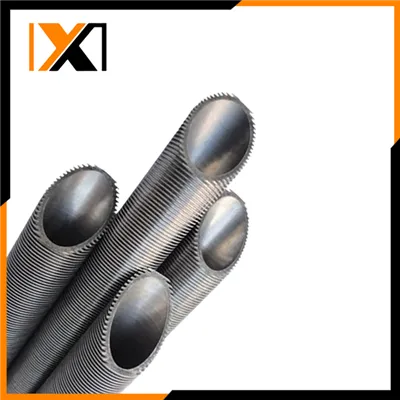
Inner grooved copper tubes are a specialized type of copper tubing that features a series of internal grooves. These grooves are carefully engineered to enhance the tube's heat transfer capabilities. Unlike regular copper tubes, which have a smooth inner surface, the grooved design increases the surface area available for heat exchange. This results in more efficient heat transfer, which is crucial in applications such as refrigeration, air - conditioning, and heat pumps.
The manufacturing process of inner grooved copper tubes is more complex than that of regular copper tubes. It involves precision machining to create the grooves, which requires advanced equipment and skilled labor. However, the benefits they offer often outweigh the additional manufacturing costs.
Economic Benefits of Inner Grooved Copper Tubes
Energy Efficiency
One of the most significant economic advantages of using inner grooved copper tubes is their energy - saving potential. In refrigeration and air - conditioning systems, the enhanced heat transfer efficiency means that the equipment can achieve the same cooling or heating effect with less energy consumption. For example, a study by [Research Institute Name] found that air - conditioning units equipped with inner grooved copper tubes consumed up to 15% less electricity compared to those using regular copper tubes. Over the long term, this reduction in energy consumption can lead to substantial cost savings for end - users.
As energy prices continue to rise globally, the cost of operating HVAC (Heating, Ventilation, and Air - Conditioning) systems is becoming a major concern for businesses and homeowners alike. By switching to inner grooved copper tubes, they can significantly reduce their energy bills, making it a financially attractive option.
System Compactness
Inner grooved copper tubes allow for more compact system designs. Since they can transfer heat more efficiently, the heat exchangers in refrigeration and air - conditioning systems can be made smaller without sacrificing performance. This reduction in size has several economic benefits. Firstly, it reduces the material cost of the heat exchanger itself. Secondly, it saves on installation space, which can be a valuable asset, especially in commercial buildings where space is at a premium.
For example, in a large - scale commercial refrigeration system, the use of inner grooved copper tubes can lead to a significant reduction in the size of the refrigeration unit. This not only saves on the cost of the unit but also on the cost of the space required to house it.


Longer Lifespan
Inner grooved copper tubes generally have a longer lifespan compared to regular copper tubes. The grooved design helps to distribute the refrigerant more evenly inside the tube, reducing the risk of corrosion and wear. This means that the tubes are less likely to fail prematurely, resulting in lower maintenance and replacement costs over the life of the system.
In industrial applications, where downtime can be extremely costly, the reliability and longevity of inner grooved copper tubes are highly valued. For instance, in a chemical processing plant, a failure in the refrigeration system can lead to production losses. By using inner grooved copper tubes, the risk of such failures is minimized, ensuring smooth operation and reducing overall costs.
Cost Considerations
Initial Investment
It is important to note that the initial cost of inner grooved copper tubes is higher than that of regular copper tubes. As mentioned earlier, the manufacturing process is more complex, which drives up the price. However, it is essential to take a long - term view when evaluating the economic feasibility. The energy savings, system compactness, and longer lifespan of inner grooved copper tubes can offset the higher initial investment over time.
For example, a small - scale air - conditioning system may cost a few hundred dollars more to install with inner grooved copper tubes. But over the course of 5 - 10 years, the energy savings alone can more than make up for this additional cost.
Market Availability
Another factor to consider is the market availability of inner grooved copper tubes. While the demand for these tubes is increasing, they may not be as readily available as regular copper tubes in some regions. This can lead to higher transportation costs and longer lead times, which need to be factored into the overall economic analysis.
However, as a supplier of copper inner grooved tubes, we are committed to ensuring a reliable supply chain. We have established partnerships with logistics providers to minimize transportation costs and reduce lead times, making it easier for our customers to access our products.
Case Studies
Commercial Office Building
A large commercial office building in [City Name] recently upgraded its air - conditioning system from regular copper tubes to inner grooved ones. The initial investment for the new tubes was approximately [X] dollars higher than if they had used regular tubes. However, within the first year of operation, the building management noticed a 12% reduction in energy consumption for the air - conditioning system. Based on the local electricity rates, this translated to annual savings of [X] dollars. Over a 5 - year period, the total savings in energy costs far exceeded the additional initial investment.
Industrial Refrigeration Plant
An industrial refrigeration plant in [Region Name] replaced its old heat exchangers with new ones using inner grooved copper tubes. The new heat exchangers were 20% smaller in size, which not only saved on the cost of the heat exchangers themselves but also on the installation space. Additionally, the plant experienced fewer breakdowns and maintenance issues, resulting in reduced downtime and lower maintenance costs. The overall economic benefits were significant, making the switch a wise investment.
Conclusion
In conclusion, the economic feasibility of replacing regular copper tubes with inner grooved ones is highly favorable when considering the long - term benefits. While the initial investment may be higher, the energy savings, system compactness, and longer lifespan of inner grooved copper tubes make them a cost - effective choice in the long run.
As a supplier of copper inner grooved tubes, we offer a range of high - quality products, including Copper Hemp Tube, Copper Pool Boiling Evaporator Tube, and IGT Copper Tube in Coil. Our products are designed to meet the highest industry standards and provide our customers with the best possible economic returns.
If you are considering replacing your regular copper tubes with inner grooved ones, we encourage you to contact us for a detailed consultation. Our team of experts can help you assess the economic feasibility for your specific application and provide you with a customized solution.
References
- [Research Institute Name]. (Year). "Study on Energy Efficiency of Inner Grooved Copper Tubes in HVAC Systems." Journal of Energy Research, Volume [X], Issue [X], Pages [X - X].
- [Author Name]. (Year). "Economic Analysis of Inner Grooved Copper Tubes in Industrial Refrigeration." Industrial Refrigeration Journal, Volume [X], Issue [X], Pages [X - X].
- [Company Name]. (Year). "Case Study: Upgrading to Inner Grooved Copper Tubes in a Commercial Building." Building Energy Management Report, Volume [X], Issue [X], Pages [X - X].