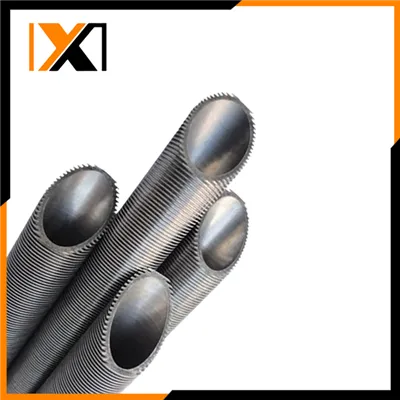
Cutting aluminium brass corrugated tubes requires precision and the right techniques to ensure a clean and accurate cut. As a leading supplier of Aluminium Brass Corrugated Tube, I understand the importance of providing guidance on this process. In this blog post, I'll share some valuable insights on how to cut these tubes effectively.
Understanding Aluminium Brass Corrugated Tubes
Aluminium brass corrugated tubes are widely used in various industries due to their excellent corrosion resistance, high thermal conductivity, and good mechanical properties. These tubes are often employed in heat exchangers, condensers, and evaporators. For instance, our Aluminium Brass High Performance Condensing Tube is specifically designed for high - performance condensing applications, and the Aluminium Brass Falling Film Evaporator Tube is ideal for falling film evaporators.
The corrugated design of these tubes enhances their heat transfer efficiency by increasing the surface area. However, this corrugated structure also presents unique challenges when it comes to cutting.
Tools Required for Cutting
Before you start cutting, it's essential to gather the right tools. Here are some commonly used tools for cutting aluminium brass corrugated tubes:
Hacksaw
A hacksaw is a basic yet effective tool for cutting tubes. Choose a fine - toothed blade to ensure a clean cut. When using a hacksaw, make sure to apply even pressure and keep the blade perpendicular to the tube. This will help prevent the blade from binding in the corrugations.
Tube Cutter
A tube cutter is a more precise tool for cutting tubes. It works by rolling a cutting wheel around the tube, gradually cutting through the material. There are different types of tube cutters available, such as hand - held tube cutters and power - driven tube cutters. Hand - held tube cutters are suitable for small - scale projects, while power - driven tube cutters are more efficient for large - scale production.
Abrasive Cutting Wheel
An abrasive cutting wheel can be used for quick cuts. It is often mounted on a grinder or a cut - off machine. However, this method generates a lot of heat and can cause the tube to deform if not used carefully. Make sure to use a coolant or lubricant to reduce heat and prevent damage to the tube.
Preparation Steps
Proper preparation is crucial for a successful cutting process. Here are the steps you should follow:
Measure and Mark
Use a measuring tape or a ruler to measure the length of the tube you need to cut. Mark the cutting point clearly using a marker or a scribe. Make sure the mark is straight and perpendicular to the axis of the tube.
Secure the Tube
To prevent the tube from moving during cutting, secure it firmly in a vise or a tube holder. Make sure the tube is held tightly but not so tightly that it deforms the corrugations. If the tube is not secured properly, it can cause uneven cuts and damage to the tube.
Cutting Techniques
Using a Hacksaw
- Position the Blade: Place the blade of the hacksaw at the marked cutting point, ensuring that the teeth are facing forward.
- Start Cutting: Apply gentle pressure and start sawing back and forth. Keep the saw blade perpendicular to the tube. As you cut through the corrugations, you may need to adjust the angle slightly to follow the contour of the tube.
- Finish the Cut: Once you have cut most of the way through the tube, reduce the pressure to avoid bending the tube. Finish the cut by applying a light pressure until the tube is completely severed.
Using a Tube Cutter
- Adjust the Cutter: Open the tube cutter and place it around the tube at the marked cutting point. Adjust the cutter so that the cutting wheel is aligned with the mark.
- Tighten the Cutter: Tighten the cutter until the cutting wheel makes contact with the tube. Make sure the cutter is centered on the tube.
- Rotate the Cutter: Rotate the tube cutter around the tube, applying a steady pressure. As you rotate, the cutting wheel will gradually cut through the tube. Periodically tighten the cutter to maintain the cutting pressure.
- Complete the Cut: Continue rotating the cutter until the tube is completely cut. Remove the tube cutter from the tube.
Using an Abrasive Cutting Wheel
- Set Up the Machine: Mount the abrasive cutting wheel on a grinder or a cut - off machine. Make sure the wheel is properly installed and tightened.
- Wear Protective Gear: Put on safety glasses, gloves, and a dust mask to protect yourself from flying debris and dust.
- Cut the Tube: Turn on the machine and carefully bring the cutting wheel to the marked cutting point on the tube. Apply a light pressure and move the cutting wheel along the mark. Use a coolant or lubricant to keep the tube cool and prevent overheating.
- Finish and Clean: Once the cut is complete, turn off the machine and let the tube cool down. Use a file or sandpaper to smooth the edges of the cut.
Post - Cutting Operations
After cutting the tube, there are a few additional steps you should take:
Deburring
Use a deburring tool or a file to remove any burrs or sharp edges from the cut end of the tube. This will prevent injuries and ensure a proper fit when the tube is installed.
Cleaning
Clean the cut end of the tube to remove any debris or contaminants. You can use a clean cloth or a brush to wipe the tube. If necessary, use a solvent to clean the tube thoroughly.
Quality Control
To ensure the quality of the cut, inspect the tube carefully. Check for the following:
Cut Quality
The cut should be straight and perpendicular to the axis of the tube. There should be no visible cracks or deformations in the cut area.
Surface Finish
The surface of the cut end should be smooth and free of burrs. A rough surface can affect the performance of the tube in its application.
Conclusion
Cutting aluminium brass corrugated tubes requires the right tools, proper preparation, and careful execution. By following the techniques and steps outlined in this blog post, you can achieve clean and accurate cuts. As a trusted supplier of Aluminium Brass Corrugated Tube, we are committed to providing high - quality products and valuable technical support. If you have any questions about cutting our tubes or are interested in purchasing our products, please feel free to contact us for further discussion and procurement negotiation.


References
- "Handbook of Copper and Copper Alloys" - This handbook provides detailed information on the properties and processing of copper and its alloys, including aluminium brass.
- "Tube Fabrication and Installation Guide" - A guide that offers practical advice on cutting, bending, and installing tubes in various industrial applications.