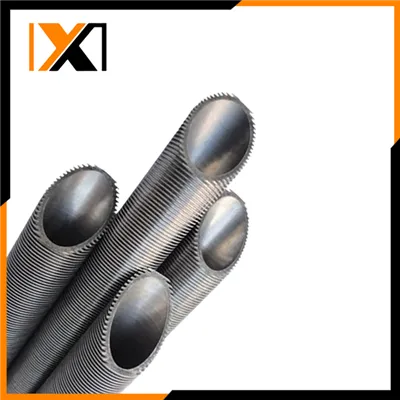
Hey there! As a supplier of copper inner grooved tubes, I've seen firsthand the challenges that come with corrosion. Corrosion can significantly reduce the lifespan and performance of these tubes, which is a big headache for both us suppliers and our customers. In this blog, I'm gonna share some tips on how to prevent corrosion in copper inner grooved tubes.
Understanding Corrosion in Copper Inner Grooved Tubes
Before we dive into the prevention methods, it's important to understand why copper inner grooved tubes corrode in the first place. Copper is a relatively stable metal, but it can react with certain substances in the environment.
One of the main causes of corrosion is exposure to moisture and oxygen. When copper comes into contact with water and air, it forms a layer of copper oxide. Over time, this oxide layer can break down and lead to further corrosion. Another factor is the presence of chemicals in the environment. For example, acidic or alkaline substances can accelerate the corrosion process.
Choosing the Right Environment
The first step in preventing corrosion is to choose the right environment for your copper inner grooved tubes. Try to avoid installing them in areas with high humidity, as moisture is a major contributor to corrosion. If possible, keep the tubes in a dry and well - ventilated space.
Also, be aware of the chemical environment. Avoid placing the tubes near sources of chemicals such as acids, alkalis, or salts. For instance, in industrial settings where there are a lot of chemical fumes, it's crucial to take extra precautions. You can check out Copper Tube Direct Expansion for more information on suitable environments for copper tubes.
Proper Installation
Proper installation is key to preventing corrosion. When installing copper inner grooved tubes, make sure they are properly supported. Uneven support can cause stress on the tubes, which may lead to cracks or damage that can accelerate corrosion.
Use the right fittings and connectors. Make sure they are made of compatible materials. Incompatible materials can create a galvanic cell, which can speed up the corrosion process. For example, if you use a steel fitting with a copper tube, the difference in their electrochemical potentials can cause corrosion.
Surface Treatment
Surface treatment is an effective way to protect copper inner grooved tubes from corrosion. One common method is to apply a protective coating. There are various types of coatings available, such as epoxy coatings or polymer coatings. These coatings act as a barrier between the copper and the environment, preventing moisture and chemicals from reaching the tube surface.
Another option is to passivate the copper surface. Passivation involves treating the copper with a chemical solution to form a thin, protective oxide layer. This layer can provide some protection against corrosion. You can find more details about different surface treatment methods on Smooth Copper Tube C12200.
Regular Maintenance
Regular maintenance is essential for preventing corrosion. Inspect the tubes regularly for any signs of corrosion, such as discoloration, pitting, or flaking. If you notice any early signs of corrosion, take action immediately.
Clean the tubes periodically to remove any dirt, debris, or contaminants that may be on the surface. Use a mild cleaning solution and a soft cloth. Avoid using abrasive cleaners, as they can scratch the surface of the tube and make it more susceptible to corrosion.
Water Treatment
If the copper inner grooved tubes are used in a water - based system, water treatment is crucial. Untreated water can contain various impurities such as dissolved oxygen, minerals, and microorganisms, all of which can cause corrosion.

You can use water treatment methods such as filtration, softening, and de - aeration. Filtration can remove suspended solids from the water, while softening can reduce the hardness of the water by removing calcium and magnesium ions. De - aeration can remove dissolved oxygen from the water, which is a major cause of corrosion.
Monitoring and Testing
It's a good idea to set up a monitoring and testing system for your copper inner grooved tubes. You can use sensors to monitor factors such as temperature, humidity, and the presence of corrosive substances in the environment. Regularly test the water quality in a water - based system to ensure that it meets the required standards.
By monitoring and testing, you can detect any potential corrosion problems early and take appropriate measures to prevent them from getting worse.
Conclusion
Preventing corrosion in copper inner grooved tubes requires a combination of proper environment selection, correct installation, surface treatment, regular maintenance, water treatment, and monitoring. By following these tips, you can significantly extend the lifespan and performance of your copper inner grooved tubes.
If you're interested in purchasing high - quality copper inner grooved tubes or have any questions about corrosion prevention, feel free to reach out to us. We're here to help you make the best choices for your projects. You can also check out Copper Embossed Tube for more options on copper tubes.
References
- "Corrosion of Copper and Copper Alloys" by the NACE International.
- "Handbook of Copper and Copper Alloys" by ASM International.