Hey there! As a supplier of aluminium brass corrugated tubes, I often get asked about the differences between aluminium brass corrugated tubes and stainless - steel corrugated tubes. So, I thought I'd write this blog to break it all down for you.
Material Composition
Let's start with the basics - the material. Stainless - steel corrugated tubes are made from an alloy of iron, with a significant amount of chromium (usually at least 10.5%) and often other elements like nickel, molybdenum, etc. This combination gives stainless steel its well - known corrosion - resistant properties.
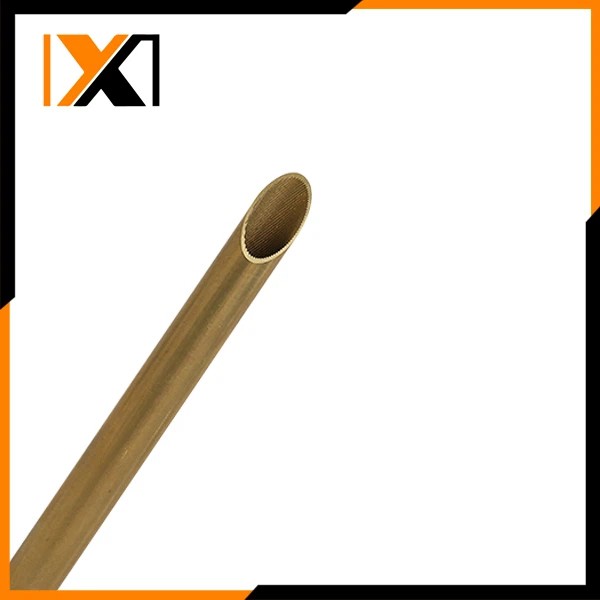
On the other hand, aluminium brass corrugated tubes are made from a copper - based alloy. They contain copper, zinc, and aluminium as the main elements. Sometimes, small amounts of other elements like arsenic are added to enhance certain properties. For example, the En 12451 Cuzn20 Al2as Aluminium Brass C44300 is a specific type of aluminium brass alloy that's commonly used in these tubes.
Corrosion Resistance
When it comes to corrosion resistance, both types have their strengths. Stainless - steel corrugated tubes are great in many environments. They can withstand general atmospheric corrosion, and in some cases, they're used in mildly acidic or alkaline conditions. However, in certain aggressive environments, like seawater, stainless steel can be prone to pitting corrosion and crevice corrosion, especially if the grade isn't chosen carefully.
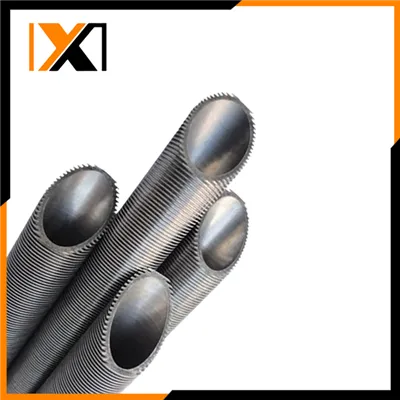
Aluminium brass corrugated tubes, on the other hand, are a star in marine environments. The aluminium in the alloy forms a protective oxide layer on the surface, which helps resist corrosion from seawater. This makes them a popular choice for applications like heat exchangers in ships and coastal power plants. If you're looking for high - performance options, you can check out our Aluminium Brass High Performance Fin Tube. And for more ordinary applications, the Aluminium Brass Ordinary Low Fin Tube might be a good fit.
Thermal Conductivity
Thermal conductivity is an important factor, especially in applications where heat transfer is crucial. Aluminium brass has a relatively high thermal conductivity compared to stainless steel. This means that aluminium brass corrugated tubes can transfer heat more efficiently. In heat exchangers, for example, a higher thermal conductivity allows for better heat exchange between the fluids inside and outside the tube. So, if you need a tube that can quickly and effectively transfer heat, aluminium brass is a better choice.
Mechanical Properties
In terms of mechanical properties, stainless - steel corrugated tubes are generally stronger and more ductile. They can withstand higher pressures and are less likely to deform under stress. This makes them suitable for applications where high - pressure resistance is required, like in some industrial piping systems.
Aluminium brass corrugated tubes are more malleable, which means they can be easily formed into different shapes. However, they may not be as strong as stainless - steel tubes under high - pressure conditions. But in applications where the pressure is relatively low and the ability to be shaped is important, aluminium brass tubes are a great option.

Cost
Cost is always a consideration in any project. Stainless - steel corrugated tubes can be more expensive, especially if you're using high - grade stainless steel with additional alloying elements. The production process of stainless steel also involves more energy - intensive steps, which adds to the cost.
Aluminium brass corrugated tubes are often more cost - effective. The raw materials are generally less expensive, and the manufacturing process can be less complex. This makes them an attractive option for budget - conscious projects without sacrificing too much in terms of performance.
Applications
Stainless - steel corrugated tubes are used in a wide range of industries. They're commonly found in food and beverage processing, chemical processing, and building construction. Their strength and corrosion resistance in non - aggressive environments make them a versatile choice.
Aluminium brass corrugated tubes are mainly used in applications related to the marine industry, as I mentioned earlier. They're also used in air - conditioning and refrigeration systems because of their good thermal conductivity.
Which One Should You Choose?
So, which type of tube is right for you? It really depends on your specific needs. If you're working in a high - pressure, non - aggressive environment and cost isn't a major concern, stainless - steel corrugated tubes might be the way to go. But if you're in a marine environment, need good heat transfer, and are looking for a cost - effective solution, then aluminium brass corrugated tubes are a great option.
If you're still not sure which type of tube is best for your project, or if you have any questions about our aluminium brass corrugated tubes, feel free to reach out. We're here to help you make the right choice. Whether you need a small quantity for a prototype or a large order for a big project, we can work with you.
Conclusion
In conclusion, aluminium brass corrugated tubes and stainless - steel corrugated tubes have their own unique properties and advantages. By understanding the differences in material composition, corrosion resistance, thermal conductivity, mechanical properties, cost, and applications, you can make an informed decision for your project.
If you're interested in learning more about our aluminium brass corrugated tubes or want to start a procurement discussion, don't hesitate to get in touch. We're always happy to talk about how our products can meet your requirements.
References
- "Corrosion Resistance of Metals and Alloys" by Robert W. Revie
- "Heat Transfer in Corrugated Tubes" - Journal of Thermal Science and Engineering Applications
- "Mechanical Properties of Engineering Materials" by John F. Shackelford