

Hey there! As a titanium tube supplier, I often get asked about how to measure the wall thickness of titanium tubes accurately. It's a crucial aspect, especially when it comes to ensuring the quality and performance of the tubes in various applications. In this blog, I'll share some effective methods and tips on how you can measure the wall thickness of titanium tubes like a pro.
Understanding Why Accurate Measurement Matters
First things first, let's talk about why accurate wall thickness measurement is so important. Titanium tubes are used in a wide range of industries, from aerospace to chemical processing. In aerospace, for example, the structural integrity of a plane can depend on the proper thickness of titanium tubes used in its hydraulic systems. If the walls are too thin, the tube might rupture under pressure, leading to catastrophic failures. On the other hand, if they're too thick, it can add unnecessary weight, reducing fuel efficiency.

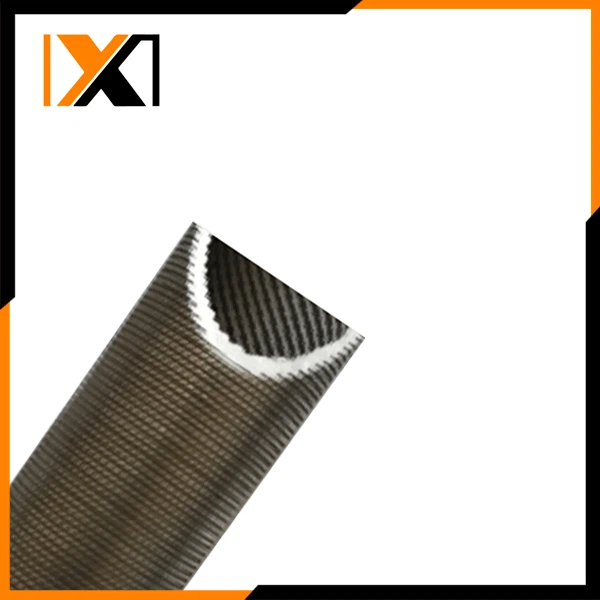
In chemical processing plants, titanium tubes are often used to transport corrosive chemicals. A precise wall thickness measurement ensures that the tube can withstand the corrosive environment for a long time. So, getting the measurement right is not just about following standards; it's about safety, performance, and cost - effectiveness.
Common Methods for Measuring Wall Thickness
Ultrasonic Testing
One of the most popular methods for measuring the wall thickness of titanium tubes is ultrasonic testing (UT). This technique works by sending ultrasonic waves through the tube wall. When the waves hit the inner and outer surfaces of the tube, they reflect back. The time it takes for the waves to travel through the tube wall and come back is measured, and based on the speed of sound in titanium, the wall thickness can be calculated.
The advantage of UT is that it's non - destructive. You don't have to cut the tube or damage it in any way to get the measurement. It's also quite accurate, with the ability to detect small variations in wall thickness. However, it does require some specialized equipment and trained operators. The surface of the tube needs to be clean and smooth for accurate readings, and factors like the presence of internal defects can affect the results.
Caliper Measurement
A more straightforward method is using a caliper. There are different types of calipers, such as vernier calipers and digital calipers. To measure the wall thickness of a titanium tube with a caliper, you first measure the outer diameter of the tube. Then, you measure the inner diameter. The wall thickness is simply half of the difference between the outer and inner diameters.
Caliper measurement is relatively easy to perform and doesn't require expensive equipment. You can do it right on the shop floor. However, it has some limitations. It's not very accurate for tubes with irregular inner or outer surfaces, and it might not be suitable for very thin - walled tubes where small measurement errors can have a significant impact.
Eddy Current Testing
Eddy current testing is another non - destructive method for measuring wall thickness. This technique uses electromagnetic induction. When a coil carrying an alternating current is placed near the titanium tube, eddy currents are induced in the tube. The strength and characteristics of these eddy currents are affected by the wall thickness. By measuring the changes in the eddy currents, the wall thickness can be determined.
Eddy current testing is fast and can be used for in - line inspection during the manufacturing process. It can also detect surface and near - surface defects. But it's sensitive to factors like the electrical conductivity of the titanium, which can vary depending on the alloy and heat treatment.
Tips for Accurate Measurement
Prepare the Tube
Before you start measuring, make sure the tube is clean. Remove any dirt, oil, or debris from the surface. This is especially important for ultrasonic and eddy current testing, as contaminants can interfere with the measurement. If the tube has rough surfaces, you might need to polish them slightly to get more accurate readings.
Take Multiple Measurements
Don't rely on a single measurement. Take multiple measurements at different points along the length and circumference of the tube. This helps to account for any variations in wall thickness that might occur during the manufacturing process. Calculate the average of these measurements for a more accurate result.
Use the Right Equipment
Invest in high - quality measuring equipment. For example, if you're using a caliper, make sure it's calibrated regularly. For ultrasonic or eddy current testing, use equipment that is suitable for titanium tubes and has the necessary accuracy and precision.
Our Titanium Tubes
At our company, we offer a wide range of titanium tubes, including Titanium High Performance Evaporating Tube, Sommth Titanium Tube, and Titanium Corrugated Tube. We ensure the highest quality of our tubes by performing accurate wall thickness measurements using the latest techniques and equipment.
Whether you need tubes for a small - scale project or a large industrial application, we've got you covered. Our team of experts is always ready to help you choose the right tube and provide you with all the technical support you need.
Conclusion
Accurately measuring the wall thickness of titanium tubes is essential for ensuring their quality and performance. By using the right methods, following some simple tips, and investing in good equipment, you can get reliable measurements. If you're in the market for high - quality titanium tubes, don't hesitate to get in touch with us. We're here to assist you in finding the perfect solution for your needs.
References
- "Non - destructive Testing Handbook", ASNT (American Society for Nondestructive Testing)
- "Materials Science and Engineering: An Introduction", William D. Callister Jr. and David G. Rethwisch
