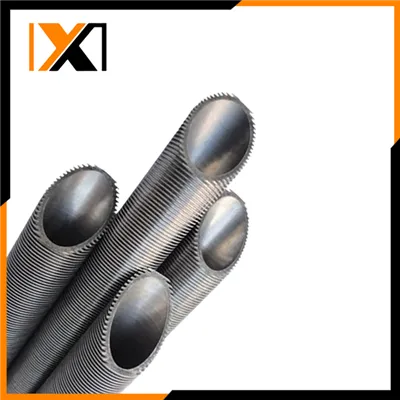
Hey there! I'm a supplier of copper corrugated tubes, and I know how crucial it is to protect these tubes during transportation. Copper corrugated tubes are widely used in various industries, and any damage during transit can lead to significant losses. So, in this blog, I'll share some tips on how to safeguard these tubes while they're on the move.
Understanding the Vulnerabilities of Copper Corrugated Tubes
First things first, we need to understand what makes copper corrugated tubes vulnerable during transportation. Copper is a relatively soft metal, which means it can be easily dented, scratched, or bent. The corrugated design, while offering flexibility and strength, also makes the tubes more susceptible to damage in certain areas. For example, the peaks and valleys of the corrugations can be easily deformed if not properly protected.
Another issue is corrosion. Copper can react with moisture and certain chemicals in the environment, leading to the formation of greenish patina or more severe corrosion. This is especially a concern if the tubes are exposed to humid conditions during transit.
Packaging is Key
One of the most effective ways to protect copper corrugated tubes during transportation is through proper packaging. Here are some packaging tips that I've found to be really helpful.
Use Protective Wrapping
Start by wrapping each tube individually with a soft, protective material. Bubble wrap is a great option as it provides cushioning and helps prevent scratches. You can also use foam sleeves or polyethylene film. Make sure the wrapping is tight enough to stay in place but not so tight that it deforms the tube.
Bundle and Secure
Once the tubes are wrapped, bundle them together. You can use plastic strapping or steel bands to hold the tubes in place. Make sure the bundles are not too large or heavy, as this can make them more difficult to handle and increase the risk of damage. Also, ensure that the tubes are aligned properly within the bundle to prevent any unnecessary pressure points.
Choose the Right Container
Select a sturdy container for transporting the bundled tubes. Wooden crates are a popular choice as they provide good protection and can be easily customized to fit the size of the bundles. You can line the crate with a layer of foam or cardboard to add an extra layer of cushioning. If you're using a shipping container, make sure it's clean, dry, and free of any sharp objects that could damage the tubes.
Consider the Transportation Method
The way you transport the copper corrugated tubes can also have a big impact on their safety. Here are some things to keep in mind depending on the transportation method.
Road Transport
If you're transporting the tubes by road, make sure the truck is in good condition and has a smooth ride. Avoid rough roads and sudden stops or starts, as these can cause the tubes to shift and potentially get damaged. You can also use shock-absorbing materials in the truck bed to reduce the impact of vibrations.
Rail Transport
When using rail transport, secure the containers properly to prevent them from moving during transit. You can use tie-downs or straps to hold the containers in place. Also, be aware of the potential for jolts and vibrations during rail travel and take appropriate measures to protect the tubes.
Sea Transport
For sea transport, the tubes are exposed to a more challenging environment, including saltwater and high humidity. In addition to proper packaging, you may want to consider using desiccants in the containers to absorb moisture. Make sure the containers are sealed tightly to prevent water from getting in.
Environmental Protection
As I mentioned earlier, copper corrugated tubes are prone to corrosion, so it's important to protect them from the environment during transportation.
Control Humidity
If possible, control the humidity in the transportation environment. You can use dehumidifiers in enclosed containers or storage areas. This helps prevent the formation of moisture on the tubes, which can lead to corrosion.
Avoid Chemical Exposure
Keep the tubes away from chemicals that can react with copper. This includes acidic substances, alkaline solutions, and certain cleaning agents. If the tubes need to be cleaned before transportation, use a mild, copper-safe cleaner.
Handling and Loading
Proper handling and loading of the copper corrugated tubes are also essential for their protection.
Train Your Staff
Make sure your staff is trained on how to handle the tubes properly. They should know how to lift, carry, and stack the tubes without causing damage. Provide them with the necessary equipment, such as forklifts or hoists, to make the handling process easier and safer.
Load Carefully
When loading the tubes onto the transport vehicle, be gentle. Avoid dropping or throwing the tubes, as this can cause dents or other damage. Make sure the tubes are loaded in a way that distributes the weight evenly and prevents them from shifting during transit.
Inspections
Before and after transportation, it's important to conduct thorough inspections of the copper corrugated tubes.
Pre-Transport Inspection
Before loading the tubes onto the transport vehicle, inspect each tube for any signs of damage or corrosion. If you find any issues, address them immediately. This could involve replacing a damaged tube or treating a corroded area.
Post-Transport Inspection
Once the tubes arrive at their destination, inspect them again. Look for any new damage that may have occurred during transit. If you find any problems, document them and contact the transportation provider if necessary.
Conclusion
Protecting copper corrugated tubes during transportation is a multi-step process that requires careful planning and attention to detail. By following these tips on packaging, choosing the right transportation method, protecting against the environment, and proper handling and inspections, you can significantly reduce the risk of damage to your tubes.


If you're in the market for high-quality copper corrugated tubes, we've got you covered. We also offer Copper Ordinary Low Fin Tube C12000, Copper High Performance Condensing Tube, and Copper Ordinary Low Fin Tube. Feel free to reach out to us to discuss your specific requirements and start a procurement conversation. We're here to help you get the best products and ensure they arrive at your doorstep in perfect condition.
References
- "Copper Tube Handbook" - Copper Development Association
- "Transportation Packaging Design" - Packaging Machinery Manufacturers Institute