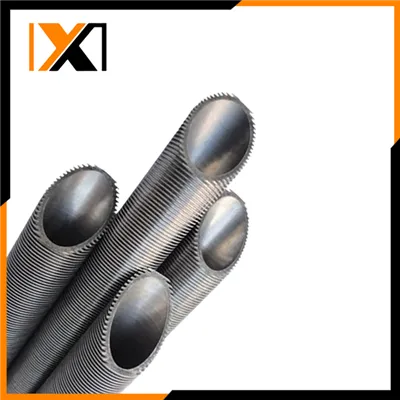
Stainless steel tubes are widely used in various industries due to their excellent corrosion resistance, high strength, and aesthetic appeal. However, bending stainless steel tubes without cracking can be a challenging task. As a stainless steel tube supplier, I have encountered numerous clients facing this issue. In this blog post, I will share some effective methods and tips on how to bend a stainless steel tube without cracking.

Understanding the Properties of Stainless Steel
Before diving into the bending process, it's crucial to understand the properties of stainless steel. Stainless steel is an alloy composed mainly of iron, chromium, and other elements. The chromium content forms a passive oxide layer on the surface, which provides corrosion resistance. However, this also affects the tube's mechanical properties, such as its ductility and work - hardening behavior.
Stainless steel has a relatively high work - hardening rate. During the bending process, as the tube is deformed, the material hardens, making it more difficult to bend further and increasing the risk of cracking. Different grades of stainless steel, such as 304 and 316, have different mechanical properties, so the bending process may need to be adjusted accordingly. For example, our China Stainless Steel Tube 304 Pipe Stainless Steel has specific characteristics that should be considered during bending.
Pre - bending Preparation
- Select the Right Tube
- The quality and wall thickness of the stainless steel tube play a significant role in the bending process. Thicker - walled tubes are generally more difficult to bend without cracking compared to thinner - walled ones. When choosing a tube, consider the application requirements and the bending radius. Our Customized High Quality Stainless Steel Fluid Conveying Pipes are available in various wall thicknesses, allowing you to select the most suitable one for your bending needs.
- Ensure that the tube is free from defects such as scratches, dents, or inclusions. These defects can act as stress concentrators during bending and increase the likelihood of cracking.
- Determine the Bending Radius
- The bending radius is the distance from the center of the bend to the inside of the tube. A smaller bending radius requires more deformation of the tube material, increasing the risk of cracking. As a general rule, the minimum bending radius should be at least three times the outer diameter of the tube. However, this can vary depending on the tube's wall thickness and the grade of stainless steel.
- Clean the Tube
- Before bending, clean the tube thoroughly to remove any dirt, grease, or debris. These contaminants can interfere with the bending process and cause surface damage. Use a mild detergent and a clean cloth to clean the tube, and then dry it completely.
Bending Methods
- Cold Bending
- Mandrel Bending: This is one of the most common methods for bending stainless steel tubes without cracking. A mandrel is inserted into the tube during the bending process to support the inner wall of the tube and prevent it from collapsing or wrinkling. The mandrel can be a solid rod or a segmented mandrel, depending on the bending requirements. Mandrel bending is suitable for tight - radius bends and can produce high - quality bends with minimal distortion.
- Roll Bending: Roll bending involves passing the tube through a set of rollers to gradually bend it to the desired shape. This method is suitable for large - radius bends and can be used to produce circular or elliptical shapes. Roll bending is a relatively gentle bending method, which reduces the risk of cracking. However, it may not be suitable for tight - radius bends.
- Compression Bending: In compression bending, the tube is held between a die and a punch, and the punch is forced against the tube to bend it. This method is simple and cost - effective, but it may cause some flattening of the tube on the inside of the bend. To minimize this, a suitable die and punch design should be used, and the bending force should be carefully controlled.
- Hot Bending
- Hot bending is another option for bending stainless steel tubes, especially when dealing with thick - walled tubes or tight - radius bends. By heating the tube to a specific temperature, the material becomes more ductile and easier to bend. However, hot bending requires specialized equipment and careful temperature control to avoid overheating or causing other defects in the tube.
- The heating temperature depends on the grade of stainless steel. For example, for 304 stainless steel, the tube is typically heated to around 900 - 1050°C. After bending, the tube should be cooled slowly to relieve the internal stresses and prevent cracking.
Post - bending Treatment
- Stress Relieving
- After bending, the stainless steel tube may have internal stresses that can cause cracking over time. To relieve these stresses, the tube can be heat - treated. Stress relieving involves heating the tube to a specific temperature (usually lower than the hot - bending temperature) and holding it at that temperature for a certain period, followed by slow cooling. This process helps to reduce the internal stresses and improve the tube's dimensional stability.
- Surface Finishing
- After bending and stress relieving, the tube may have some surface marks or oxidation. Surface finishing can be done to improve the appearance and corrosion resistance of the tube. Common surface finishing methods include polishing, grinding, and passivation.
Tips for Avoiding Cracking
- Use Lubrication
- Applying a suitable lubricant to the tube surface during bending can reduce friction and prevent the tube from sticking to the bending tools. This helps to ensure a smooth bending process and reduces the risk of cracking. There are various types of lubricants available, such as water - based lubricants and oil - based lubricants. Choose a lubricant that is compatible with stainless steel and the bending process.
- Control the Bending Speed
- A slow and steady bending speed is generally recommended to avoid cracking. Rapid bending can cause the material to deform too quickly, leading to excessive stress and cracking. Use a bending machine with a speed control feature and adjust the speed according to the tube's properties and the bending requirements.
- Inspect the Bends Regularly
- During the bending process, inspect the bends regularly for any signs of cracking or other defects. If a crack is detected early, the bending process can be stopped, and the tube can be repaired or discarded to prevent further problems.
In conclusion, bending a stainless steel tube without cracking requires a combination of proper pre - bending preparation, the right bending method, and appropriate post - bending treatment. As a stainless steel tube supplier, we offer a wide range of high - quality tubes, such as Hot Rolled Stainless Steel Pipe 304, to meet your different needs. If you have any questions about bending stainless steel tubes or need to purchase stainless steel tubes, please feel free to contact us for further discussion and procurement negotiation.
References
- ASM Handbook Volume 6: Welding, Brazing, and Soldering. ASM International.
- Stainless Steel Handbook, 4th Edition. Outokumpu.
- Bending Handbook: A Practical Guide to Sheet Metal Bending. The Fabricator.