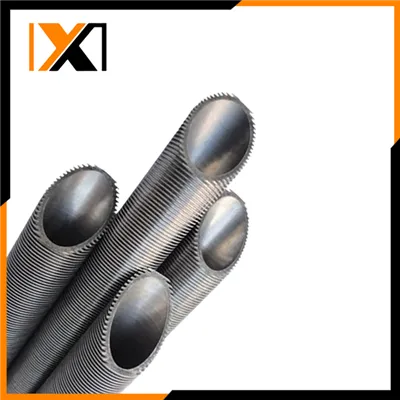
A hydraulic system is a power transmission system that uses pressurized fluid to drive mechanical equipment, and stainless steel tubes are widely used in hydraulic systems due to their excellent corrosion resistance, high strength, and long - term durability. As a professional stainless steel tube supplier, I am delighted to share comprehensive information about installing stainless steel tubes in a hydraulic system.
Preparation Before Installation
Before starting the installation process, it's essential to make thorough preparations to ensure a smooth and successful installation.
Material Selection
Selecting the right stainless steel tube for your hydraulic system is crucial. Different applications may require different grades and specifications of stainless steel tubes. For general hydraulic applications, China Stainless Steel Tube 304 Pipe Stainless Steel is a popular choice. It offers good corrosion resistance and mechanical properties at a reasonable cost. If your application involves high - performance evaporation processes, Stainless Steel High Performance Evaporating Tube would be more suitable, as it is specifically designed to meet the requirements of such demanding conditions. And for applications where space is limited or a particular flow path is needed, Stainless Steel U - shaped Tube can provide a practical solution.
When choosing the tubes, consider factors such as the operating pressure, temperature, fluid type, and flow rate of the hydraulic system. Ensure that the selected tubes can withstand the maximum pressure and temperature that the system may encounter during operation.
Inspection of Tubes and Components
Once you have selected the appropriate tubes, carefully inspect them for any defects. Check for surface scratches, dents, or cracks, as these can weaken the tube and lead to potential leakage or failure in the hydraulic system. Also, examine the tube ends to ensure they are smooth and free of burrs.
In addition to the tubes, inspect all the associated components such as fittings, valves, and flanges. Make sure they are of high quality and compatible with the stainless steel tubes. Check the sealing surfaces of the fittings and ensure that they are clean and undamaged.
Tools and Equipment
Gather all the necessary tools and equipment for the installation. Common tools include tube cutters, deburring tools, wrenches, and hydraulic power tools for tightening fittings. Ensure that the tools are in good working condition and are suitable for working with stainless steel materials.
Measuring and Cutting
Accurate measurement and cutting of the stainless steel tubes are essential steps in the installation process.
Measuring
Measure the required length of the tube based on the layout of the hydraulic system. Use a measuring tape or a caliper to obtain precise measurements. Mark the cutting position on the tube clearly to ensure accurate cutting.
Cutting
Use a proper tube cutter to cut the stainless steel tube. There are various types of tube cutters available, such as manual tube cutters and power - operated tube cutters. Manual tube cutters are suitable for small - diameter tubes, while power - operated cutters can handle larger - diameter tubes more efficiently.
When cutting the tube, make sure to keep the tube cutter perpendicular to the tube axis to ensure a straight cut. Apply consistent pressure during the cutting process to prevent uneven cuts or damage to the tube.
Deburring
After cutting the tube, use a deburring tool to remove any burrs or sharp edges from the tube ends. Burrs can cause problems such as restricted fluid flow, damage to seals, and premature wear of components in the hydraulic system. Remove all the burrs thoroughly to ensure a smooth and clean tube end.
Bending the Tubes (if necessary)
In some hydraulic systems, it may be necessary to bend the stainless steel tubes to fit the specific layout. Bending the tubes requires special tools and techniques to ensure that the tube wall thickness remains uniform and that there are no kinks or cracks in the bent area.


Tube Bending Tools
There are different types of tube bending tools available, such as manual tube benders, hydraulic tube benders, and electric tube benders. Choose the appropriate tool based on the tube diameter, bending angle, and the required precision.
Bending Process
Before starting the bending process, clean the tube surface and apply a suitable lubricant to reduce friction between the tube and the bending die. Set the bending angle and radius on the bending tool according to the design requirements. Slowly bend the tube to the desired angle, ensuring that the bending process is smooth and gradual.
During the bending process, continuously check the tube for any signs of distortion or damage. If the tube shows any signs of kinking or cracking, stop the bending process immediately and replace the tube.
Fitting Installation
Proper fitting installation is crucial for the reliable operation of the hydraulic system.
Selecting the Right Fittings
Choose fittings that are compatible with the stainless steel tubes and the hydraulic system. Common types of fittings used in hydraulic systems include compression fittings, flare fittings, and welded fittings. Compression fittings are easy to install and are suitable for low - to medium - pressure applications. Flare fittings provide a more secure connection and are often used in high - pressure systems. Welded fittings offer the highest strength and are used in applications where a permanent and leak - free connection is required.
Installation of Fittings
When installing the fittings, make sure the tube ends are clean and dry. Apply a thin layer of thread sealant or Teflon tape to the male threads of the fittings to prevent leakage. Insert the tube into the fitting and tighten the fitting using the appropriate wrench. Do not over - tighten the fittings, as this can damage the tube or the fitting and lead to leakage.
For compression fittings, tighten the nut until the ferrule compresses onto the tube. Check the tightness of the fitting by applying a slight pressure to the tube and ensuring that there is no movement or leakage at the fitting connection.
System Assembly
Once all the tubes and fittings are prepared and installed, it's time to assemble them into the hydraulic system.
Layout and Routing
Arrange the tubes in a neat and organized manner, following the design layout of the hydraulic system. Avoid sharp bends or kinks in the tube routing to minimize pressure losses and ensure smooth fluid flow. Secure the tubes using tube clamps or brackets to prevent vibration and movement during operation.
Connection to Components
Connect the tubes to the valves, pumps, cylinders, and other components of the hydraulic system. Make sure the connections are tight and leak - free. Check the alignment of the components to ensure proper operation and to prevent excessive stress on the tubes.
Testing and Commissioning
After the installation is complete, it's essential to test the hydraulic system to ensure its proper functioning.
Pressure Testing
Perform a pressure test on the hydraulic system to check for any leaks or weaknesses in the tube connections. Gradually increase the pressure in the system to the maximum operating pressure and hold it for a certain period of time. Inspect all the tube connections, fittings, and components for any signs of leakage. If any leaks are detected, immediately identify the source of the leak and take appropriate measures to repair it.
Function Testing
Once the pressure test is successful, conduct a function test of the hydraulic system. Operate the system through its full range of motion and functions to ensure that all components are working properly. Check the flow rate, pressure, and temperature of the hydraulic fluid to ensure that they are within the specified limits.
Maintenance and Troubleshooting
Regular maintenance is essential to ensure the long - term reliability and performance of the hydraulic system with stainless steel tubes.
Maintenance
Inspect the tube connections and fittings regularly for any signs of leakage, corrosion, or damage. Replace any worn or damaged components promptly. Keep the hydraulic fluid clean and change it at the recommended intervals to prevent contamination and damage to the system.
Troubleshooting
If any problems occur in the hydraulic system, such as leakage or reduced performance, follow a systematic troubleshooting process. Check the tube connections, fittings, fluid level, and pressure first. Identify the root cause of the problem and take appropriate measures to fix it.
As a stainless steel tube supplier, we understand the importance of providing high - quality products and professional technical support. If you have any questions about stainless steel tubes or need assistance with the installation of stainless steel tubes in your hydraulic system, please feel free to contact us. We are committed to helping you find the best solutions for your specific applications.
References
- "Hydraulic Systems and Fluid Power" by Fred Shearer
- "Stainless Steel Handbook" by ASM International