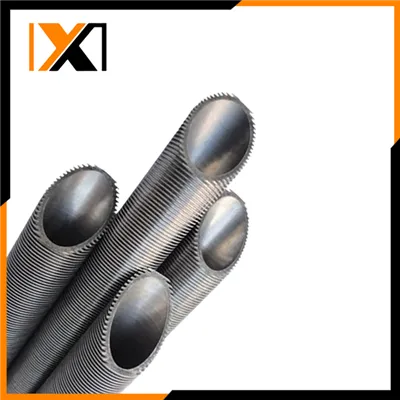
What is the effect of heat treatment on the properties of copper nickel tube?
Hey there! As a copper nickel tube supplier, I've seen firsthand how heat treatment can have a huge impact on the properties of these tubes. Copper nickel tubes are pretty cool because they've got this awesome blend of good corrosion resistance, high thermal conductivity, and decent strength. But when you start playing around with heat treatment, you can really tune these properties to fit specific needs. Let's dive into how that works.
First off, let's talk about what heat treatment actually is. It's basically a process where you heat up the copper nickel tube to a certain temperature and then cool it down at a specific rate. This can change the microstructure of the tube, which in turn affects its properties. There are a few different types of heat treatment, like annealing, hardening, and tempering.
Annealing
Annealing is one of the most common heat - treatment processes for copper nickel tubes. What you do is heat the tube to a relatively high temperature (usually in the range of 700 - 900°C, depending on the specific alloy composition) and then let it cool slowly. This slow cooling is super important.
When you anneal a copper nickel tube, it softens the material. The internal stresses that might've built up during the manufacturing process, like drawing or rolling, get relieved. This makes the tube more ductile, which means it can be bent, shaped, or formed more easily without cracking. For example, if you're using the tube for a complex piping system that requires a lot of bends, an annealed copper nickel tube will be much easier to work with.
Another benefit of annealing is that it can improve the tube's electrical conductivity. In some applications, like in electrical systems where copper nickel tubes are used for wiring or conducting heat and electricity, this is a big plus.
If you're interested in copper nickel tubes that might have gone through annealing, you can check out our Copper Nickel Pool Boiling Evaporator Tube. These tubes often require good ductility and conductivity for efficient heat transfer in evaporator applications.
Hardening
Hardening is the opposite of annealing in a way. Here, you heat the copper nickel tube to a high temperature and then cool it down really quickly, usually by quenching it in water or oil. This rapid cooling traps the atoms in a certain arrangement, creating a harder and stronger microstructure.
When a copper nickel tube is hardened, it becomes more wear - resistant. This is great for applications where the tube is going to be exposed to a lot of friction or abrasion. For instance, in some industrial machinery, the tubes might rub against other components, and a hardened copper nickel tube can withstand that wear better.
However, hardening also makes the tube more brittle. So, you've got to be careful when using hardened tubes in applications that require a lot of flexibility. If you try to bend a hardened tube too much, it's more likely to crack.
Our Copper Nickel Ordinary Low Fin Tube can sometimes benefit from hardening. The fins on these tubes can experience wear, and a hardened tube can maintain its shape and performance for longer.
Tempering
Tempering usually follows hardening. After hardening a copper nickel tube, it's often too brittle for practical use. So, you temper it by heating it to a lower temperature (usually between 200 - 600°C) and then cooling it down slowly.
Tempering reduces the brittleness of the hardened tube while still maintaining a good amount of its hardness. It gives the tube a better balance of strength and toughness. This is crucial in applications where the tube needs to withstand both impact and wear.
For example, in some marine applications, copper nickel tubes are exposed to the harsh salt - water environment as well as the mechanical stresses of waves and movement. A tempered copper nickel tube can handle these conditions better than a just - hardened or just - annealed tube.
You might want to consider our Copper Nickel Inner Grooved Tube if you need a tube with a good balance of properties. The inner grooves can increase the surface area for heat transfer, and a tempered tube can ensure that the grooves stay intact under different operating conditions.
Impact on Corrosion Resistance
Heat treatment also has an impact on the corrosion resistance of copper nickel tubes. Generally, a properly heat - treated tube can have better corrosion resistance.
When you anneal a copper nickel tube, it can form a more uniform oxide layer on the surface. This oxide layer acts as a barrier, protecting the tube from corrosion in various environments, whether it's a mildly acidic or a salty environment.
Hardening and tempering can also improve corrosion resistance by altering the microstructure in a way that makes it more difficult for corrosive agents to penetrate the tube. In marine applications, where copper nickel tubes are used extensively, good corrosion resistance is a must, and the right heat treatment can make a big difference.
Other Considerations
It's important to note that the exact effects of heat treatment can vary depending on the specific composition of the copper nickel alloy. Different percentages of copper, nickel, and other alloying elements can respond differently to heat treatment.
Also, the quality of the heat - treatment process matters a lot. If the temperature isn't controlled properly during heating or cooling, or if the timing is off, the desired properties might not be achieved.
Well, that's a rundown of how heat treatment affects the properties of copper nickel tubes. Whether you need a tube that's super ductile, ultra - hard, or has a good balance of strength and toughness, heat treatment can get you there.
If you're in the market for copper nickel tubes and want to discuss which type of heat - treated tube would be best for your application, feel free to reach out. We're here to help you find the perfect tube solution for your needs!


References
- Metals Handbook: Heat Treating, Volume 4. ASM International.
- "Corrosion Behavior of Copper - Nickel Alloys in Marine Environments" - Journal of Corrosion Science
- "The Influence of Heat Treatment on the Microstructure and Mechanical Properties of Copper - Nickel Alloys" - Materials Science and Engineering Journal