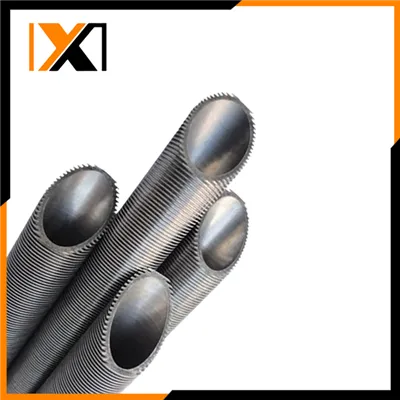
Hey there! I'm a supplier of copper nickel corrugated tubes, and I've been getting a lot of questions lately about how to ensure the safety of these tubes in food and beverage applications. So, I thought I'd write this blog post to share some insights and tips based on my experience in the industry.
First off, let's talk about why copper nickel corrugated tubes are a great choice for food and beverage applications. Copper nickel alloys are known for their excellent corrosion resistance, which is crucial when dealing with food and drinks. They can withstand a wide range of pH levels and temperatures, making them suitable for various processes in the food and beverage industry, such as brewing, dairy production, and soft drink manufacturing.
The corrugated design of these tubes also offers several advantages. It increases the surface area, which can enhance heat transfer efficiency. This is especially important in applications where heating or cooling is required, like pasteurization or refrigeration. Additionally, the corrugations can provide some flexibility, making the tubes easier to install and less prone to damage from vibrations.
Now, let's get into the nitty - gritty of ensuring the safety of these tubes in food and beverage applications.
Material Selection
The quality of the copper nickel alloy is the foundation of safety. You want to make sure that the alloy you use is free from harmful contaminants. When sourcing the raw materials, work with reputable suppliers who can provide certificates of compliance. These certificates should show that the alloy meets relevant food - grade standards, such as those set by the FDA (Food and Drug Administration) in the United States or the EU's food contact regulations.
For example, Nickel Condenser Tubes C70600 are a popular choice in many food and beverage applications. They have a good balance of corrosion resistance and mechanical properties, and when sourced from a reliable supplier, they can be trusted for food - grade use.
Manufacturing Process
The way the tubes are manufactured also plays a big role in their safety. During the manufacturing process, strict quality control measures should be in place. This includes proper cleaning and degreasing of the tubes to remove any dirt, oil, or other residues that could contaminate the food or beverage.
Welding, if used in the manufacturing process, needs to be done carefully. The welding materials should also be food - grade compatible. Any post - welding treatments, like heat treatment or pickling, should be carried out in a way that doesn't leave behind any harmful substances on the tube surface.
Installation
Proper installation is key to maintaining the safety of copper nickel corrugated tubes. The tubes should be installed in a clean environment to prevent any external contaminants from getting into the system. Make sure that the installation is done according to the manufacturer's guidelines.


For example, when connecting the tubes, use appropriate fittings that are also food - grade. Avoid using any adhesives or sealants that are not approved for food contact. The tubes should be properly supported to prevent sagging or excessive stress, which could lead to leaks or damage over time.
Cleaning and Maintenance
Regular cleaning and maintenance are essential for the long - term safety of the tubes. You should have a cleaning schedule in place. The cleaning agents used should be mild and food - grade approved. Harsh chemicals can damage the tube surface and potentially leach into the food or beverage.
Inspect the tubes regularly for any signs of wear, corrosion, or damage. If you notice any pitting on the tube surface, it could be a sign of corrosion. In such cases, you might want to consider Copper Nickel Pitted Surface Tube replacement or take appropriate measures to address the corrosion issue.
Monitoring
It's a good idea to set up a monitoring system to keep an eye on the performance and safety of the tubes. This could include monitoring the temperature, pressure, and flow rate in the system. Any sudden changes in these parameters could indicate a problem with the tubes, such as a blockage or a leak.
You can also periodically test the food or beverage for any signs of contamination from the tubes. This can be done through chemical analysis or microbiological testing.
Compatibility with Other Components
The copper nickel corrugated tubes need to be compatible with other components in the food and beverage system. For example, if there are pumps, valves, or sensors in the system, make sure that they are made of materials that won't react with the copper nickel alloy.
Some metals or plastics can cause galvanic corrosion when in contact with copper nickel. So, it's important to do a compatibility check before installing all the components together.
Another aspect to consider is the compatibility with the food or beverage itself. Some acidic or alkaline products might have a different effect on the tubes compared to neutral ones. You need to understand these interactions and take appropriate measures, such as adjusting the cleaning frequency or using protective coatings if necessary.
In addition to the standard copper nickel corrugated tubes, Copper Nickel Inner Grooved Tube can also be a great option in certain food and beverage applications. The inner grooves can further enhance heat transfer and fluid flow characteristics, but the same safety considerations apply.
If you're in the food and beverage industry and are looking for high - quality copper nickel corrugated tubes, don't hesitate to reach out. We can provide you with the right products and offer advice on ensuring their safety in your applications. Whether you need a small quantity for a pilot project or a large - scale supply for a full - fledged production line, we've got you covered.
In conclusion, ensuring the safety of copper nickel corrugated tubes in food and beverage applications requires attention to detail at every stage, from material selection to ongoing monitoring. By following these guidelines, you can have peace of mind knowing that your tubes are safe and reliable for use in your food and beverage processes.
References
- "Food Contact Materials: A Practical Guide" - A comprehensive guide on the regulations and best practices for materials used in contact with food.
- Industry standards and guidelines from organizations like the FDA and the EU for food - grade materials.
- Technical literature from copper nickel alloy manufacturers on the properties and applications of their products.