Do copper tubes need insulation?
As a copper tube supplier, I've encountered numerous inquiries from clients regarding the necessity of insulating copper tubes. This topic is not only crucial for understanding the functionality and longevity of copper tubes but also for optimizing their performance in various applications. In this blog, I'll delve into the factors that determine whether copper tubes need insulation and the benefits it can bring.
Understanding Copper Tubes
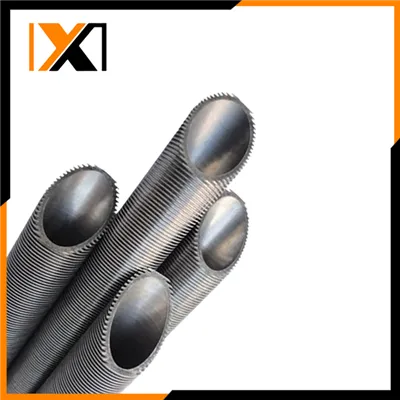
Copper tubes are widely used in a variety of industries due to their excellent thermal conductivity, corrosion resistance, and malleability. They are commonly found in plumbing systems, HVAC (heating, ventilation, and air conditioning) systems, refrigeration units, and industrial processes. For instance, our Copper Corrugated Tube C71500 is known for its flexibility and durability, making it suitable for applications where space is limited or vibration is a concern. The Copper Falling Film Evaporator Tube is specifically designed for efficient heat transfer in evaporator systems, while the Smooth Surface Copper Tube in Coil is ideal for general plumbing and refrigeration purposes.


Factors Influencing the Need for Insulation
-
Temperature Regulation
- In HVAC and refrigeration systems, copper tubes are often used to carry chilled or heated fluids. Without insulation, these tubes can lose or gain heat to the surrounding environment, leading to energy inefficiencies. For example, in a chilled water system, uninsulated copper tubes can absorb heat from the warm air in the room, causing the cooling system to work harder to maintain the desired temperature. This not only increases energy consumption but also reduces the overall efficiency of the system.
- On the other hand, in heating systems, insulated copper tubes can prevent heat loss, ensuring that the heated fluid reaches its destination at the desired temperature. This is particularly important in large - scale heating systems, where even a small amount of heat loss can result in significant energy waste.
-
Condensation Prevention
- When a cold copper tube is exposed to warm, humid air, condensation can form on its surface. This can lead to several problems, such as water damage to the surrounding structures, corrosion of the copper tube itself, and the growth of mold and mildew. Insulation acts as a barrier, preventing the cold surface of the tube from coming into direct contact with the warm, humid air, thus reducing the likelihood of condensation.
-
Noise Reduction
- In plumbing systems, the flow of water through copper tubes can create noise, especially in high - pressure or high - flow situations. Insulation can help dampen these noises, providing a quieter environment. This is particularly beneficial in residential and commercial buildings where noise pollution can be a nuisance.
-
Protection from Physical Damage
- Insulation can also provide a layer of protection for copper tubes against physical damage. It can act as a cushion, reducing the impact of minor bumps and scratches that could potentially compromise the integrity of the tube. In industrial settings, where copper tubes may be exposed to harsh environments or mechanical stresses, insulation can help extend the lifespan of the tubes.
Benefits of Insulating Copper Tubes
-
Energy Savings
- By reducing heat loss or gain, insulated copper tubes can significantly lower energy consumption. This translates into cost savings for the end - user, whether it's a homeowner or a large industrial facility. In addition, energy - efficient systems are more environmentally friendly, as they reduce the demand for fossil fuels and lower greenhouse gas emissions.
-
Extended Lifespan
- Insulation protects copper tubes from corrosion, condensation, and physical damage, all of which can shorten the lifespan of the tubes. By insulating the tubes, the need for frequent replacements is reduced, saving both time and money in the long run.
-
Improved System Performance
- Insulated copper tubes ensure that the temperature of the fluid being transported remains stable, which is crucial for the proper functioning of HVAC, refrigeration, and plumbing systems. This leads to better overall system performance, fewer breakdowns, and increased customer satisfaction.
When Insulation May Not Be Necessary
- Low - Temperature or Low - Humidity Environments
- In environments where the temperature is relatively stable and the humidity is low, the risk of condensation and significant heat transfer is minimal. In such cases, insulation may not be strictly necessary, although it can still provide some benefits in terms of noise reduction and physical protection.
- Short - Duration or Temporary Installations
- For short - term projects or temporary installations, the cost of insulation may outweigh the benefits. However, it's important to note that even in these cases, proper consideration should be given to the potential risks, such as condensation and heat transfer.
Conclusion
In conclusion, whether copper tubes need insulation depends on a variety of factors, including the application, the environment in which they are installed, and the desired performance of the system. In most cases, especially in HVAC, refrigeration, and plumbing systems, insulation offers significant benefits in terms of energy savings, condensation prevention, noise reduction, and protection from physical damage.
As a copper tube supplier, I recommend that customers carefully evaluate their specific needs and consult with a professional if they are unsure whether insulation is necessary. Our company offers a wide range of high - quality copper tubes, and we can also provide guidance on the appropriate insulation materials and installation methods. If you are interested in purchasing copper tubes or have any questions about their insulation requirements, please feel free to contact us for a detailed discussion and a customized solution.
References
- ASHRAE Handbook - HVAC Systems and Equipment. American Society of Heating, Refrigerating and Air - Conditioning Engineers.
- National Plumbing Code. [National organization responsible for plumbing code development].
- Copper Development Association Technical Guides. Copper Development Association.