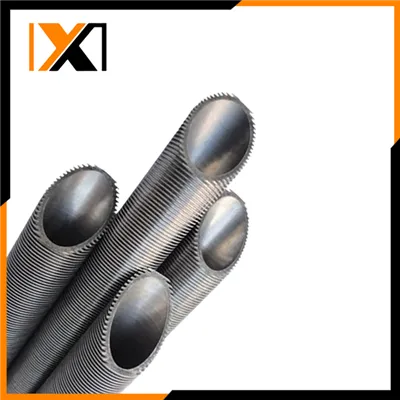
Hey there! As a supplier of copper hemp tubes, I often get asked this question: Can a copper hemp tube be used outdoors? Well, let's dig into this topic!
First off, let's talk about what a copper hemp tube is. Copper hemp tubes, as you can learn more about here, are made from high - quality copper. Copper itself has a lot of great properties that make it suitable for outdoor use in many cases.


One of the most important things when considering outdoor use is the tube's resistance to corrosion. Copper is naturally resistant to oxidation and corrosion. When copper is exposed to air, it forms a thin layer of copper oxide on its surface. This layer acts as a barrier, protecting the underlying copper from further corrosion. This is super important outdoors because the tube is constantly exposed to the elements like rain, snow, and humidity. In fact, copper is being used in many outdoor applications precisely because of its great corrosion - resistant nature, such as in the construction of buildings for plumbing systems and roofing materials.
Another aspect to consider is the tube's strength and durability. Outdoor environments can be tough on materials. There might be strong winds, or it could get hit by objects. Copper hemp tubes are relatively strong. They can withstand a certain amount of pressure and mechanical stress. Unlike some plastic tubes that might become brittle or flexible under extreme temperatures, copper maintains its structural integrity within a wide range of temperatures. Whether it's in a hot, sunny climate or a cold winter, copper hemp tubes are less likely to crack or deform.
Now, let's discuss the flexibility of copper hemp tubes. Flexibility is a huge plus when it comes to outdoor installations. You might need to bend the tube around corners or fit it into different spaces. Copper hemp tubes can easily be bent without breaking, which makes the installation process a whole lot easier. This is especially useful for outdoor plumbing or irrigation systems, where pipes need to be routed around trees, through fences, or along the contours of the land.
But of course, no material is perfect. Copper can react with certain substances in an outdoor environment. For example, if the soil in an area has a high concentration of sulfur or acid, it could potentially cause a bit more corrosion on the tube. In such cases, some extra protection might be needed. You could coat the tube or use insulation to prevent direct contact between the copper and the reactive substances.
In terms of cost, copper hemp tubes might be a bit pricier compared to some other metal or plastic tubes. However, considering their long - term durability and performance, it's actually a good investment, especially for outdoor use. You won't have to replace them as often as you might have to with other materials, which can save you money in the long run.
Let's compare copper hemp tubes with some other types of copper tubes available on the market. We have Copper Corrugated Tube and Copper Ordinary Low Fin Tube.
Copper corrugated tubes are designed to be more flexible in a different way. Their corrugated structure allows them to be stretched and bent to a greater extent than the normal tubes. While they're great for certain applications, like in some compact plumbing setups where a lot of bending is needed, for large - scale outdoor installations, copper hemp tubes might be a better choice because of their overall strength and the ability to handle more pressure.
Copper ordinary low fin tubes are mainly used for heat transfer applications. They have a special fin design that increases the surface area for better heat exchange. But when it comes to general outdoor plumbing or structural support, copper hemp tubes are more suitable as they are more simple and straightforward, with a structure that can handle the common stress factors in an outdoor setting.
One thing to keep in mind is the maintenance of copper hemp tubes outdoors. A little bit of regular maintenance can go a long way. You should periodically check the tube for any signs of damage, such as small holes or cracks. If you notice any issues early on, it can be repaired easily. And if you live in an area with high pollution or harsh weather conditions, you might want to clean the tubes more often to keep them in good condition.
Overall, yes, a copper hemp tube can definitely be used outdoors. Its excellent corrosion resistance, strength, flexibility, and durability make it a suitable choice for a wide range of outdoor applications, from plumbing to irrigation systems.
If you're looking to use copper hemp tubes for your outdoor projects, we're here to help! Leave us a message to start a purchase negotiation, and we'll work together to find the best solution for your needs.
References
- Chilton, Max. Handbook of Copper Alloy Performance. 2nd Edition. Metal Publishing Inc., 2020.
- Dalton, Sarah. Outdoor Materials: A Practical Guide. Green Leaf Publishers, 2018.
- Thompson, Jake. Plumbing and Irrigation Systems: Materials and Installation. Blue Sky Books, 2019.