In the realm of industrial materials, the issue of recyclability has gained significant traction in recent years. As a supplier of titanium ordinary low fin tubes, I often find myself addressing the question: Can titanium ordinary low fin tubes be recycled? In this blog post, I will delve into this topic and explore the possibilities and challenges of recycling these tubes.

The Basics of Titanium Ordinary Low Fin Tubes
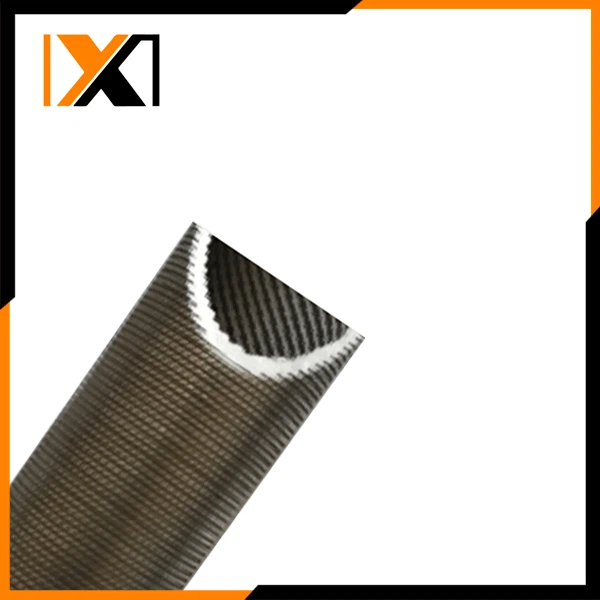
Before we discuss recyclability, let's first understand what titanium ordinary low fin tubes are. These tubes are made of titanium, a metal known for its exceptional corrosion resistance, high strength - to - weight ratio, and biocompatibility. The "low fin" feature refers to the relatively small fins on the outer surface of the tube, which enhance heat transfer efficiency. Titanium ordinary low fin tubes are widely used in various industries such as chemical processing, power generation, and desalination, where efficient heat exchange is crucial.
Why Recycling is Important
Recycling is an essential part of sustainable development. It helps in conserving natural resources, reducing energy consumption, and minimizing waste generation. In the case of titanium, mining and refining it are energy - intensive processes. Titanium ore extraction involves several complex steps, including beneficiation, smelting, and refining, which require large amounts of heat and electricity. By recycling titanium ordinary low fin tubes, we can reduce the need for new titanium production, leading to less energy consumption and environmental impact.
Recycling Process of Titanium
The recycling of titanium generally involves several key steps. First, the collected titanium materials, including ordinary low fin tubes, need to be sorted. This is crucial because different titanium alloys and contaminated titanium products need separate treatment. The tubes are then cleaned to remove any impurities such as oil, dirt, or other coatings. Cleaning methods can vary from simple mechanical scrubbing to chemical cleaning processes.
After cleaning, the titanium is melted in a high - temperature furnace. Titanium has a very high melting point (about 1668 °C), which means that special furnaces are required for this process. During melting, the quality of the recycled titanium is also carefully monitored to ensure that it meets the required standards for its intended applications.
Once the titanium is melted, it can be cast into new shapes, including titanium ordinary low fin tubes or other useful products. For instance, it can be used in the production of high - performance components like Titanium High Performance Evaporating Tube, Titanium Inner Grooved Tube, and Titanium Corrugated Tube.
Challenges in Recycling Titanium Ordinary Low Fin Tubes
However, recycling titanium ordinary low fin tubes is not without challenges. One of the main issues is the collection and logistics. These tubes are widely distributed in various industries, making it difficult to collect them efficiently. Additionally, some tubes may be contaminated with other substances during their use, such as chemicals in chemical processing plants. This contamination can make the recycling process more complicated and costly.
Another challenge is the high cost of the recycling equipment. As mentioned earlier, melting titanium requires high - temperature furnaces and specialized equipment, which are expensive to purchase and maintain. Moreover, ensuring the quality of recycled titanium is also a significant challenge. The presence of impurities or the change in the alloy composition during the recycling process can affect the performance of the recycled titanium products.
Current Status of Titanium Recycling
Despite the challenges, the recycling of titanium is becoming more and more popular. Many countries and industries are increasingly recognizing the importance of titanium recycling. In some advanced recycling facilities, they have developed more efficient recycling technologies that can handle a large amount of titanium materials while maintaining high - quality standards.
Moreover, with the development of the circular economy concept, more companies in the titanium industry are starting to establish their own recycling systems. As a supplier of titanium ordinary low fin tubes, I am committed to promoting the recycling of our products. We work closely with recycling partners to ensure that the end - of - life tubes are properly collected and recycled, and we also provide technical support to improve the recycling efficiency.
The Future of Recycling Titanium Ordinary Low Fin Tubes
Looking ahead, the future of recycling titanium ordinary low fin tubes seems promising. With continuous technological advancements, we can expect more efficient and cost - effective recycling methods in the coming years. For example, new smelting technologies may reduce the energy consumption during the melting process, and advanced sorting and cleaning technologies can help better handle contaminated tubes.
In addition, as environmental awareness continues to grow, more industries will demand recycled titanium products, which will further drive the development of the titanium recycling market. This will also create a more sustainable supply chain for the titanium industry, where raw materials are reused and recycled instead of being continuously extracted from the earth.
Conclusion and Invitation to Purchase
In conclusion, titanium ordinary low fin tubes can indeed be recycled. Although there are challenges in the recycling process, the benefits in terms of resource conservation, energy saving, and environmental protection are significant. At our company, we not only provide high - quality titanium ordinary low fin tubes but also support the recycling of our products.
If you are in need of titanium ordinary low fin tubes for your projects, we invite you to contact us for more information and to discuss potential purchases. We have a team of experts who can offer you professional advice on product selection and application. Whether you are in the chemical, power, or other related industries, we are confident that our products can meet your needs. Let's build a more sustainable future together through the use of high - quality and recyclable titanium products.
References
- "Titanium: Technology, Applications, and Environmental Impacts" - A comprehensive research on titanium including its properties, production, and recycling.
- Industry reports on the current status and trends of the titanium recycling market.
- Technical papers on the latest recycling technologies for titanium materials.