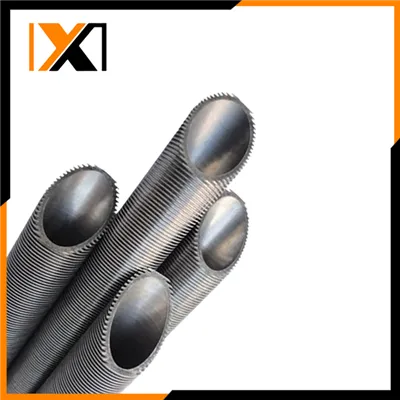
Hey there! I'm a supplier of titanium ordinary low fin tubes, and today I wanna chat about the temperature range these tubes need to work properly.
Understanding Titanium Ordinary Low Fin Tubes
First off, let's quickly understand what titanium ordinary low fin tubes are. They're kind of a big deal in heat transfer applications. These tubes have a unique design with low fins on the outside, which significantly increase the surface area available for heat exchange. Titanium, as a material, is awesome because it's super corrosion - resistant, strong, and lightweight. That's why these tubes are used in all sorts of industries like chemical processing, power generation, and seawater desalination.
The Ideal Temperature Range
So, what's the sweet spot for the temperature range where titanium ordinary low fin tubes work best? Well, in general, these tubes can operate within a pretty wide temperature range, from cryogenic temperatures up to about 300°C (around 572°F).
Low Temperature Performance
At the lower end of the spectrum, titanium ordinary low fin tubes can handle extremely cold temps. They're often used in cryogenic applications where the temperature can drop way below freezing. For example, in some large - scale liquefaction plants, where gases like nitrogen and oxygen are cooled down to their liquid states, these tubes play a crucial role.
The reason titanium performs well at low temperatures is its unique crystal structure. Titanium has a hexagonal close - packed (HCP) crystal structure at room temperature, and this structure remains relatively stable even as the temperature drops. This stability allows the tube to maintain its mechanical properties, like strength and ductility, without becoming brittle.
High Temperature Performance
On the high - end, up to about 300°C, these tubes still function great. In many heat exchangers used in industrial processes, the working fluid can reach these temperatures. For instance, in some chemical reactors, the heat generated during the chemical reactions needs to be transferred away efficiently, and titanium ordinary low fin tubes are up for the job.
However, as the temperature approaches 300°C, there are a few things to keep in mind. Titanium starts to react with oxygen in the air at elevated temperatures. This forms a thin oxide layer on the surface of the tube. While this oxide layer can actually provide some protection against further oxidation, it can also affect the heat transfer efficiency to some extent. So, in high - temperature applications, proper ventilation and control of the surrounding atmosphere might be necessary.
Factors Affecting Temperature Range
It's not just the base temperature that matters. There are a few other factors that can influence the effective working temperature range of titanium ordinary low fin tubes.
Chemical Environment
The chemical composition of the fluid flowing inside and outside the tube can have a big impact. In a highly corrosive environment, even within the normal temperature range, the tube might experience accelerated corrosion. For example, if there are high levels of chloride ions in seawater, which is a common application for these tubes, the corrosion rate can increase, especially at higher temperatures.
Pressure
The pressure inside and outside the tube also plays a role. Higher pressures can put more stress on the tube material. At elevated temperatures, the combination of high pressure and temperature can cause the tube to deform or fail more easily. So, when designing a system with these tubes, engineers need to consider both pressure and temperature together.
Comparing with Other Titanium Tubes
If you're wondering how titanium ordinary low fin tubes stack up against other types of titanium tubes, let's take a quick look. There are some really cool options like the Titanium High Performance Condensing Tube 1. This tube is designed specifically for high - efficiency condensing applications. It might have a different temperature range and performance characteristics based on its design and intended use.
Another option is the Titanium Corrugated Tube Gr2. The corrugated design can enhance heat transfer in a different way compared to the low - fin design. And then there's the Titanium Pipe Seamless Tube With Titanium Tube Price, which is often used in applications where a seamless structure is required.
Each of these tubes has its own sweet spot in terms of temperature range and application, but titanium ordinary low fin tubes offer a great balance between heat transfer efficiency and cost - effectiveness in a lot of common scenarios.
Why Choose Our Titanium Ordinary Low Fin Tubes?
We take pride in supplying high - quality titanium ordinary low fin tubes. Our tubes are made from the best grade of titanium, which ensures excellent performance within the specified temperature range. We've got strict quality control measures in place to make sure each tube meets the highest standards.
Our team of experts is always ready to help you figure out if our tubes are the right fit for your specific application. Whether you're working on a small - scale project or a large industrial installation, we can provide the right advice and support.
Contact Us for Procurement
If you're in the market for titanium ordinary low fin tubes, or you just have more questions about the temperature range or other aspects of these tubes, don't hesitate to reach out. We're here to help you make the best decision for your project.
Get in touch with us to start a procurement discussion. We're confident that our tubes will meet your needs and exceed your expectations in terms of performance and reliability.


References
- "Titanium: Properties, Processing, and Applications" by John C. Williams
- "Heat Transfer Handbook" by Frank Kreith
- Industry reports on titanium tube applications in various sectors