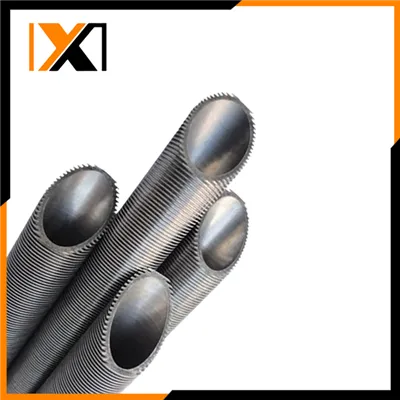
As a dedicated supplier of titanium corrugated tubes, I've had numerous conversations with clients who are curious about the pressure resistance of these remarkable components. Understanding the pressure resistance of titanium corrugated tubes is crucial for a wide range of applications, from chemical processing to heat exchange systems. In this blog, I'll delve into the factors that influence the pressure resistance of titanium corrugated tubes and why they are a top choice for high - pressure environments.
Understanding Titanium as a Material
Titanium is a metal known for its exceptional strength - to - weight ratio, corrosion resistance, and biocompatibility. These properties make it an ideal material for applications where durability and performance under harsh conditions are required. When it comes to pressure resistance, titanium's inherent strength plays a significant role.
Titanium has a high tensile strength, which means it can withstand a large amount of stress before deforming or breaking. This strength is due to its atomic structure, which allows it to resist the forces applied during high - pressure situations. Additionally, titanium has good ductility, which means it can deform slightly under pressure without fracturing, providing an extra margin of safety in high - pressure applications.
The Impact of Corrugation on Pressure Resistance
The corrugation of titanium tubes is not just an aesthetic feature; it has a profound impact on the tube's pressure resistance. The corrugated design provides several advantages:
Structural Reinforcement
The corrugations act as ribs along the length of the tube, increasing its stiffness and resistance to bending. When pressure is applied to the tube, these corrugations distribute the force more evenly across the surface of the tube, reducing the stress concentration at any single point. This even distribution of stress allows the tube to withstand higher pressures without failure.
Flexibility and Expansion
Corrugated tubes have a certain degree of flexibility, which is beneficial in high - pressure applications. When the pressure inside the tube increases, the corrugations can expand slightly, absorbing some of the pressure and preventing the tube from bursting. This flexibility also helps to accommodate thermal expansion and contraction, which can occur in systems where temperature variations are common.
Factors Affecting the Pressure Resistance of Titanium Corrugated Tubes
Wall Thickness
The wall thickness of the titanium corrugated tube is a critical factor in determining its pressure resistance. A thicker wall can withstand higher pressures because it has more material to resist the forces applied by the internal pressure. However, increasing the wall thickness also increases the weight and cost of the tube, so a balance must be struck between pressure resistance and other design considerations.
Corrugation Geometry
The shape, size, and pitch of the corrugations also affect the pressure resistance of the tube. Different corrugation geometries can provide different levels of stiffness and flexibility. For example, a tube with deep, closely spaced corrugations may have higher stiffness and better pressure resistance than a tube with shallow, widely spaced corrugations.
Titanium Grade
There are different grades of titanium, each with its own set of mechanical properties. Higher - grade titanium alloys typically have better strength and corrosion resistance, which can translate into higher pressure resistance. When selecting a titanium corrugated tube, it's important to choose the appropriate grade based on the specific requirements of the application.
Applications Requiring High Pressure Resistance
Titanium corrugated tubes are used in a variety of applications where high pressure resistance is essential:
Chemical Processing
In chemical processing plants, titanium corrugated tubes are often used to transport corrosive chemicals at high pressures. The corrosion resistance of titanium ensures that the tubes can withstand the harsh chemical environment, while their high pressure resistance allows them to handle the high - pressure flow of the chemicals.
Heat Exchange Systems
Heat exchangers are another common application for titanium corrugated tubes. In these systems, the tubes are used to transfer heat between two fluids at different temperatures. The high pressure resistance of the tubes is necessary to maintain the integrity of the system and ensure efficient heat transfer, especially in applications where the fluids are under high pressure.
Oil and Gas Industry
In the oil and gas industry, titanium corrugated tubes are used in downhole applications, where they are exposed to high pressures and corrosive fluids. The pressure resistance of these tubes is crucial for ensuring the safety and reliability of the oil and gas extraction process.
Comparing with Other Types of Titanium Tubes
It's worth comparing titanium corrugated tubes with other types of titanium tubes, such as Titanium Pool Boiling Evaporator Tube, Tianium Ordinary Low Fin Tube, and Sommth Titanium Tube.
Titanium pool boiling evaporator tubes are designed for efficient heat transfer in boiling applications. While they may have good heat transfer properties, their pressure resistance may not be as high as that of corrugated tubes, especially in high - pressure systems. Tianium ordinary low fin tubes are used to increase the surface area for heat transfer, but their pressure resistance is also influenced by the fin design and may be different from that of corrugated tubes. Smooth titanium tubes, on the other hand, have a simple design and may have lower pressure resistance compared to corrugated tubes due to the lack of structural reinforcement provided by corrugations.
Testing and Certification
To ensure the pressure resistance of titanium corrugated tubes, rigorous testing is carried out during the manufacturing process. These tests typically include hydrostatic testing, where the tube is filled with a liquid and pressurized to a specified level to check for leaks or deformation. Additionally, non - destructive testing methods, such as ultrasonic testing and X - ray inspection, may be used to detect any internal defects that could affect the tube's pressure resistance.
Many titanium corrugated tubes also come with certifications from recognized standards organizations, such as ASTM (American Society for Testing and Materials) or ASME (American Society of Mechanical Engineers). These certifications provide assurance that the tubes meet the required standards for pressure resistance and other mechanical properties.
Why Choose Our Titanium Corrugated Tubes
As a supplier of titanium corrugated tubes, we take pride in offering high - quality products that meet the most demanding requirements. Our tubes are manufactured using the latest technology and strict quality control measures to ensure consistent pressure resistance and performance.
We have a team of experienced engineers who can help you select the right titanium corrugated tube for your specific application. Whether you need a tube with high pressure resistance for a chemical processing plant or a tube with good heat transfer properties for a heat exchanger, we can provide customized solutions to meet your needs.


Contact Us for Procurement and Negotiation
If you're interested in purchasing titanium corrugated tubes for your project, we invite you to contact us. Our sales team is ready to discuss your requirements in detail and provide you with a competitive quote. We believe in building long - term relationships with our customers based on trust and quality, and we're confident that our titanium corrugated tubes will exceed your expectations.
References
- ASM Handbook, Volume 2: Properties and Selection: Nonferrous Alloys and Special - Purpose Materials. ASM International.
- Titanium: A Technical Guide, Second Edition. John R. Davis (Editor). ASM International.
- Pressure Vessel Design Manual. Dennis Moss. Wiley - Interscience.