As a supplier of Tianium Ordinary Low Fin Tube, I've witnessed firsthand the significance of fluid purity in maintaining the quality and performance of our products. In this blog, I'll delve into the impact of impurities in the fluid on Tianium Ordinary Low Fin Tube, exploring the various ways these contaminants can affect the tube's functionality, durability, and overall efficiency.
Understanding Tianium Ordinary Low Fin Tube
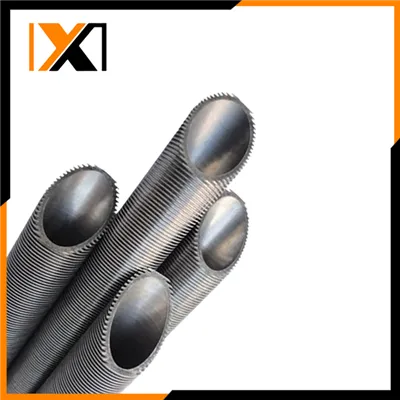
Before we discuss the impact of impurities, let's briefly understand what Tianium Ordinary Low Fin Tube is. Tianium Ordinary Low Fin Tube is a specialized type of heat transfer tube made from titanium. It features low fins on the outer surface, which significantly increase the surface area available for heat transfer. This design enhances the tube's heat transfer efficiency, making it ideal for a wide range of applications, including refrigeration, air conditioning, and industrial heat exchangers.
Types of Impurities in Fluids
Fluids used in heat transfer systems can contain various types of impurities, which can be broadly categorized into the following groups:


- Particulate Matter: This includes dirt, sand, rust, and other solid particles that can enter the fluid through the environment, equipment wear, or corrosion.
- Chemical Impurities: These are substances such as acids, alkalis, salts, and heavy metals that can dissolve in the fluid and react with the tube material.
- Biological Impurities: Bacteria, fungi, and algae can grow in the fluid, especially in warm and humid conditions. These microorganisms can produce biofilms on the tube surface, which can impede heat transfer and cause corrosion.
Impact of Impurities on Tianium Ordinary Low Fin Tube
1. Reduced Heat Transfer Efficiency
One of the primary functions of Tianium Ordinary Low Fin Tube is to transfer heat efficiently between the fluid and the surrounding environment. However, impurities in the fluid can form a layer of fouling on the tube surface, which acts as an insulating barrier and reduces the rate of heat transfer. Particulate matter can accumulate on the fins, blocking the flow of fluid and reducing the contact area between the fluid and the tube. Chemical impurities can react with the tube material, forming a scale or corrosion layer that further impedes heat transfer. Biological impurities can produce biofilms that are highly resistant to heat transfer and can also cause localized corrosion.
2. Corrosion and Erosion
Titanium is known for its excellent corrosion resistance, but certain impurities in the fluid can still cause corrosion and erosion of the tube material. Chemical impurities such as acids and alkalis can react with the titanium surface, causing it to dissolve or form a corrosion product. Heavy metals can also catalyze corrosion reactions and accelerate the degradation of the tube. Particulate matter can cause erosion of the tube surface as it flows through the tube at high velocities, wearing away the material and reducing the wall thickness of the tube.
3. Clogging and Blockage
Particulate matter and biological impurities can accumulate in the tube, causing clogging and blockage of the flow passages. This can lead to reduced flow rates, increased pressure drop, and ultimately, system failure. Clogging can also cause uneven distribution of fluid in the tube, leading to hot spots and reduced heat transfer efficiency.
4. Increased Maintenance and Operating Costs
The presence of impurities in the fluid can significantly increase the maintenance and operating costs of the heat transfer system. Fouling and corrosion can require frequent cleaning and replacement of the tubes, which can be time-consuming and expensive. Clogging and blockage can also lead to increased energy consumption and downtime, as the system may need to be shut down for repairs.
Preventive Measures
To minimize the impact of impurities on Tianium Ordinary Low Fin Tube, it is essential to implement effective preventive measures. These include:
- Filtration: Installing filters in the fluid system can remove particulate matter and prevent it from entering the tube. Different types of filters, such as mechanical filters, cartridge filters, and membrane filters, can be used depending on the size and type of particles to be removed.
- Water Treatment: Treating the fluid with chemicals can help to control the pH, hardness, and other chemical properties of the water, reducing the risk of corrosion and scale formation. Water treatment can also include the addition of biocides to prevent the growth of biological impurities.
- Regular Maintenance: Regular inspection, cleaning, and maintenance of the heat transfer system can help to detect and remove any impurities before they cause significant damage. This can include flushing the system, cleaning the tubes, and replacing any damaged components.
Conclusion
In conclusion, impurities in the fluid can have a significant impact on the performance and durability of Tianium Ordinary Low Fin Tube. Reduced heat transfer efficiency, corrosion, erosion, clogging, and increased maintenance costs are some of the common problems associated with fluid impurities. However, by implementing effective preventive measures such as filtration, water treatment, and regular maintenance, these problems can be minimized, ensuring the long-term performance and reliability of the heat transfer system.
If you're interested in learning more about our Tianium Ordinary Low Fin Tube or other related products such as Titanium High Performance Evaporating Tube and Titanium Corrugated Tube, please feel free to contact us for a detailed discussion and procurement negotiation. We're committed to providing high-quality products and excellent customer service to meet your specific needs.
References
- Incropera, F. P., & DeWitt, D. P. (2002). Fundamentals of Heat and Mass Transfer. John Wiley & Sons.
- Tuthill, R. S. (1998). Heat Exchanger Fouling and Cleaning: Fundamentals and Applications. Begell House Inc.
- Schrauzer, G. N. (2001). Titanium in medicine. Journal of Materials Science: Materials in Medicine, 12(1), 63-72.