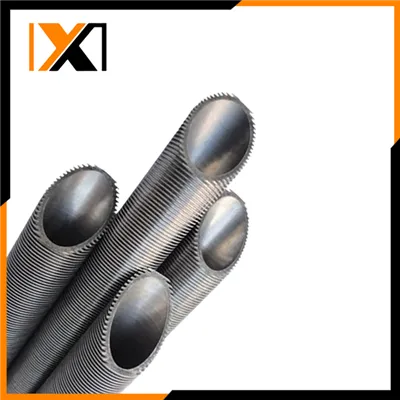
Titanium corrugated tubes have gained significant attention in various industries due to their unique properties and wide range of applications. As a trusted supplier of titanium corrugated tubes, I am often asked about the hardness of these remarkable products. In this blog post, I will delve into the concept of hardness in titanium corrugated tubes, exploring its significance, measurement methods, and factors that influence it.
Understanding Hardness in Titanium Corrugated Tubes
Hardness is a fundamental material property that refers to a material's resistance to localized deformation, such as indentation, scratching, or abrasion. In the context of titanium corrugated tubes, hardness plays a crucial role in determining their performance and durability in different applications. A harder tube is generally more resistant to wear, corrosion, and mechanical damage, making it suitable for demanding environments.
Measurement of Hardness
There are several methods available for measuring the hardness of titanium corrugated tubes. The most commonly used methods include the Brinell hardness test, Rockwell hardness test, and Vickers hardness test.
- Brinell Hardness Test: This test involves pressing a hard steel or carbide ball of a specified diameter into the surface of the tube under a known load for a specific period. The diameter of the resulting indentation is measured, and the Brinell hardness number (BHN) is calculated based on the load and the surface area of the indentation.
- Rockwell Hardness Test: The Rockwell test uses a diamond cone or a hardened steel ball indenter to make an indentation in the tube surface. The depth of the indentation is measured, and the Rockwell hardness number is determined based on the difference in depth before and after the application of the load.
- Vickers Hardness Test: Similar to the Brinell test, the Vickers test uses a square-based pyramid indenter to make an indentation in the tube surface. The diagonal length of the indentation is measured, and the Vickers hardness number (HV) is calculated based on the load and the surface area of the indentation.
Each of these methods has its advantages and limitations, and the choice of method depends on factors such as the size and shape of the tube, the required accuracy of the measurement, and the available testing equipment.
Factors Affecting the Hardness of Titanium Corrugated Tubes
The hardness of titanium corrugated tubes is influenced by several factors, including the alloy composition, heat treatment, and manufacturing process.
- Alloy Composition: Titanium is often alloyed with other elements such as aluminum, vanadium, and molybdenum to enhance its mechanical properties, including hardness. Different alloy compositions can result in varying levels of hardness, with some alloys being harder than pure titanium. For example, titanium alloy Gr2 is a widely used alloy in the production of titanium corrugated tubes, known for its good combination of strength, corrosion resistance, and moderate hardness. You can learn more about Titanium Corrugated Tube Gr2.
- Heat Treatment: Heat treatment is a crucial process in the manufacturing of titanium corrugated tubes that can significantly affect their hardness. By subjecting the tubes to specific heating and cooling cycles, the microstructure of the titanium can be altered, resulting in changes in hardness. For example, annealing can be used to reduce the hardness and improve the ductility of the tubes, while quenching and tempering can increase the hardness and strength.
- Manufacturing Process: The manufacturing process of titanium corrugated tubes can also have an impact on their hardness. Processes such as cold working, which involves deforming the tube at room temperature, can increase the hardness of the material due to strain hardening. On the other hand, hot forming processes, where the tube is shaped at elevated temperatures, may result in a lower hardness compared to cold worked tubes.
Significance of Hardness in Different Applications
The hardness of titanium corrugated tubes is of great importance in various applications across different industries.
- Heat Exchangers: In heat exchanger applications, titanium corrugated tubes are used to transfer heat between two fluids. The hardness of the tubes is crucial to ensure their resistance to erosion and corrosion caused by the flowing fluids. A harder tube can withstand the abrasive forces and chemical reactions, resulting in a longer service life and improved heat transfer efficiency. For instance, Titanium High Performance Evaporating Tube is designed to provide excellent heat transfer performance in evaporator applications, and its hardness contributes to its durability in such harsh environments.
- Chemical Processing: In the chemical processing industry, titanium corrugated tubes are often used in corrosive environments where they are exposed to various chemicals. The hardness of the tubes helps to resist the corrosive effects of these chemicals, preventing pitting, crevice corrosion, and stress corrosion cracking. This ensures the integrity of the tubes and the safety of the chemical processing equipment.
- Marine Applications: Titanium corrugated tubes are also widely used in marine applications, such as seawater desalination plants and shipboard cooling systems. The hardness of the tubes is essential to withstand the harsh marine environment, including the corrosive effects of saltwater and the mechanical forces exerted by waves and currents. Titanium Pool Boiling Evaporator Tube is an example of a product used in marine evaporator systems, where its hardness contributes to its long-term performance in seawater.
Ensuring the Right Hardness for Your Application
As a supplier of titanium corrugated tubes, we understand the importance of providing tubes with the appropriate hardness for your specific application. Our team of experts can work closely with you to understand your requirements and recommend the most suitable alloy composition, heat treatment, and manufacturing process to achieve the desired hardness.
We use advanced testing equipment and quality control measures to ensure that our titanium corrugated tubes meet the highest standards of hardness and other mechanical properties. Each tube undergoes rigorous testing to verify its hardness and ensure its compliance with industry specifications and customer requirements.
Contact Us for Your Titanium Corrugated Tube Needs
If you are in the market for high-quality titanium corrugated tubes, we invite you to contact us for a detailed discussion about your requirements. Our experienced sales team is ready to assist you in selecting the right tubes for your application and providing you with competitive pricing and excellent customer service. Whether you need tubes for heat exchangers, chemical processing, marine applications, or any other industry, we have the expertise and resources to meet your needs.


References
- ASM Handbook, Volume 1: Properties and Selection: Irons, Steels, and High-Performance Alloys.
- Titanium: A Technical Guide, Second Edition by John C. Williams.
- Corrosion Resistance of Titanium by George L. Powell.