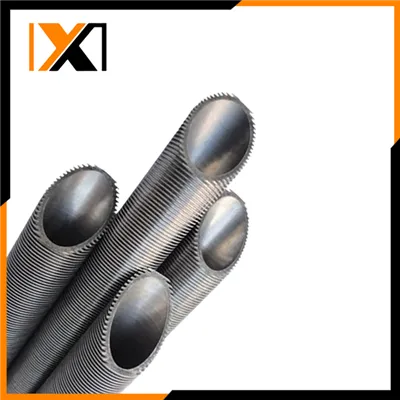
Fracture toughness is a super important property when it comes to materials, and today, I wanna chat about the fracture toughness of titanium tubes. As a titanium tube supplier, I've seen firsthand how crucial this property is for various applications.
First off, let's break down what fracture toughness actually means. Fracture toughness is a measure of a material's ability to resist the propagation of cracks. In simpler terms, it tells us how well a material can handle the presence of a crack without that crack growing and causing the material to break apart completely. For titanium tubes, this property is vital because they're used in a bunch of high - stress and critical applications.

Titanium is a pretty amazing metal. It's known for its high strength - to - weight ratio, excellent corrosion resistance, and good biocompatibility. But when it comes to fracture toughness, several factors can influence it.
One major factor is the alloy composition. Titanium comes in different alloys, each with its own unique set of properties. For example, some alloys are designed to have high strength, while others are optimized for better corrosion resistance. These different alloying elements can have a big impact on the fracture toughness. Alloys with certain elements might enhance the material's ability to stop crack growth, while others could potentially reduce it.
The manufacturing process also plays a huge role. How the titanium tubes are made, whether it's through extrusion, rolling, or some other method, can affect the internal structure of the material. A well - controlled manufacturing process can result in a more uniform grain structure, which generally leads to better fracture toughness. On the other hand, if there are defects or inconsistencies in the manufacturing process, like porosity or uneven grain size, it can significantly reduce the material's ability to resist crack propagation.
Heat treatment is another key aspect. By subjecting the titanium tubes to specific heat treatment processes, we can modify their microstructure. This can either increase or decrease the fracture toughness, depending on how the heat treatment is carried out. For instance, a proper heat treatment can refine the grain size, which in turn can improve the material's toughness.
Now, let's talk about why fracture toughness matters in real - world applications. In the aerospace industry, titanium tubes are used in aircraft engines and structural components. These components are subjected to extreme stress, vibrations, and temperature changes. A high fracture toughness is essential here because any crack that forms could potentially lead to a catastrophic failure. If a titanium tube in an engine were to break due to low fracture toughness, it could have disastrous consequences for the entire flight.
In the medical field, titanium tubes are used in implants. The human body is a complex environment, and implants need to be able to withstand the mechanical stresses of daily activities. A high fracture toughness ensures that the implant can last for a long time without breaking, reducing the need for repeated surgeries.
In the chemical industry, titanium tubes are used in heat exchangers and other equipment. These tubes are often exposed to corrosive chemicals. Even though titanium is known for its corrosion resistance, cracks can still form over time. A good fracture toughness helps the tubes resist the growth of these cracks, ensuring the long - term reliability of the equipment.
As a titanium tube supplier, we offer a wide range of products with different fracture toughness characteristics to meet the diverse needs of our customers. For example, our Titanium Inner Grooved Tube is designed for specific heat transfer applications. The inner grooves not only enhance the heat transfer efficiency but also contribute to the overall mechanical performance of the tube. The manufacturing process is carefully controlled to ensure a high level of fracture toughness, making it suitable for demanding industrial environments.
Our Titanium High Performance Condensing Tube 1 is another great product. It's engineered to have excellent fracture toughness while also providing high - performance condensation capabilities. This tube is often used in power plants and other large - scale industrial facilities where reliability is of the utmost importance.
And our Titanium High Performance Condensing Tube is a top - of - the - line option. It combines the best of both worlds: high fracture toughness and outstanding condensing performance. Whether it's for a small - scale laboratory setup or a large - scale industrial project, this tube is a reliable choice.
If you're in the market for titanium tubes and are concerned about fracture toughness, we're here to help. We have a team of experts who can guide you through the selection process, making sure you get the right product for your specific application. We understand that every project is unique, and we're committed to providing you with the best possible solution.
So, if you're interested in learning more about our titanium tubes or want to discuss your specific requirements, don't hesitate to reach out. We're always happy to have a chat and see how we can assist you with your procurement needs.
References:
- Callister, W. D., & Rethwisch, D. G. (2017). Materials Science and Engineering: An Introduction. Wiley.
- Boyer, R., Welsch, G., & Collings, E. W. (1994). Materials Properties Handbook: Titanium Alloys. ASM International.