What is the corrosion resistance of stainless steel?
As a trusted stainless steel supplier, I am often asked about the corrosion resistance of stainless steel. It's a crucial characteristic that makes stainless steel a popular choice in various industries, from construction to manufacturing, and even in everyday household items. In this blog, I'll delve into the science behind stainless steel's corrosion resistance, the factors that affect it, and how it compares to other materials.
The Science Behind Stainless Steel's Corrosion Resistance
Stainless steel is an alloy primarily composed of iron, with a minimum of 10.5% chromium content. When chromium is exposed to oxygen, it forms a thin, invisible, and self - healing oxide layer on the surface of the steel. This layer is known as the passive film. The passive film acts as a barrier that prevents oxygen and moisture from reaching the underlying metal, thus protecting it from corrosion.
The key to the effectiveness of this passive film is its ability to repair itself. If the surface of the stainless steel is scratched or damaged, the chromium in the alloy will react with oxygen in the air or water to reform the passive film. This self - healing property is what gives stainless steel its remarkable corrosion resistance.
Factors Affecting the Corrosion Resistance of Stainless Steel
While stainless steel is generally corrosion - resistant, several factors can influence its performance in different environments.
Chromium Content
As mentioned earlier, chromium is the primary element responsible for the corrosion resistance of stainless steel. Generally, the higher the chromium content, the better the corrosion resistance. For example, some high - end stainless steels can have chromium contents of up to 26%. These steels are often used in extremely corrosive environments, such as chemical processing plants.
Alloying Elements
In addition to chromium, other alloying elements can enhance the corrosion resistance of stainless steel. Nickel, for instance, improves the steel's resistance to corrosion in acidic environments. Molybdenum increases the steel's resistance to pitting and crevice corrosion, which are common types of corrosion in chloride - containing environments.


Environmental Conditions
The environment in which stainless steel is used plays a significant role in its corrosion resistance. For example, in a marine environment, where there is a high concentration of chloride ions in the air and water, stainless steel is more prone to pitting and crevice corrosion. On the other hand, in a dry, indoor environment, stainless steel will generally have excellent corrosion resistance.
Surface Finish
The surface finish of stainless steel can also affect its corrosion resistance. A smooth surface finish is less likely to trap dirt, moisture, and other contaminants, which can cause corrosion. Polished or brushed finishes are often preferred in applications where corrosion resistance is critical.
Comparing Stainless Steel's Corrosion Resistance to Other Materials
When compared to other metals, stainless steel stands out for its superior corrosion resistance.
Carbon Steel
Carbon steel is a widely used metal, but it is highly susceptible to corrosion. Unlike stainless steel, carbon steel does not have a self - healing passive film. As a result, it will rust quickly when exposed to moisture and oxygen. In applications where corrosion resistance is required, carbon steel often needs to be coated or painted to protect it.
Aluminum
Aluminum also forms a protective oxide layer on its surface, similar to stainless steel. However, this oxide layer is not as stable or self - healing as the passive film on stainless steel. Aluminum is more prone to corrosion in acidic or alkaline environments, and it may require additional surface treatments to enhance its corrosion resistance.
Applications of Stainless Steel Based on Its Corrosion Resistance
The excellent corrosion resistance of stainless steel makes it suitable for a wide range of applications.
Construction
In the construction industry, stainless steel is used for structural components, facades, and roofing. Its corrosion resistance ensures the longevity of buildings, especially in coastal areas or industrial zones where the air may be polluted.
Food and Beverage Industry
Stainless steel is the material of choice for food processing equipment, storage tanks, and kitchen appliances. Its corrosion resistance prevents the contamination of food and beverages, ensuring safety and hygiene.
Medical Devices
Medical devices such as surgical instruments and implants are often made of stainless steel. Its corrosion resistance and biocompatibility make it suitable for use in the human body.
Chemical Processing
In the chemical processing industry, stainless steel is used for pipelines, reactors, and storage vessels. Its ability to withstand corrosive chemicals is essential for the safe and efficient operation of chemical plants.
Our Stainless Steel Products and Their Corrosion Resistance
As a stainless steel supplier, we offer a wide range of stainless steel products, each designed to meet specific corrosion - resistance requirements.
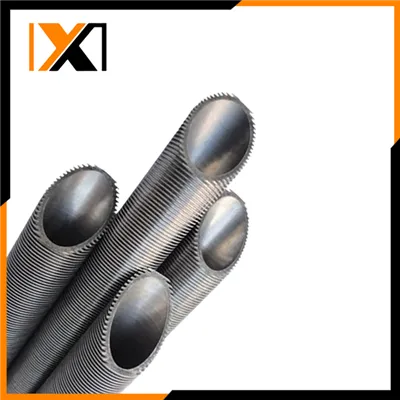
One of our popular products is the Stainless Steel Pool Boiling Evaporator Tube. This tube is made of high - quality stainless steel with a sufficient chromium and nickel content, providing excellent corrosion resistance in high - temperature and high - pressure environments. It is suitable for use in power plants, chemical factories, and other industrial applications.
We also supply the Stainless Steel Pool Boiling Evaporator Tube1. This product is designed with enhanced corrosion resistance, thanks to the addition of molybdenum. It is ideal for use in environments with a high concentration of chloride ions, such as seawater desalination plants.
Another product in our portfolio is the Stainless Steel U - shaped Tube. This tube has a smooth surface finish, which not only enhances its corrosion resistance but also improves its heat transfer efficiency. It is commonly used in heat exchangers and refrigeration systems.
Contact Us for Your Stainless Steel Needs
If you are looking for high - quality stainless steel products with excellent corrosion resistance, we are here to help. Our team of experts can assist you in selecting the right stainless steel product for your specific application. Whether you need a large quantity of tubes for an industrial project or a small batch of custom - made parts, we have the resources and expertise to meet your requirements.
Don't hesitate to contact us to start a procurement negotiation. We are committed to providing you with the best products and services at competitive prices.
References
- ASM Handbook, Volume 13A: Corrosion: Fundamentals, Testing, and Protection. ASM International.
- Stainless Steel in Construction: A Practical Guide. The International Stainless Steel Forum.
- Corrosion of Metals and Alloys: An Introduction. Elsevier.