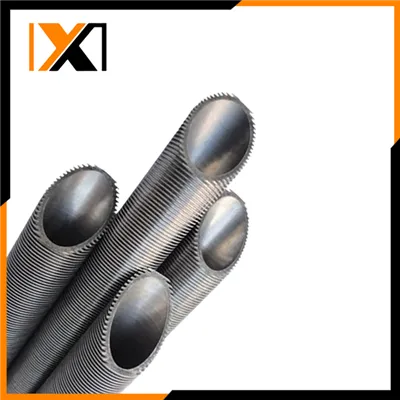
Hey there! As a supplier of aluminium brass tubes, I often get asked about the corrosion resistance of these tubes. So, I thought I'd share some insights on this topic.
First off, let's understand what aluminium brass tubes are. Aluminium brass is an alloy that mainly consists of copper, zinc, and a small amount of aluminium. This combination gives the tubes some unique properties, especially when it comes to corrosion resistance.
Why Corrosion Resistance Matters
Corrosion can be a real pain in the neck for many industries. It can lead to the degradation of materials, reduce the lifespan of equipment, and even cause safety issues. For example, in the marine industry, tubes are constantly exposed to seawater, which is highly corrosive. If the tubes aren't corrosion-resistant, they can develop leaks, which can be a major problem for ships and offshore platforms.
In the power generation industry, tubes are used in heat exchangers. Corrosion in these tubes can reduce the efficiency of the heat transfer process, leading to higher energy consumption and maintenance costs. So, having tubes with good corrosion resistance is crucial for these industries.
How Aluminium Brass Tubes Resist Corrosion
One of the main reasons aluminium brass tubes are so corrosion-resistant is the presence of aluminium in the alloy. Aluminium forms a thin, protective oxide layer on the surface of the tube when it comes into contact with oxygen. This oxide layer acts as a barrier, preventing further corrosion of the underlying metal.
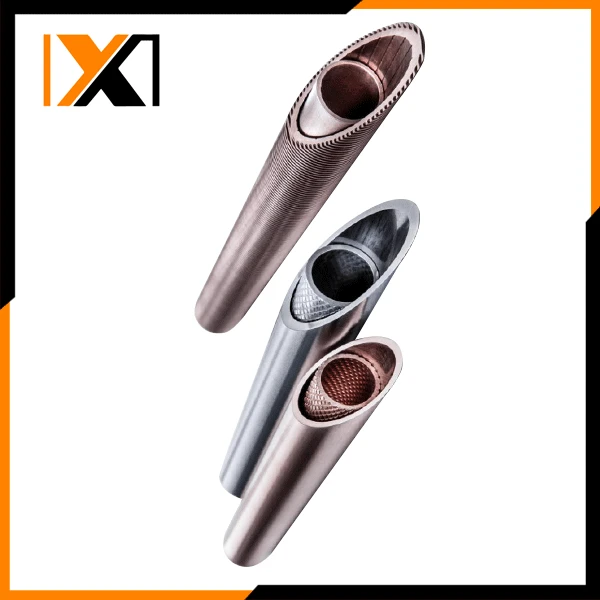

Another factor is the composition of the alloy. The ratio of copper, zinc, and aluminium is carefully balanced to optimize the corrosion resistance. The copper in the alloy provides good general corrosion resistance, while the zinc helps to improve the mechanical properties of the tube.
Types of Aluminium Brass Tubes and Their Corrosion Resistance
We offer a variety of aluminium brass tubes, each with its own unique features and corrosion resistance properties.
-
Aluminium Brass Ordinary Low Fin Tube: This type of tube has a relatively simple design. The low fin structure increases the surface area for heat transfer, while still maintaining good corrosion resistance. The protective oxide layer on the surface of the tube helps to prevent corrosion in various environments. You can check out more details about this tube Aluminium Brass Ordinary Low Fin Tube.
-
Aluminium Brass Hemp Tube: The hemp tube has a special structure that provides enhanced corrosion resistance in certain applications. The unique design helps to distribute the stress evenly on the tube, reducing the risk of corrosion. It's suitable for use in environments where there are high levels of stress and corrosion. You can find more information about this tube Aluminium Brass Hemp Tube.
-
Aluminium Brass High Performance Fin Tube: This tube is designed for high-performance applications. The high fin structure maximizes the surface area for heat transfer, and at the same time, it has excellent corrosion resistance. The advanced alloy composition and manufacturing process ensure that the tube can withstand harsh environments. You can learn more about this tube Aluminium Brass High Performance Fin Tube.
Factors Affecting the Corrosion Resistance of Aluminium Brass Tubes
While aluminium brass tubes are generally very corrosion-resistant, there are some factors that can affect their performance.
-
Environment: The environment in which the tube is used plays a big role. For example, in a highly acidic or alkaline environment, the corrosion rate may be higher. Seawater contains various salts and minerals, which can also accelerate corrosion if the tube isn't properly protected.
-
Temperature: High temperatures can increase the rate of corrosion. In some applications, the tubes may be exposed to high temperatures for extended periods. This can cause the protective oxide layer to break down, leading to corrosion.
-
Mechanical Stress: Mechanical stress can also affect the corrosion resistance of the tube. If the tube is subjected to excessive bending, stretching, or vibration, it can cause cracks in the protective oxide layer, making the tube more susceptible to corrosion.
Testing the Corrosion Resistance of Aluminium Brass Tubes
Before we supply our tubes to customers, we conduct a series of tests to ensure their corrosion resistance. We use various methods, such as immersion tests in different corrosive media, electrochemical tests, and salt spray tests.
In the immersion tests, the tubes are submerged in a solution that simulates the actual working environment. We monitor the corrosion rate over a period of time to evaluate the performance of the tube.
Electrochemical tests measure the electrochemical properties of the tube, such as the corrosion potential and the corrosion current. These tests can provide valuable information about the corrosion mechanism and the effectiveness of the protective oxide layer.
The salt spray test is a widely used method to evaluate the corrosion resistance of materials. The tubes are exposed to a salt spray mist for a certain period of time, and then we examine the surface of the tube for signs of corrosion.
Maintenance and Care for Aluminium Brass Tubes
To ensure the long-term corrosion resistance of aluminium brass tubes, proper maintenance and care are essential.
-
Regular Inspection: Regularly inspect the tubes for any signs of corrosion, such as pitting, cracking, or discoloration. Early detection of corrosion can help to prevent further damage.
-
Cleaning: Keep the tubes clean to remove any dirt, debris, or contaminants that may accumulate on the surface. This can help to maintain the integrity of the protective oxide layer.
-
Avoiding Contact with Corrosive Substances: Try to avoid exposing the tubes to corrosive substances as much as possible. If the tubes need to be in contact with such substances, make sure to take appropriate protective measures.
Conclusion
In conclusion, aluminium brass tubes are a great choice for applications that require good corrosion resistance. Their unique alloy composition and the formation of a protective oxide layer make them highly resistant to corrosion. We offer a range of aluminium brass tubes, including the Aluminium Brass Ordinary Low Fin Tube, Aluminium Brass Hemp Tube, and Aluminium Brass High Performance Fin Tube, each tailored to specific needs.
If you're in the market for high-quality aluminium brass tubes with excellent corrosion resistance, we'd love to hear from you. Contact us for more information and to discuss your specific requirements. We're here to help you find the best solution for your application.
References
- Jones, D. A. (1992). Principles and Prevention of Corrosion. Prentice Hall.
- Uhlig, H. H., & Revie, R. W. (1985). Corrosion and Corrosion Control. Wiley-Interscience.
- Fontana, M. G. (1986). Corrosion Engineering. McGraw-Hill.