Hey there! As a supplier of copper tube direct expansion systems, I often get asked about the cooling capacity of these systems. So, I thought I'd take some time to break it down for you and give you a better understanding of what it all means.
First off, let's talk about what a copper tube direct expansion system is. In simple terms, it's a type of refrigeration system where the refrigerant directly expands in the evaporator tubes, which are made of copper. Copper is a popular choice for these tubes because it has excellent thermal conductivity, which means it can transfer heat very efficiently. This is crucial for a refrigeration system, as the main goal is to remove heat from a space and cool it down.
Now, the cooling capacity of a copper tube direct expansion system is basically how much heat it can remove from a space in a given amount of time. It's usually measured in British Thermal Units per hour (BTU/hr) or tons of refrigeration. One ton of refrigeration is equal to 12,000 BTU/hr, which is roughly the amount of heat needed to melt one ton of ice in 24 hours.
So, what factors affect the cooling capacity of a copper tube direct expansion system? Well, there are several.
Refrigerant Type
The type of refrigerant used in the system plays a big role. Different refrigerants have different thermodynamic properties, which means they can absorb and release heat at different rates. For example, some refrigerants are more efficient at low temperatures, while others work better at high temperatures. As a supplier, we offer systems that can use a variety of refrigerants, depending on your specific needs.
Tube Design and Size
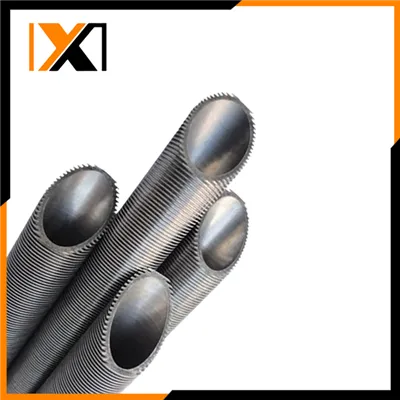
The design and size of the copper tubes also matter. Tubes with a larger surface area can transfer heat more effectively, which can increase the cooling capacity. That's why we offer products like the Copper High Performance Fin Tube. The fins on these tubes increase the surface area, allowing for better heat transfer. Similarly, the Copper High Performance Condensing Tube is designed to optimize the condensing process, which is an important part of the refrigeration cycle.
System Configuration
The overall configuration of the system, including the number of evaporator and condenser coils, the layout of the tubes, and the type of compressor used, can all impact the cooling capacity. A well-designed system will have the right balance of components to ensure efficient operation.
Operating Conditions
The temperature and humidity of the space being cooled, as well as the ambient temperature outside, can affect how well the system performs. For example, if the outside temperature is very high, the condenser may have a harder time rejecting heat, which can reduce the cooling capacity.
Let's say you're looking to cool a small office space. You'd need to calculate the heat load of the space, which takes into account things like the size of the room, the number of people in it, the amount of equipment generating heat, and the insulation of the building. Once you have the heat load, you can choose a copper tube direct expansion system with a cooling capacity that matches or exceeds that load.
If you're dealing with a larger commercial space, like a supermarket or a warehouse, the calculations get a bit more complex. You may need multiple systems or a larger, more powerful system to handle the heat load. That's where our expertise as a supplier comes in. We can help you design a system that's tailored to your specific requirements.


Another important aspect to consider is energy efficiency. A system with a high cooling capacity isn't necessarily the best choice if it uses a lot of energy. That's why we focus on providing systems that are not only powerful but also energy-efficient. Our Copper Falling Film Evaporator Tube is designed to improve the efficiency of the evaporation process, which can lead to energy savings over time.
In addition to energy efficiency, we also pay attention to other factors like reliability and durability. Our copper tubes are made from high-quality materials and are designed to withstand the rigors of continuous operation. This means less maintenance and fewer breakdowns, which can save you time and money in the long run.
So, how do you determine the right cooling capacity for your needs? Here are some steps you can take:
- Calculate the heat load: As mentioned earlier, this involves looking at the size of the space, the number of heat sources, and the insulation. There are online calculators available that can help you with this, or you can hire a professional HVAC engineer.
- Consider future growth: If you expect your business to grow or the heat load to increase in the future, it may be a good idea to choose a system with a slightly higher cooling capacity than you currently need.
- Consult with a supplier: That's where we come in! We have the knowledge and experience to help you choose the right system for your specific situation. We can also provide you with detailed information about the cooling capacity, energy efficiency, and cost of different systems.
In conclusion, the cooling capacity of a copper tube direct expansion system is a crucial factor to consider when choosing a refrigeration system. It's affected by several factors, including the refrigerant type, tube design, system configuration, and operating conditions. As a supplier, we're committed to providing high-quality systems that offer the right balance of cooling capacity, energy efficiency, reliability, and durability.
If you're in the market for a copper tube direct expansion system, or if you have any questions about cooling capacity or our products, don't hesitate to reach out. We'd be happy to have a chat and help you find the perfect solution for your needs.
References
- ASHRAE Handbook - Refrigeration. American Society of Heating, Refrigerating and Air-Conditioning Engineers.
- Refrigeration and Air Conditioning Technology, 8th Edition. William C. Whitman, William M. Johnson, John Tomczyk, and Eugene Silberstein.