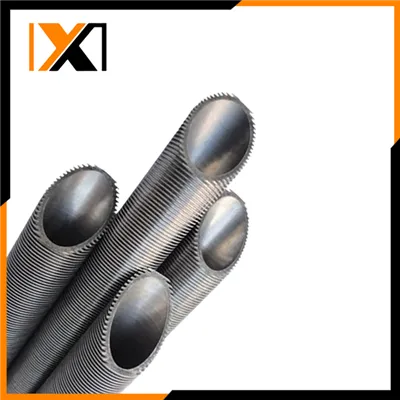
Smooth titanium tubes have emerged as a cornerstone in modern medical applications, revolutionizing the way healthcare professionals approach various treatments and procedures. As a supplier of high - quality smooth titanium tubes, I have witnessed firsthand the diverse and critical roles these tubes play in the medical field.
I. Characteristics of Smooth Titanium Tubes
Before delving into the applications, it's essential to understand the unique properties of smooth titanium tubes. Titanium is a lightweight, strong, and corrosion - resistant metal. Smooth titanium tubes inherit these qualities while offering a polished surface finish. This smoothness is crucial as it reduces the risk of tissue damage and the adherence of biological fluids and microorganisms. They are biocompatible, meaning they can interact with the human body without causing adverse reactions, which is a fundamental requirement for medical applications.
II. Surgical Instruments
One of the most prominent applications of smooth titanium tubes in the medical field is in the manufacturing of surgical instruments. Scalpels, forceps, and retractors often incorporate smooth titanium tubes. The strength of titanium allows these instruments to withstand the rigors of surgical procedures, while the smooth surface ensures easy handling and minimizes tissue trauma. For example, in minimally invasive surgeries, where precision and minimal tissue disruption are key, smooth titanium tubes are used to create slender, flexible instruments that can navigate through small incisions. The smooth exterior also makes these instruments easier to clean and sterilize, which is vital for preventing infections in the operating room.
III. Medical Implants
Smooth titanium tubes are widely used in medical implants. Dental implants, for instance, frequently utilize these tubes. The biocompatibility of titanium ensures that the implant can be accepted by the body, and the smooth surface reduces the risk of inflammation and rejection. In orthopedic implants, such as spinal rods and hip joint replacements, smooth titanium tubes are essential components. They can provide structural support to the affected bone or joint while causing minimal irritation to the surrounding soft tissues. The corrosion - resistant nature of titanium ensures the long - term durability of these implants, meaning patients can rely on them for an extended period.
IV. Cardiovascular Devices
In the cardiovascular field, smooth titanium tubes play a crucial role. Stents, which are used to open up blocked arteries, are often made from titanium alloys in tube form. The smooth surface of the tube helps in the easy insertion of the stent into the artery, and once in place, it mimics the natural blood - vessel lining, reducing the risk of blood clots. Catheters, another important cardiovascular device, also benefit from smooth titanium tubes. Catheters are used for various purposes, such as delivering drugs, taking blood samples, or performing diagnostic procedures. The smoothness of the tube allows for smooth movement through the blood vessels, minimizing the risk of damage to the vessel walls.
V. Diagnostic Equipment
Smooth titanium tubes are also used in diagnostic equipment. In endoscopy, for example, the tubes used in the endoscope are often made of smooth titanium. The endoscope is inserted into the body to visualize internal organs and tissues. The smooth surface of the titanium tube ensures easy insertion and movement within the body, providing clear and accurate images. Additionally, in imaging equipment like MRI machines, titanium tubes are used in certain components. Titanium is non - magnetic, which makes it suitable for use in an MRI environment without interfering with the magnetic field.
VI. Comparison with Other Materials
When compared to other materials commonly used in the medical field, such as stainless steel and plastic, smooth titanium tubes have several advantages. Stainless steel, while strong, is heavier and more prone to corrosion in certain biological environments. Plastic, on the other hand, may not have the same level of strength and durability as titanium. The biocompatibility of titanium also surpasses that of many other materials, making it a preferred choice for long - term medical applications.
VII. Our Role as a Supplier
As a supplier of smooth titanium tubes, we are committed to providing the highest quality products. We use advanced manufacturing processes to ensure the smoothness and precision of our tubes. Our quality control measures are strict, and we test each tube to meet the stringent standards of the medical industry. We also offer customization options, allowing medical device manufacturers to get tubes that meet their specific requirements. Whether it's a specific diameter, length, or wall thickness, we can produce smooth titanium tubes to fit the needs of our customers.
VIII. Future Outlook
The future of smooth titanium tubes in the medical field looks promising. With the continuous advancement of medical technology, the demand for high - quality medical devices is increasing. Smooth titanium tubes will likely play an even more significant role in the development of new and improved surgical instruments, implants, and diagnostic equipment. Research is also being conducted on further enhancing the properties of titanium, such as improving its antibacterial properties, which could open up new applications in the medical field.
Conclusion
In conclusion, smooth titanium tubes have a wide range of applications in the medical field, from surgical instruments to diagnostic equipment. Their unique properties, such as biocompatibility, strength, and corrosion resistance, make them an ideal choice for medical applications. As a supplier of smooth titanium tubes, we are proud to contribute to the medical industry by providing high - quality products. If you are in the medical device manufacturing business and are interested in procuring smooth titanium tubes, we invite you to [start a procurement discussion with us]. We believe our products can meet your needs and contribute to the success of your medical applications. You can explore more titanium tube options, such as Titanium Corrugated Tube and Titanium Corrugated Tube on our website, and also learn more about our Sommth Titanium Tube.

References
- Williams, D. F. (2008). On the mechanisms of biocompatibility. Biomaterials, 29(20), 2941 - 2953.
- Ratner, B. D., Hoffman, A. S., Schoen, F. J., & Lemons, J. E. (2004). Biomaterials science: An introduction to materials in medicine. Elsevier.