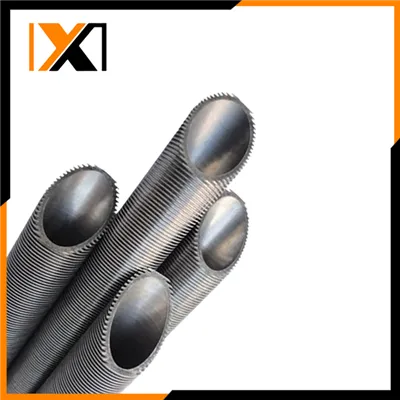
In the realm of industrial materials, the choice of tubing can significantly impact the efficiency, durability, and overall performance of a system. Among the various options available, aluminium brass tubes stand out as a versatile and high - performing solution. As a supplier of aluminium brass tubes, I've witnessed firsthand the numerous advantages these tubes offer across a wide range of applications. In this blog, I'll delve into the key benefits of using aluminium brass tubes and why they are an excellent choice for many industries.
Exceptional Corrosion Resistance
One of the most significant advantages of aluminium brass tubes is their outstanding corrosion resistance. Aluminium brass is an alloy composed primarily of copper, zinc, and aluminium, with small amounts of other elements. The addition of aluminium forms a thin, protective oxide layer on the surface of the tube when exposed to air or water. This oxide layer acts as a barrier, preventing further corrosion and protecting the underlying metal from damage.

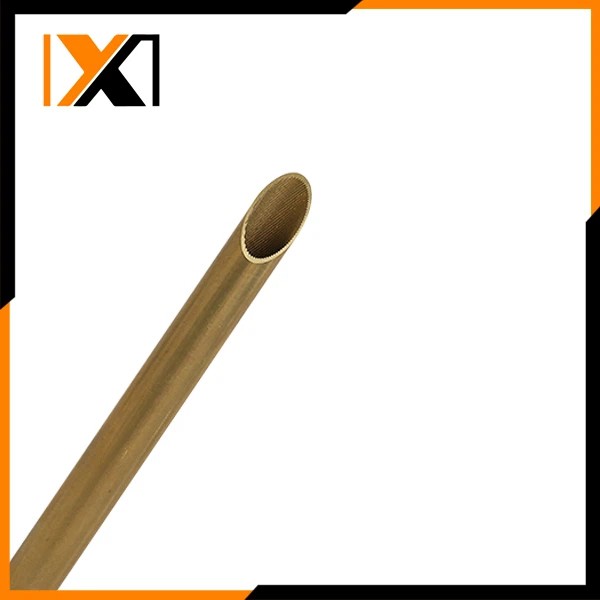
This corrosion resistance makes aluminium brass tubes ideal for use in marine environments, where they are constantly exposed to saltwater. Saltwater is highly corrosive and can quickly degrade many metals, but aluminium brass tubes can withstand the harsh conditions for extended periods. They are commonly used in shipbuilding for components such as condensers, heat exchangers, and seawater piping systems. For example, in a ship's cooling system, aluminium brass tubes can efficiently transfer heat while remaining resistant to the corrosive effects of seawater, ensuring the long - term reliability of the system.
In addition to marine applications, aluminium brass tubes are also suitable for use in chemical processing plants. Many chemicals can be highly corrosive, and using the wrong type of tubing can lead to leaks, equipment failure, and safety hazards. Aluminium brass tubes can resist the corrosion caused by a variety of chemicals, including acids, alkalis, and salts. They are often used in the construction of chemical reactors, storage tanks, and piping systems, where they can provide reliable service even in the presence of corrosive substances.
High Thermal Conductivity
Another important advantage of aluminium brass tubes is their high thermal conductivity. Thermal conductivity is a measure of a material's ability to transfer heat. Aluminium brass has a relatively high thermal conductivity compared to many other metals, which means it can efficiently transfer heat from one fluid to another.
This property makes aluminium brass tubes well - suited for use in heat exchangers. Heat exchangers are devices that transfer heat between two fluids without allowing them to mix. In a heat exchanger, aluminium brass tubes can quickly transfer heat from a hot fluid to a cold fluid, maximizing the efficiency of the heat transfer process. For instance, in a power plant, aluminium brass tubes are used in condensers to transfer heat from steam to cooling water. The high thermal conductivity of the tubes ensures that the steam can be quickly condensed, improving the overall efficiency of the power generation process.
Moreover, the high thermal conductivity of aluminium brass tubes also allows for more compact heat exchanger designs. Since the tubes can transfer heat more efficiently, less surface area is required to achieve the same level of heat transfer. This can result in smaller and more cost - effective heat exchanger units, which is beneficial for industries where space is limited or cost is a major concern.
Excellent Mechanical Properties
Aluminium brass tubes possess excellent mechanical properties, including high strength and good ductility. Strength refers to a material's ability to withstand an applied load without breaking, while ductility is the ability of a material to deform plastically without fracturing.
The high strength of aluminium brass tubes allows them to withstand high pressures and stresses. This makes them suitable for use in high - pressure applications, such as in hydraulic systems and high - pressure piping. For example, in an oil and gas pipeline, aluminium brass tubes can withstand the high pressures associated with the transportation of oil and gas over long distances.
The good ductility of aluminium brass tubes means they can be easily formed into various shapes and sizes. They can be bent, welded, and machined without cracking or breaking, which provides flexibility in the design and manufacturing of components. This is particularly useful in industries where custom - made tubing is required. Manufacturers can easily fabricate aluminium brass tubes into the specific shapes and sizes needed for their applications, reducing production time and costs.
Cost - Effectiveness
When considering the cost of materials for industrial applications, aluminium brass tubes offer a cost - effective solution. Although the initial cost of aluminium brass tubes may be slightly higher than some other metals, their long - term cost benefits are significant.
Due to their excellent corrosion resistance, aluminium brass tubes have a long service life. They require less maintenance and replacement compared to other metals that are more prone to corrosion. This reduces the overall cost of ownership over the life of the equipment. For example, in a marine application, using aluminium brass tubes in a seawater cooling system can save money on maintenance and replacement costs in the long run, as the tubes are less likely to corrode and fail.
In addition, the high thermal conductivity and mechanical properties of aluminium brass tubes contribute to the efficiency of the systems in which they are used. This can lead to energy savings and increased productivity, further offsetting the initial cost of the tubes. For instance, in a heat exchanger, the high thermal conductivity of aluminium brass tubes can reduce energy consumption by improving the heat transfer efficiency, resulting in lower operating costs.
Versatility in Applications
Aluminium brass tubes are highly versatile and can be used in a wide range of applications across various industries. Some of the common applications include:
- Marine Industry: As mentioned earlier, aluminium brass tubes are widely used in shipbuilding for condensers, heat exchangers, and seawater piping systems. They are also used in offshore oil and gas platforms for similar applications, where corrosion resistance and high performance are crucial.
- Power Generation: In power plants, aluminium brass tubes are used in condensers, heat exchangers, and cooling systems. They can efficiently transfer heat and withstand the high temperatures and pressures associated with power generation processes.
- Chemical Processing: Aluminium brass tubes are suitable for use in chemical reactors, storage tanks, and piping systems. Their corrosion resistance makes them a reliable choice for handling corrosive chemicals.
- HVAC Systems: In heating, ventilation, and air - conditioning (HVAC) systems, aluminium brass tubes can be used in heat exchangers to transfer heat between the refrigerant and the air. Their high thermal conductivity and corrosion resistance ensure efficient and long - lasting performance.
If you are interested in exploring our range of aluminium brass tubes, we offer a variety of products to meet your specific needs. You can check out our Aluminium Pool Boiling Evaporator Tube, En 12451 Cuzn20 Al2as Aluminium Brass Pipe C68700, and Aluminium Brass High Performance Fin Tube.
If you have any questions or would like to discuss your specific requirements for aluminium brass tubes, please feel free to reach out to us. We are more than happy to assist you in finding the right solution for your application and look forward to the opportunity to start a procurement discussion with you.
References
- ASM Handbook Committee. (2001). ASM Handbook Volume 2: Properties and Selection: Nonferrous Alloys and Special - Purpose Materials. ASM International.
- Metals Handbook Committee. (1990). Metals Handbook Desk Edition. ASM International.
- Schweitzer, P. A. (2004). Corrosion Resistance Tables, 5th Edition. McGraw - Hill Professional.