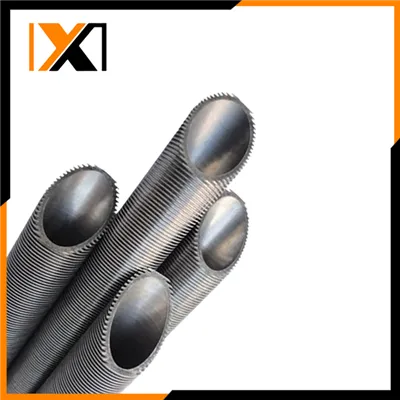
Handling refrigerant leaks in a copper tube direct expansion system can be a real headache, but don't worry! As a supplier of copper tube direct expansion products, I've dealt with this issue more times than I can count. In this blog, I'll share some practical tips on how to identify, fix, and prevent refrigerant leaks in your system.
Identifying Refrigerant Leaks
The first step in handling refrigerant leaks is to figure out if you even have one. There are a few tell - tale signs that can give you a hint.
One of the most obvious signs is a drop in the cooling performance of your system. If your space isn't getting as cold as it used to, or if it takes a lot longer to reach the desired temperature, there's a good chance there's a refrigerant leak. You might also notice that your energy bills are going up. Since the system has to work harder to achieve the same level of cooling, it consumes more power.
Another way to spot a leak is by looking for visible signs. Check the copper tubes for any signs of oil stains. Refrigerant often carries a small amount of oil with it, and when there's a leak, the oil can seep out and leave a greasy residue on the outside of the tube. You can also use a refrigerant leak detector. These devices are pretty handy and can quickly tell you if there's a leak in the area you're checking.
Locating the Leak
Once you've determined that there's a leak, the next step is to find exactly where it is. This can be a bit tricky, especially in a large system with a lot of copper tubes.


A good place to start is by visually inspecting the tubes. Look for any cracks, holes, or damaged areas. Pay close attention to the joints and connections, as these are common places for leaks to occur. You can also use a soap - bubble test. Mix some dish soap with water and apply it to the suspected areas of the tube. If there's a leak, the pressure of the escaping refrigerant will cause bubbles to form.
If you're having trouble finding the leak using these methods, you might want to consider using a more advanced tool like an electronic leak detector. These detectors can sense even the smallest amounts of refrigerant and can help you pinpoint the exact location of the leak.
Fixing the Leak
After you've found the leak, it's time to fix it. The method you use will depend on the size and location of the leak.
For small leaks, you can often use a refrigerant sealant. These sealants are designed to stop small leaks by filling in the holes or cracks. Just follow the instructions on the product carefully. Make sure to evacuate the system of any remaining refrigerant before applying the sealant, and then recharge the system with the correct amount of refrigerant afterwards.
If the leak is larger or if the tube is severely damaged, you'll probably need to replace the affected section of the copper tube. This requires a bit more skill and tools. You'll need to cut out the damaged section using a tube cutter and then solder in a new piece of tube. It's important to make sure the new tube is the right size and type for your system. You can find high - quality replacement tubes like the Copper High Performance Evaporating Tube or the Smooth Surface Copper Tube in Coil on our website.
Recharging the System
Once the leak has been fixed, you'll need to recharge the system with refrigerant. This is a critical step, as having the right amount of refrigerant is essential for the proper functioning of the system.
Before you start recharging, make sure you know the correct amount of refrigerant your system requires. You can usually find this information in the system's manual. Use a refrigerant scale to measure the amount accurately. Connect the refrigerant cylinder to the system's charging port and slowly add the refrigerant until you reach the correct level.
Preventing Future Leaks
Of course, the best way to handle refrigerant leaks is to prevent them from happening in the first place. Here are some tips to help you keep your copper tube direct expansion system leak - free.
Regular maintenance is key. Have your system inspected and serviced by a professional at least once a year. They can check for any potential issues and make any necessary repairs before they turn into major problems.
When installing or replacing copper tubes, make sure to use high - quality materials. Our Copper Tube Direct Expansion products are made from top - notch copper and are designed to be durable and reliable.
Avoid over - tightening or under - tightening the connections. This can put stress on the tubes and cause leaks over time. Use the right tools and follow the manufacturer's instructions when making connections.
Conclusion
Handling refrigerant leaks in a copper tube direct expansion system isn't always easy, but with the right knowledge and tools, you can do it. By being able to identify the signs of a leak, locate it accurately, fix it properly, and take steps to prevent future leaks, you can keep your system running smoothly.
If you're in the market for high - quality copper tubes for your direct expansion system, or if you have any questions about handling refrigerant leaks, don't hesitate to reach out. We're here to help you with all your copper tube direct expansion needs. Contact us for more information and to start a procurement discussion.
References
- ASHRAE Handbook - Refrigeration. American Society of Heating, Refrigerating and Air - Conditioning Engineers.
- Manufacturer's manuals for copper tube direct expansion systems.