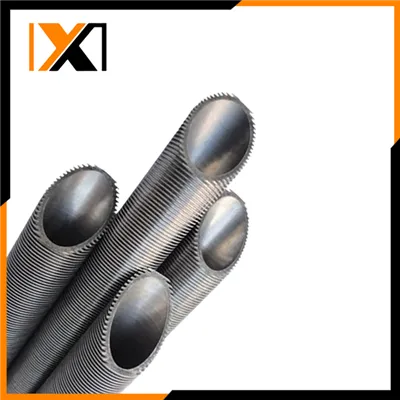
As a trusted supplier of titanium corrugated tubes, I understand the importance of maintaining the quality and performance of these essential components. Titanium corrugated tubes are widely used in various industries due to their excellent corrosion resistance, high strength, and heat transfer properties. However, over time, these tubes can accumulate dirt, debris, and contaminants that can affect their efficiency and lifespan. In this blog post, I will share some effective methods on how to clean titanium corrugated tubes to ensure their optimal performance.

Understanding the Importance of Cleaning Titanium Corrugated Tubes
Titanium corrugated tubes are commonly used in heat exchangers, condensers, and other industrial equipment where efficient heat transfer is crucial. When these tubes become dirty, the build-up of scale, rust, and other contaminants can act as an insulating layer, reducing the heat transfer efficiency. This not only leads to increased energy consumption but also affects the overall performance of the equipment. Additionally, dirty tubes can provide a breeding ground for bacteria and other microorganisms, which can pose a health risk in applications such as food and beverage processing.
Regular cleaning of titanium corrugated tubes can help prevent these issues and extend the lifespan of the equipment. By removing the dirt and contaminants, the tubes can maintain their smooth surface, allowing for better heat transfer and fluid flow. This, in turn, improves the efficiency of the equipment and reduces the need for costly repairs and replacements.
Pre-Cleaning Inspection
Before starting the cleaning process, it is important to conduct a thorough inspection of the titanium corrugated tubes. This will help identify any signs of damage, such as cracks, leaks, or corrosion, that may require immediate attention. Inspect the tubes visually for any visible dirt, debris, or discoloration. Use a borescope or other inspection tools to check the internal surfaces of the tubes for any blockages or deposits.
If any damage or significant blockages are found, it is recommended to consult a professional technician or engineer for further evaluation and repair. Cleaning the tubes without addressing these issues may cause further damage or reduce the effectiveness of the cleaning process.
Cleaning Methods
There are several methods available for cleaning titanium corrugated tubes, each with its own advantages and limitations. The choice of cleaning method depends on the type and severity of the contaminants, as well as the specific requirements of the application. Here are some common cleaning methods:
Mechanical Cleaning
Mechanical cleaning involves the use of physical force to remove dirt and debris from the tubes. This can be done using brushes, scrapers, or high-pressure water jets. Brushes and scrapers are effective for removing loose dirt and scale from the external surfaces of the tubes. However, they may not be suitable for cleaning the internal surfaces of the tubes, especially in areas with complex geometries.
High-pressure water jets are a more effective method for cleaning the internal surfaces of the tubes. The high-pressure water can penetrate deep into the tubes and dislodge stubborn dirt and deposits. This method is also less likely to cause damage to the tubes compared to other mechanical cleaning methods. However, it requires specialized equipment and trained personnel to operate safely.
Chemical Cleaning
Chemical cleaning involves the use of chemicals to dissolve and remove dirt, scale, and other contaminants from the tubes. This method is particularly effective for removing stubborn deposits that cannot be removed by mechanical cleaning alone. There are several types of chemicals that can be used for cleaning titanium corrugated tubes, including acids, alkalis, and detergents.
Acids, such as hydrochloric acid and sulfuric acid, are commonly used for removing scale and rust from the tubes. However, these acids can be corrosive to titanium if not used properly. It is important to use the appropriate concentration of acid and to follow the manufacturer's instructions carefully. Alkalis, such as sodium hydroxide, can be used for removing organic contaminants, such as grease and oil. Detergents are also effective for removing dirt and debris from the tubes and are generally less corrosive than acids and alkalis.
When using chemical cleaning methods, it is important to take appropriate safety precautions. Wear protective clothing, gloves, and goggles to avoid contact with the chemicals. Ensure proper ventilation in the cleaning area to prevent the inhalation of fumes. After cleaning, rinse the tubes thoroughly with water to remove any residual chemicals.
Ultrasonic Cleaning
Ultrasonic cleaning is a non-contact cleaning method that uses high-frequency sound waves to create microscopic bubbles in a cleaning solution. These bubbles collapse near the surface of the tubes, creating a scrubbing action that removes dirt and contaminants. Ultrasonic cleaning is particularly effective for cleaning small and intricate parts, such as the internal surfaces of titanium corrugated tubes.
This method is gentle and does not cause any damage to the tubes. It can also clean hard-to-reach areas that are difficult to access using other cleaning methods. However, ultrasonic cleaning requires specialized equipment and a suitable cleaning solution. The cleaning solution used should be compatible with titanium and should not cause any corrosion or damage to the tubes.
Post-Cleaning Inspection and Maintenance
After cleaning the titanium corrugated tubes, it is important to conduct a post-cleaning inspection to ensure that the tubes are clean and free of any remaining contaminants. Inspect the tubes visually for any signs of damage or discoloration. Use a borescope or other inspection tools to check the internal surfaces of the tubes for any remaining deposits.
If any remaining contaminants are found, repeat the cleaning process using the appropriate method. Once the tubes are clean, it is recommended to apply a protective coating or inhibitor to prevent future corrosion and contamination. This can help extend the lifespan of the tubes and maintain their performance.
Regular maintenance of the titanium corrugated tubes is also important to ensure their long-term performance. This includes monitoring the operating conditions of the equipment, such as temperature, pressure, and flow rate, and making any necessary adjustments. It is also recommended to conduct regular inspections of the tubes to detect any signs of damage or wear early on.
Conclusion
Cleaning titanium corrugated tubes is an important part of maintaining their performance and extending their lifespan. By using the appropriate cleaning method and following the recommended procedures, you can effectively remove dirt, debris, and contaminants from the tubes and ensure their optimal performance. Whether you choose mechanical cleaning, chemical cleaning, or ultrasonic cleaning, it is important to take appropriate safety precautions and to follow the manufacturer's instructions carefully.
At our company, we offer a wide range of high-quality titanium corrugated tubes, including Titanium High Performance Evaporating Tube, Sommth Titanium Tube, and Tianium Ordinary Low Fin Tube. Our tubes are designed to meet the highest standards of quality and performance, and we are committed to providing our customers with the best products and services.
If you are interested in purchasing titanium corrugated tubes or have any questions about cleaning or maintaining them, please feel free to contact us. Our team of experts will be happy to assist you and provide you with the information you need.
References
- ASM Handbook Volume 2: Properties and Selection: Nonferrous Alloys and Special-Purpose Materials.
- Corrosion Resistance of Titanium and Titanium Alloys, ASM International.
- Heat Exchanger Design Handbook, McGraw-Hill.