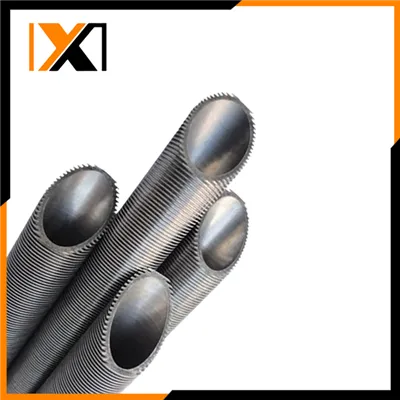
Humidity is a critical environmental factor that can significantly impact the performance and longevity of copper tubes and copper alloy tubes. As a leading supplier of these tubes, I have witnessed firsthand the various effects of humidity on our products. In this blog, I will delve into the science behind how humidity affects copper tubes and copper alloy tubes, and provide insights on how to mitigate these effects.
The Basics of Copper and Copper Alloys
Copper is a highly versatile metal known for its excellent electrical and thermal conductivity, corrosion resistance, and malleability. Copper alloy tubes, which are made by combining copper with other elements such as zinc, tin, nickel, or aluminum, offer enhanced properties such as increased strength, hardness, and resistance to specific types of corrosion. These tubes are widely used in various industries, including HVAC, plumbing, electrical, and automotive.
How Humidity Affects Copper Tubes
Corrosion
One of the most significant effects of humidity on copper tubes is corrosion. When copper is exposed to moisture in the air, it reacts with oxygen and other elements to form a layer of copper oxide on its surface. This layer, commonly known as patina, can protect the underlying copper from further corrosion to some extent. However, in high humidity environments, the patina may not be sufficient to prevent corrosion, especially if the air contains pollutants such as sulfur dioxide or chloride ions.
In the presence of high humidity and pollutants, copper tubes can undergo a process called galvanic corrosion. This occurs when two different metals are in contact with each other in the presence of an electrolyte, such as water. The more reactive metal (anode) corrodes faster than the less reactive metal (cathode). For example, if a copper tube is connected to a steel pipe in a humid environment, the copper tube may corrode faster due to the difference in their electrochemical potentials.
Oxidation
Humidity can also accelerate the oxidation of copper tubes. Oxidation is a chemical reaction that occurs when copper reacts with oxygen in the air to form copper oxide. This process can cause the surface of the copper tube to become dull and discolored over time. In extreme cases, oxidation can lead to the formation of pits and holes in the tube, which can compromise its structural integrity and performance.
Microbiologically Influenced Corrosion (MIC)
In addition to chemical corrosion and oxidation, high humidity environments can also promote the growth of microorganisms such as bacteria and fungi on the surface of copper tubes. These microorganisms can produce acids and other corrosive substances that can attack the copper and cause microbiologically influenced corrosion (MIC). MIC can be particularly problematic in water systems, where the presence of microorganisms can lead to the formation of biofilms on the inner surface of the tubes. These biofilms can reduce the flow of water and increase the risk of corrosion and blockages.
How Humidity Affects Copper Alloy Tubes
Alloy-Specific Effects
The effects of humidity on copper alloy tubes can vary depending on the specific alloy composition. For example, copper-nickel alloys are known for their excellent resistance to corrosion in seawater and other high chloride environments. However, in high humidity environments with low chloride levels, copper-nickel alloys may still be susceptible to corrosion, especially if the air contains sulfur dioxide or other pollutants.
Aluminum brass alloys, on the other hand, are commonly used in heat exchangers and condensers due to their high thermal conductivity and corrosion resistance. However, in high humidity environments, aluminum brass alloys may be prone to a type of corrosion called dezincification. This occurs when the zinc in the alloy is selectively removed by corrosion, leaving behind a porous and weakened copper-rich layer. Dezincification can significantly reduce the strength and performance of the tube, and may ultimately lead to failure.
Surface Finish and Coating
The surface finish and coating of copper alloy tubes can also affect their resistance to humidity and corrosion. Tubes with a smooth and clean surface are less likely to accumulate moisture and pollutants, which can reduce the risk of corrosion. Additionally, applying a protective coating, such as a polymer or ceramic coating, can provide an extra layer of protection against humidity and corrosion.
Mitigating the Effects of Humidity on Copper Tubes and Copper Alloy Tubes
Proper Installation and Maintenance
Proper installation and maintenance are essential for minimizing the effects of humidity on copper tubes and copper alloy tubes. During installation, it is important to ensure that the tubes are properly supported and protected from physical damage. Additionally, the tubes should be installed in a well-ventilated area to prevent the accumulation of moisture.
Regular maintenance is also crucial for detecting and addressing any signs of corrosion or damage early on. This may include inspecting the tubes for signs of discoloration, pitting, or leaks, and cleaning the tubes to remove any dirt or debris that may have accumulated on the surface.


Environmental Control
Controlling the environmental conditions in which the copper tubes and copper alloy tubes are used can also help to mitigate the effects of humidity. This may include maintaining a stable temperature and humidity level in the air, and reducing the presence of pollutants such as sulfur dioxide or chloride ions. In some cases, it may be necessary to install air conditioning or dehumidification systems to control the humidity levels in the environment.
Material Selection
Choosing the right type of copper tube or copper alloy tube for the specific application is also important for minimizing the effects of humidity. For example, in high humidity environments with high levels of chloride ions, copper-nickel alloys may be a better choice than pure copper tubes due to their superior corrosion resistance. Similarly, in applications where high thermal conductivity is required, aluminum brass alloys may be a more suitable option.
Our Products and Solutions
As a supplier of copper tubes and copper alloy tubes, we offer a wide range of products that are designed to withstand the effects of humidity and corrosion. Our Copper Nickel Ordinary Low Fin Tube is a high-quality product that offers excellent corrosion resistance in seawater and other high chloride environments. Our Aluminium Brass High Performance Condensing Tube is another popular product that is widely used in heat exchangers and condensers due to its high thermal conductivity and corrosion resistance.
In addition to our standard products, we also offer custom solutions to meet the specific needs of our customers. Our team of experts can work with you to select the right type of copper tube or copper alloy tube for your application, and provide you with technical support and advice on installation and maintenance.
Contact Us for Procurement and洽谈
If you are interested in purchasing copper tubes or copper alloy tubes, or if you have any questions or concerns about how humidity may affect your application, please do not hesitate to contact us. Our sales team will be happy to assist you with your procurement needs and provide you with more information about our products and solutions.
References
- ASM Handbook, Volume 13A: Corrosion: Fundamentals, Testing, and Protection. ASM International, 2003.
- Corrosion of Metals. L. L. Shreir, editor. Butterworth-Heinemann, 1994.
- Copper and Copper Alloys: Properties and Applications. R. G. Reddy and R. O. Scattergood, editors. ASM International, 2001.