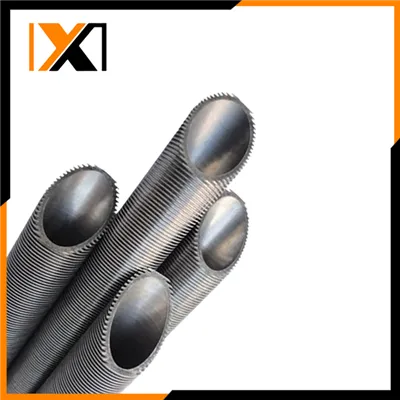
Copper tube direct expansion systems have long been recognized for their efficiency and reliability in various refrigeration and air - conditioning applications. One of the most debated questions in the HVAC industry is whether copper tube direct expansion can be used in multi - zone systems. As a supplier of high - quality copper tubes for direct expansion systems, I'd like to explore this topic in detail.
Understanding Copper Tube Direct Expansion Systems
Before delving into the viability of using copper tube direct expansion in multi - zone systems, it is essential to understand what these systems entail. In a direct expansion system, the refrigerant evaporates directly inside the copper tubes that are in contact with the air or the fluid to be cooled. The copper tubes serve as the heat exchanger, facilitating the transfer of heat from the surrounding environment to the refrigerant.
Copper is an ideal material for this application due to its excellent thermal conductivity, corrosion resistance, and malleability. These properties allow for efficient heat transfer, long - term durability, and ease of installation. There are different types of copper tubes available for direct expansion systems, such as the Copper Hemp Tube, which offers unique characteristics for specific applications. Another popular option is the Smooth Surface Copper Tube in Coil, known for its smooth interior surface that promotes efficient refrigerant flow.
Challenges in Multi - Zone Systems
Multi - zone systems are designed to provide different levels of cooling or heating to various areas within a building. These systems need to be highly flexible and responsive to the changing thermal demands of each zone. One of the main challenges in using copper tube direct expansion in multi - zone systems is achieving precise refrigerant flow control to each zone.
In a single - zone system, the refrigerant flow is relatively straightforward to manage as there is only one set of thermal requirements. However, in a multi - zone system, each zone may have different cooling or heating loads at any given time. If the refrigerant flow is not properly regulated, some zones may receive too much or too little refrigerant, leading to inefficient operation, uneven temperature distribution, and potential equipment damage.
Another challenge is the complexity of the piping layout. In a multi - zone system, the copper tubes need to be routed to multiple zones, which can increase the length and complexity of the piping network. This can result in increased pressure drops, which can impact the performance of the system. Additionally, the increased number of joints and connections in a multi - zone system can increase the risk of refrigerant leaks.
Solutions for Using Copper Tube Direct Expansion in Multi - Zone Systems
Despite the challenges, there are several solutions that can make copper tube direct expansion viable in multi - zone systems. Advanced refrigerant control technologies can be employed to accurately regulate the refrigerant flow to each zone. Electronic expansion valves (EEVs) can be used in combination with sensors to monitor the temperature and pressure in each zone and adjust the refrigerant flow accordingly. This allows for precise control and optimal performance in each individual zone.
In terms of the piping layout, careful design and installation are crucial. Computer - aided design (CAD) software can be used to optimize the piping configuration, minimizing pressure drops and reducing the length of the piping runs. Additionally, using high - quality joints and connections can help prevent refrigerant leaks. For applications that require enhanced heat transfer performance, the Copper Pool Boiling Evaporator Tube can be a great option, as it is specifically designed to improve the boiling heat transfer coefficient.
Benefits of Using Copper Tube Direct Expansion in Multi - Zone Systems
When properly designed and implemented, using copper tube direct expansion in multi - zone systems offers several benefits. Firstly, copper tubes provide excellent heat transfer efficiency, which can lead to energy savings. The high thermal conductivity of copper allows for rapid heat exchange, reducing the amount of energy required to achieve the desired cooling or heating effect.
Secondly, copper is a durable material that can withstand harsh environmental conditions and the stresses of refrigerant cycling. This means that the copper tube direct expansion system can have a long service life, reducing the need for frequent replacements and maintenance.
Finally, copper is a recyclable material, making it an environmentally friendly choice. As the demand for sustainable building solutions increases, using copper tube direct expansion systems in multi - zone applications can help meet environmental goals.
Case Studies of Successful Implementations
There are numerous case studies of successful implementations of copper tube direct expansion in multi - zone systems. For example, in a large commercial office building, a copper tube direct expansion system with advanced refrigerant control was installed. The system was able to provide precise temperature control in each individual office, meeting the different thermal requirements of the occupants. The energy efficiency of the system was significantly improved, resulting in lower operating costs.
In a hotel, a multi - zone copper tube direct expansion system was used to provide cooling and heating to different areas such as guest rooms, restaurants, and conference halls. The system's flexibility allowed for easy adjustment of the temperature and humidity levels in each zone, enhancing the comfort of the guests.
Considerations for System Designers and Installers
System designers and installers play a crucial role in ensuring the successful implementation of copper tube direct expansion in multi - zone systems. They need to have a deep understanding of the thermal requirements of each zone and the performance characteristics of the copper tubes.
When selecting the type of copper tube, factors such as the operating pressure, temperature range, and refrigerant type need to be considered. The sizing of the copper tubes is also critical, as it directly affects the refrigerant flow and the overall performance of the system. Additionally, proper insulation of the copper tubes can help prevent heat loss and condensation, improving the efficiency of the system.
Conclusion and Call to Action
In conclusion, copper tube direct expansion can indeed be used in multi - zone systems, provided that the challenges are addressed through proper design, installation, and the use of advanced control technologies. The benefits of using copper tubes, such as high heat transfer efficiency, durability, and environmental friendliness, make them an attractive option for multi - zone applications.


If you are considering a multi - zone system for your building or project and are interested in learning more about the suitability of copper tube direct expansion, we encourage you to reach out to us for a professional consultation. Our team of experts can provide you with detailed information about our products, including the Copper Hemp Tube, Smooth Surface Copper Tube in Coil, and Copper Pool Boiling Evaporator Tube. We can also assist you in designing and implementing a customized solution that meets your specific needs. Let's start the conversation and explore how our copper tube direct expansion systems can enhance the performance and efficiency of your multi - zone project.
References
- ASHRAE Handbook - HVAC Systems and Equipment. American Society of Heating, Refrigerating and Air - Conditioning Engineers.
- "Thermal Performance of Copper Tubes in Refrigeration Systems." Journal of Refrigeration Technology.
- "Advanced Refrigerant Control Strategies for Multi - Zone HVAC Systems." Proceedings of the International Conference on HVAC Innovation.