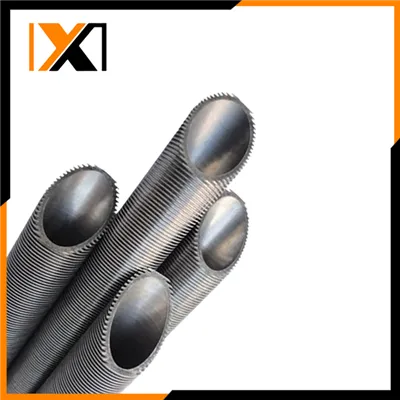
What is the wall thickness of common titanium tubes? This is a question that often arises among those in industries relying on titanium tubes, such as aerospace, chemical processing, and marine applications. As a titanium tube supplier, I'm here to delve into this topic, providing you with comprehensive insights into the wall thicknesses of common titanium tubes.
Understanding Titanium Tubes
Titanium tubes are highly valued for their exceptional properties. They offer high strength - to - weight ratios, excellent corrosion resistance, and good heat transfer characteristics. These qualities make them suitable for a wide range of applications where durability and performance are crucial.
The wall thickness of a titanium tube is a critical parameter that affects its mechanical properties, pressure - bearing capacity, and overall performance. Different applications demand different wall thicknesses to ensure the tube can withstand the specific conditions it will be exposed to.
Common Wall Thickness Ranges
In general, the wall thickness of common titanium tubes can vary widely. For thin - walled titanium tubes, the wall thickness can start from as low as 0.1 mm. These thin - walled tubes are often used in applications where weight is a major concern, such as in some aerospace components. They are also suitable for applications that require high heat transfer rates, as the thin walls allow for more efficient heat exchange.
On the other hand, thick - walled titanium tubes can have wall thicknesses up to several millimeters. For instance, in some high - pressure chemical processing systems or marine environments where the tube needs to withstand harsh external forces and corrosive media, wall thicknesses of 5 mm or more may be required.
Here is a breakdown of common wall thickness ranges based on different application scenarios:
Aerospace Applications
In the aerospace industry, weight reduction is a top priority. Therefore, thin - walled titanium tubes are commonly used. Wall thicknesses typically range from 0.1 mm to 1.5 mm. For example, in the construction of aircraft hydraulic systems, these thin - walled tubes can provide the necessary fluid conveyance while minimizing the overall weight of the aircraft.
Chemical Processing
The chemical processing industry requires tubes that can withstand highly corrosive chemicals and high pressures. Therefore, the wall thickness of titanium tubes used in this industry is generally thicker. Commonly, wall thicknesses range from 2 mm to 8 mm. Tubes with these wall thicknesses can ensure long - term reliability in chemical reactors, heat exchangers, and piping systems.
Marine Applications
In marine environments, titanium tubes are exposed to saltwater corrosion and mechanical stresses. The wall thickness of titanium tubes used in marine applications usually ranges from 2.5 mm to 6 mm. This thickness provides sufficient resistance to the corrosive effects of saltwater and the mechanical forces exerted by waves and currents.

Factors Affecting Wall Thickness Selection
Several factors influence the selection of the appropriate wall thickness for a titanium tube. These include:
Pressure Requirements
The internal pressure that the tube will need to withstand is a significant factor. Tubes designed for high - pressure applications must have thicker walls to prevent rupture. For example, in a high - pressure steam generator, a titanium tube with a thicker wall will be required to ensure safety and reliability.
Corrosion Resistance
The type and severity of the corrosive environment play a role in determining the wall thickness. In highly corrosive environments, a thicker wall can provide a longer service life as it allows for some material loss due to corrosion over time.
Mechanical Loads
External mechanical loads, such as bending, torsion, and impact, also affect the wall thickness selection. Tubes that will be subjected to significant mechanical loads need to have sufficient wall thickness to resist deformation and failure.
Our Product Offerings
As a titanium tube supplier, we offer a wide range of titanium tubes with different wall thicknesses to meet the diverse needs of our customers. Our products include Titanium Pipe Seamless Tube With Titanium Tube Price, Titanium High Performance Condensing Tube, and Titanium High Performance Evaporating Tube.
Our seamless titanium tubes are manufactured using advanced processes to ensure high - quality and consistent wall thickness. We can also provide customized solutions based on your specific requirements. Whether you need thin - walled tubes for aerospace applications or thick - walled tubes for high - pressure chemical processing, we have the expertise and resources to meet your needs.
Importance of Quality Assurance
When it comes to titanium tubes, quality assurance is of utmost importance. We implement strict quality control measures throughout the manufacturing process. Our tubes are tested for wall thickness accuracy, chemical composition, mechanical properties, and corrosion resistance. This ensures that you receive titanium tubes that meet or exceed the highest industry standards.
Tips for Selecting the Right Wall Thickness
Here are some tips to help you select the right wall thickness for your titanium tube:
Consult with Experts
If you are unsure about the appropriate wall thickness for your application, consult with our technical experts. They have extensive knowledge and experience in the field and can provide you with professional advice based on your specific requirements.
Consider the Long - Term Costs
While thinner tubes may be more cost - effective initially, thicker tubes may offer better long - term value in terms of durability and reduced maintenance costs. Consider the overall life cycle costs when making your decision.
Review Industry Standards
Make sure to review the relevant industry standards for your application. These standards often specify the minimum wall thickness requirements to ensure safety and performance.
Conclusion
In conclusion, the wall thickness of common titanium tubes varies depending on the application, with ranges from 0.1 mm for thin - walled tubes used in aerospace to several millimeters for thick - walled tubes used in high - pressure and corrosive environments. Selecting the right wall thickness is crucial to ensure the tube can perform its intended function effectively.
As a trusted titanium tube supplier, we are committed to providing you with high - quality titanium tubes with the appropriate wall thickness for your specific needs. Whether you are in the aerospace, chemical processing, or marine industry, we have the products and expertise to support your projects.
If you are interested in our titanium tubes, we invite you to contact us for further information and to discuss your procurement needs. We look forward to working with you to find the best titanium tube solutions for your applications.
References
- ASM Handbook Volume 2: Properties and Selection: Nonferrous Alloys and Special - Purpose Materials
- Titanium: A Technical Guide, Second Edition by John C. Williams