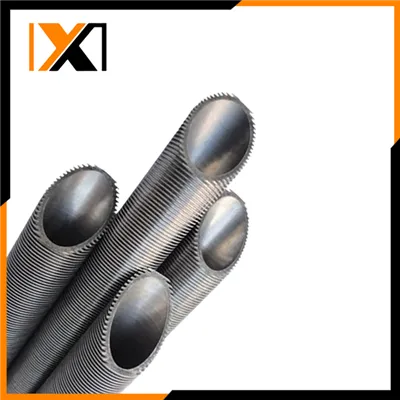
Straightness tolerance is a critical aspect when it comes to titanium tubes. As a trusted titanium tube supplier, I understand the importance of this parameter in various applications. In this blog, I'll delve into what straightness tolerance of titanium tubes means, its significance, how it's measured, and the factors that influence it.
What is Straightness Tolerance?
Straightness tolerance refers to the allowable deviation from a perfectly straight line along the length of a titanium tube. In the manufacturing process, achieving absolute straightness is nearly impossible due to various factors such as the properties of titanium itself, the manufacturing techniques employed, and handling during production and transportation. Therefore, a tolerance is defined to specify the acceptable range of deviation.
For titanium tubes, straightness tolerance is typically expressed in millimeters per meter (mm/m) or inches per foot (in/ft). For example, a straightness tolerance of 1 mm/m means that for every meter of the tube's length, the maximum deviation from a straight line should not exceed 1 millimeter. This tolerance is crucial as it ensures that the tube can be properly installed and function as intended in different systems.
Significance of Straightness Tolerance
The straightness tolerance of titanium tubes plays a vital role in numerous applications. In industries such as aerospace, automotive, and chemical processing, the precision of components is of utmost importance.
In aerospace applications, titanium tubes are often used in hydraulic systems, fuel lines, and structural components. A tube with poor straightness can lead to improper fitting, increased stress concentration, and potential leakage, which can compromise the safety and performance of the aircraft. For example, in a hydraulic system, a bent tube may cause uneven flow distribution, leading to reduced efficiency and potential damage to other components.
In the automotive industry, titanium tubes are used in exhaust systems, engine cooling systems, and suspension components. A straight tube ensures smooth fluid flow, reduces noise and vibration, and enhances the overall performance of the vehicle. If the straightness tolerance is not met, it can result in increased backpressure in the exhaust system, leading to reduced engine power and increased fuel consumption.
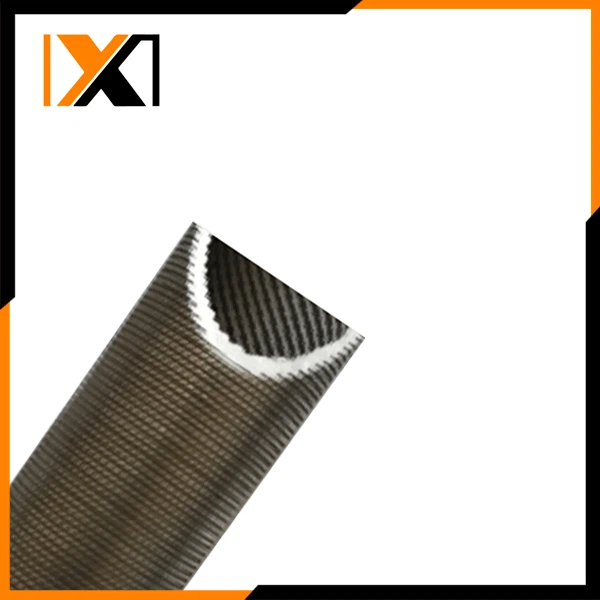
In chemical processing plants, titanium tubes are used in heat exchangers, condensers, and reactors. The straightness of the tubes is essential for proper heat transfer and fluid flow. A tube with excessive deviation from straightness can cause uneven distribution of the fluid, leading to reduced heat transfer efficiency and potential corrosion issues.

Measuring Straightness Tolerance
There are several methods to measure the straightness tolerance of titanium tubes. One of the most common methods is the use of a straightedge or a laser measurement system.
When using a straightedge, the tube is placed on a flat surface, and a straightedge is placed along the length of the tube. The gap between the straightedge and the tube is measured at various points using a feeler gauge. The maximum gap value represents the deviation from straightness. This method is relatively simple and cost - effective but may not be as accurate for small - diameter tubes or tubes with complex shapes.
Laser measurement systems, on the other hand, offer a more precise and automated way of measuring straightness. A laser beam is projected along the length of the tube, and sensors detect the position of the tube's surface relative to the laser beam. The data is then processed to calculate the straightness deviation. Laser measurement systems can provide highly accurate results, even for tubes with small diameters and tight tolerances.
Factors Influencing Straightness Tolerance
Several factors can influence the straightness tolerance of titanium tubes during the manufacturing process.
Material Properties: Titanium is a strong and lightweight metal with unique mechanical properties. Its high strength - to - weight ratio and corrosion resistance make it an ideal material for many applications. However, these properties also pose challenges during the manufacturing process. Titanium has a relatively low thermal conductivity, which can cause uneven heating and cooling during processing, leading to internal stresses and potential deformation.

Manufacturing Process: The manufacturing process of titanium tubes can significantly affect their straightness. Processes such as extrusion, drawing, and rolling can introduce stresses and deformations in the tube. For example, during extrusion, the tube is forced through a die, which can cause uneven flow of the material and result in a bent or curved tube. The speed, temperature, and pressure during the manufacturing process need to be carefully controlled to minimize these effects.
Heat Treatment: Heat treatment is often used to improve the mechanical properties of titanium tubes. However, improper heat treatment can also cause distortion and affect the straightness of the tube. If the tube is heated and cooled too quickly, it can develop internal stresses that lead to bending or warping. Therefore, precise control of the heat treatment parameters is essential to maintain the desired straightness tolerance.
Handling and Transportation: After manufacturing, the tubes need to be handled and transported carefully to avoid damage and deformation. Rough handling, improper storage, or excessive vibration during transportation can cause the tubes to bend or become misaligned. Therefore, proper packaging and handling procedures should be implemented to ensure that the tubes arrive at the customer's site in good condition.
Our Titanium Tube Products
As a titanium tube supplier, we offer a wide range of high - quality titanium tubes, including Titanium High Performance Condensing Tube, Titanium High Performance Evaporating Tube, and Sommth Titanium Tube. Our tubes are manufactured using advanced technology and strict quality control measures to ensure that they meet the required straightness tolerance and other specifications.
We understand that different applications have different requirements for straightness tolerance. That's why we work closely with our customers to understand their specific needs and provide customized solutions. Whether you need tubes with tight tolerances for aerospace applications or more relaxed tolerances for general industrial use, we can meet your requirements.
Contact Us for Procurement
If you are in the market for high - quality titanium tubes with precise straightness tolerance, we invite you to contact us for procurement. Our team of experts is ready to assist you in selecting the right tubes for your application and providing you with detailed technical support. We strive to offer competitive prices, excellent customer service, and timely delivery. Don't hesitate to reach out to us to discuss your titanium tube needs.

References
- ASME B31.3 Process Piping Code
- ASTM Standards for Titanium Tubes
- Aerospace Industry Guidelines for Tube Manufacturing and Installation