Pitting corrosion is a form of localized corrosion that leads to the creation of small holes in the metal. When it comes to copper nickel tubes, understanding their resistance to pitting corrosion is crucial, especially for industries that rely on these tubes for various applications. As a supplier of copper nickel tubes, I've had the opportunity to delve deep into the science behind their pitting corrosion resistance and witness their performance in real - world scenarios.
The Composition of Copper Nickel Tubes and Its Impact on Pitting Resistance
Copper nickel alloys, commonly referred to as cupronickel, are composed primarily of copper with varying amounts of nickel. The most common alloys used in tube manufacturing are Cu - Ni 90/10 (90% copper and 10% nickel) and Cu - Ni 70/30 (70% copper and 30% nickel). Nickel plays a vital role in enhancing the pitting corrosion resistance of these tubes.
When nickel is added to copper, it forms a passive film on the surface of the tube. This film is a thin layer of metal oxide that acts as a barrier between the metal and the corrosive environment. The presence of nickel in the alloy promotes the formation of a more stable and protective passive film compared to pure copper. This film is resistant to breakdown, which is essential in preventing the initiation of pitting corrosion.
In environments where chloride ions are present, such as seawater, the pitting corrosion resistance of copper nickel tubes becomes even more significant. Chloride ions are known to be aggressive towards many metals, as they can penetrate the passive film and initiate pitting. However, the passive film on copper nickel tubes is able to withstand the attack of chloride ions to a large extent. The nickel in the alloy helps to maintain the integrity of the film, preventing chloride ions from reaching the underlying metal.
Factors Affecting the Pitting Corrosion Resistance of Copper Nickel Tubes
Environmental Conditions
The environment in which the copper nickel tube operates has a profound impact on its pitting corrosion resistance. Seawater is one of the most challenging environments due to the high concentration of chloride ions. The temperature, pH, and flow rate of the seawater also play important roles. Higher temperatures can increase the rate of chemical reactions, potentially leading to more rapid breakdown of the passive film. However, copper nickel tubes have been shown to maintain good pitting resistance even at elevated temperatures.
The pH of the environment can also affect the pitting corrosion resistance. In general, copper nickel tubes perform well in a slightly alkaline to neutral pH range. Acidic conditions can dissolve the passive film, increasing the risk of pitting.
The flow rate of the fluid in contact with the tube is another critical factor. A moderate flow rate can help to remove any debris or deposits that may accumulate on the tube surface, which could otherwise lead to localized corrosion. However, extremely high flow rates can cause erosion - corrosion, which can also compromise the pitting resistance of the tube.
Tube Manufacturing Processes
The manufacturing processes used to produce copper nickel tubes can also influence their pitting corrosion resistance. The quality of the raw materials, the melting and casting processes, and the subsequent forming and finishing operations all play a role.
For example, proper control of the alloy composition during melting is essential to ensure the correct ratio of copper to nickel. Any impurities in the raw materials can also affect the formation and stability of the passive film. During the forming process, such as rolling or drawing, the tube should be processed under appropriate conditions to avoid introducing defects or stress concentrations that could act as initiation sites for pitting corrosion.
Real - World Applications and Performance
Copper nickel tubes are widely used in various industries, including marine, power generation, and desalination. In the marine industry, they are used for seawater cooling systems, condensers, and heat exchangers. The excellent pitting corrosion resistance of these tubes makes them ideal for these applications, as they can withstand the harsh conditions of seawater for extended periods.
In power generation plants, copper nickel tubes are used in condensers to transfer heat from the steam to the cooling water. The pitting resistance of these tubes ensures reliable operation and reduces the need for frequent maintenance and replacement.


In desalination plants, where the tubes are exposed to high - salt - content water, the pitting corrosion resistance of copper nickel tubes is crucial. They can withstand the aggressive environment and help to ensure the long - term efficiency of the desalination process.
Our Product Range and Their Pitting Resistance
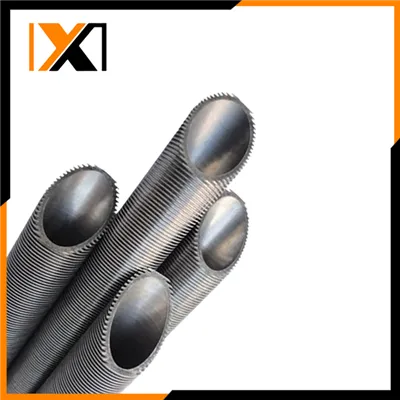
As a copper nickel tube supplier, we offer a wide range of products, each designed to meet specific application requirements. Our Copper Nickel High Performance Fin Tube is engineered to provide enhanced heat transfer performance while maintaining excellent pitting corrosion resistance. The fin design increases the surface area for heat transfer, and the copper nickel alloy composition ensures long - term durability in corrosive environments.
Our Nickel Condenser Tubes C70600 are specifically designed for use in condensers. These tubes are made from a high - quality Cu - Ni 70/30 alloy, which offers superior pitting corrosion resistance. They are suitable for use in power generation plants, where they are exposed to high - temperature and high - pressure steam and cooling water.
The Copper Nickel Inner Grooved Tube is another product in our range. The inner grooves increase the heat transfer efficiency, and the copper nickel alloy provides excellent pitting resistance. This tube is commonly used in heat exchangers and refrigeration systems.
Contact Us for Your Copper Nickel Tube Needs
If you are in need of high - quality copper nickel tubes with excellent pitting corrosion resistance, we are here to help. Our team of experts can provide you with detailed information about our products, their performance, and how they can meet your specific requirements. Whether you are in the marine, power generation, or desalination industry, we have the right copper nickel tube solution for you. Contact us today to start a discussion about your procurement needs and explore how our products can benefit your operations.
References
- Uhlig, H. H., & Revie, R. W. (1985). Corrosion and Corrosion Control: An Introduction to Corrosion Science and Engineering. Wiley - Interscience.
- Fontana, M. G. (1986). Corrosion Engineering. McGraw - Hill.
- ASTM International. (2019). Standard Specification for Seamless Copper - Nickel Alloy Pipe and Tube. ASTM B466/B466M - 19.