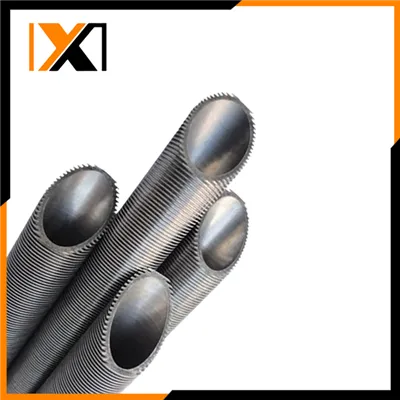
Hey there! As a supplier of titanium ordinary low fin tubes, I often get asked about the pressure resistance of these tubes. So, I thought I'd share some insights with you in this blog post.
Let's start by understanding what titanium ordinary low fin tubes are. These tubes are made of titanium, a super - strong and corrosion - resistant metal. The "low fin" part means they have small fins on the outside. These fins increase the surface area, which is great for heat transfer applications. You can find them in a bunch of industries, like chemical processing, power generation, and HVAC systems.
Now, onto the big question: what's the pressure resistance of titanium ordinary low fin tubes? Well, it depends on several factors. First off, the grade of titanium matters a lot. Titanium comes in different grades, each with its own set of properties. Grade 2 titanium is a popular choice for these tubes. It's known for its good corrosion resistance and decent strength. Grade 5 titanium, on the other hand, is much stronger. It contains some alloying elements like aluminum and vanadium, which boost its mechanical properties. So, if you need a tube that can handle high pressure, Grade 5 might be a better option.


The wall thickness of the tube also plays a crucial role. A thicker - walled tube can generally withstand more pressure. When we manufacture these tubes, we can adjust the wall thickness according to the customer's requirements. But keep in mind, a thicker wall also means more material, which can increase the cost.
The design of the fins can also have an impact on pressure resistance. If the fins are too tall or too closely spaced, they might cause stress concentrations. This can weaken the tube and reduce its ability to handle pressure. That's why we carefully design the fin geometry to ensure optimal performance.
In general, titanium ordinary low fin tubes can handle a wide range of pressures. For low - pressure applications, say up to 10 bar, most standard tubes can do the job just fine. But for high - pressure applications, like those in some chemical reactors where pressures can reach 100 bar or more, we need to use high - strength grades and appropriate wall thicknesses.
To give you an idea of how our tubes compare to other types of tubes, let's take a look at some alternatives. Sommth Titanium Tube is a smooth - walled titanium tube. While it has its own advantages, like being easier to clean, it might not have the same heat - transfer efficiency as our low fin tubes. On the other hand, Titanium High Performance Condensing Tube is designed specifically for condensing applications. It's optimized for heat transfer during condensation, but its pressure - handling capabilities might be different depending on its design. And if you're interested in seamless tubes, check out Titanium Pipe Seamless Tube With Titanium Tube Price. Seamless tubes often have better pressure resistance because there are no welds, which can be potential weak points.
When it comes to testing the pressure resistance of our titanium ordinary low fin tubes, we follow strict industry standards. We use hydraulic testing equipment to apply pressure to the tubes and monitor their performance. We also conduct non - destructive testing methods, like ultrasonic testing, to check for any internal defects that could affect pressure resistance.
One of the great things about titanium is its ability to maintain its properties over a wide temperature range. This means that even if the pressure changes due to temperature variations in your application, our tubes are likely to hold up well. For example, in a power generation plant where the temperature can fluctuate significantly, titanium tubes can handle the pressure changes without failing.
Another advantage of using titanium ordinary low fin tubes is their long - term durability. Since titanium is highly corrosion - resistant, it won't rust or corrode over time. This means that the pressure resistance of the tube won't degrade due to corrosion. In contrast, steel tubes, which are often used in similar applications, can corrode, especially in harsh environments. This corrosion can weaken the tube and reduce its pressure - handling ability.
If you're in the market for tubes that can handle pressure and offer excellent heat transfer, our titanium ordinary low fin tubes are a great choice. We've been in the business for a long time, and we know how to make tubes that meet your specific needs. Whether you need a tube for a small - scale HVAC system or a large - scale industrial application, we can customize the tube to fit your requirements.
We understand that every customer's situation is different. That's why we offer a wide range of options in terms of grade, wall thickness, and fin design. We can work with you to determine the best combination for your application. And if you have any questions or need more information, our team of experts is always here to help.
So, if you're interested in learning more about our titanium ordinary low fin tubes or want to discuss your pressure - handling requirements, don't hesitate to reach out. We're eager to have a chat with you and see how we can help you with your project. Whether you're just starting to plan or you're ready to place an order, we're here to support you every step of the way.
In conclusion, the pressure resistance of titanium ordinary low fin tubes depends on factors like titanium grade, wall thickness, and fin design. With the right combination, these tubes can handle a wide range of pressures in various applications. If you're looking for a reliable tube solution, give us a chance to show you what we can do.
References:
- "Titanium Alloys: Properties, Processing, and Applications" - A comprehensive book on titanium materials and their uses.
- Industry standards for pressure testing of tubes, such as ASME Boiler and Pressure Vessel Code.