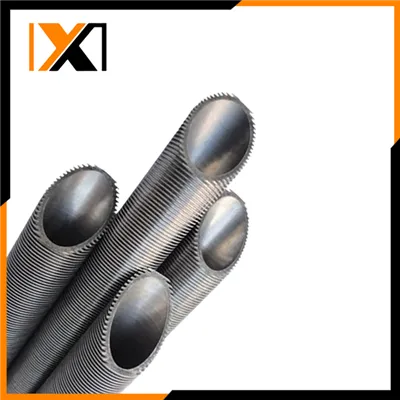
Hey there! As a stainless steel tube supplier, I've seen firsthand the crucial role alloying elements play in shaping the properties of stainless steel tubes. In this blog, I'm gonna break down how these elements impact the tubes, and why it matters for your projects.

Chromium: The Rust - Fighter
Let's start with chromium. It's like the superhero of alloying elements in stainless steel tubes. Chromium forms a thin, invisible, and self - healing oxide layer on the surface of the steel. This layer is what gives stainless steel its famous corrosion resistance. When oxygen in the air comes in contact with the steel, it reacts with the chromium to form chromium oxide. If this oxide layer gets scratched or damaged, it can reform as long as there's enough chromium and oxygen around.
The amount of chromium in stainless steel tubes usually ranges from about 10.5% to 30%. Tubes with a higher chromium content are generally more resistant to corrosion. They're perfect for applications where the tubes will be exposed to harsh environments, like in chemical processing plants or coastal areas where there's a lot of salt in the air.
For example, Customized High Quality Stainless Steel Fluid Conveying Pipes often have a significant amount of chromium. This makes them suitable for carrying various fluids, including corrosive ones, without getting damaged easily.
Nickel: The Flexibility Booster
Nickel is another important alloying element. It austenitizes the steel, which means it helps to form a particular type of crystal structure called austenite. Austenitic stainless steel tubes are really important because they have excellent ductility and toughness. They can be bent and formed into different shapes without cracking.
Nickel also improves the corrosion resistance of stainless steel, especially in acidic environments. It enhances the stability of the passive oxide layer formed by chromium. Stainless steel tubes with a good amount of nickel are commonly used in food processing equipment. Since food - contact materials need to be non - reactive and easy to clean, the corrosion resistance and formability provided by nickel - containing stainless steel are a huge plus.
Speaking of which, China Stainless Steel Tube 304 Pipe Stainless Steel typically contains around 8 - 10.5% nickel. This type of tube is widely used in applications like kitchen appliances and architectural structures because of its combination of corrosion resistance and formability.
Molybdenum: The Pitting Protector
Molybdenum is added to stainless steel tubes to enhance their resistance to pitting and crevice corrosion. Pitting corrosion is when small holes form on the surface of the steel, and crevice corrosion occurs in areas where there are gaps or tight spaces, like at the joints of tubes.
Molybdenum works by increasing the stability of the passive oxide layer and making it more resistant to breakdown in chloride - containing environments. If you're using stainless steel tubes in seawater, for instance, or in a chemical plant where there are chloride - based chemicals, tubes with molybdenum are a great choice.
Hot - rolled stainless steel tubes, like Hot Rolled Stainless Steel Pipe 304, sometimes have a small amount of molybdenum added to improve their corrosion resistance in more challenging conditions.
Nitrogen: The Strength Enhancer
Nitrogen is a relatively inexpensive alloying element that can have a big impact on the properties of stainless steel tubes. It helps to increase the strength of the steel without sacrificing too much ductility. Nitrogen also improves the corrosion resistance of stainless steel, especially in environments with high chloride concentrations.
By adding nitrogen, we can make stainless steel tubes stronger and more resistant to corrosion. This is beneficial for applications where the tubes need to withstand high pressures or harsh chemical environments, such as in the oil and gas industry.
Other Alloying Elements
There are also some other alloying elements that can be added to stainless steel tubes in smaller amounts. For example, titanium and niobium can be added to stabilize the carbon in the steel. This helps to prevent the formation of chromium carbides, which can reduce the corrosion resistance of the steel.
Copper can be added to improve the formability and resistance to certain acids. And silicon can be used to increase the strength and oxidation resistance of the steel.
Impact on Different Applications
The combination of these alloying elements determines the properties of stainless steel tubes, which in turn affects their suitability for different applications.
In the automotive industry, stainless steel tubes are used for exhaust systems. Tubes with good heat resistance and corrosion resistance are required because they are exposed to high - temperature exhaust gases and road salt. Alloying elements like chromium, nickel, and molybdenum can ensure that the tubes can withstand these harsh conditions.
In the medical field, stainless steel tubes are used for surgical instruments and medical devices. Tubes need to be highly corrosion - resistant, biocompatible, and easy to sterilize. The right combination of alloying elements can make stainless steel tubes meet these requirements.
Why It Matters for You
As a buyer, understanding the impact of alloying elements on stainless steel tubes helps you make the right choice for your project. If you need tubes for a corrosive environment, you'll want to look for tubes with a high chromium and molybdenum content. If you need tubes that can be easily formed, then tubes with a good amount of nickel are a better option.
So, if you're in the market for stainless steel tubes, and want to discuss your specific requirements, feel free to reach out. We've got a wide range of stainless steel tubes with different alloy compositions to meet your needs. Whether it's for a small - scale DIY project or a large - scale industrial application, we can help you find the right tubes.
Let's have a chat about your project and figure out the best stainless steel tubes for you.
References
- ASM Handbook Committee. (2009). ASM Handbook: Stainless Steels. ASM International.
- Olson, D. L., & DeArdo, A. J. (1995). Stainless Steels. In Metals Handbook Desk Edition (2nd ed., pp. 396 - 421). ASM International.