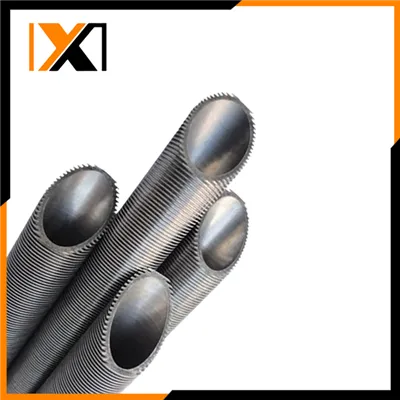
Yo, what's up everyone! As a supplier of copper tube and copper alloy tube, I've always been super into the history of these bad boys. It's like taking a trip back in time to see how these tubes have shaped our world. So, let's dive right in and explore the amazing journey of copper tube and copper alloy tube.
Ancient Beginnings
Copper has been around for ages, like seriously ages. Archaeologists have found evidence that humans were using copper as far back as 8000 BC. Back then, they were mainly using it to make simple tools and jewelry. But it wasn't long before people realized that copper could be shaped into tubes.
In ancient Egypt, around 3000 BC, copper tubes were used for plumbing. Can you believe that? They were pumping water and even using it for irrigation. These early copper tubes were probably pretty basic, but they were a huge step forward in technology.
The Romans also loved copper. They used it for all sorts of things, including aqueducts. These massive structures transported water all over the empire. Copper tubes were used to connect different parts of the aqueducts, ensuring a steady flow of water to the cities. It's crazy to think that these ancient civilizations were using copper tubes in such sophisticated ways.
The Middle Ages and Renaissance
During the Middle Ages, the use of copper tubes continued, but the technology didn't really advance much. It was more about maintaining what was already there. However, with the Renaissance came a renewed interest in science and technology.
Artisans and inventors started to experiment with copper alloys. By adding other metals like tin, zinc, and nickel, they could create stronger and more durable tubes. These copper alloy tubes were used in a variety of industries, including shipbuilding and firearms manufacturing.
In the 16th century, copper tubes were also used in the production of musical instruments. Brass, which is a copper-zinc alloy, became popular for making trumpets, trombones, and other brass instruments. The unique sound quality of these instruments was due in part to the properties of the copper alloy tubes.
The Industrial Revolution
The Industrial Revolution was a game-changer for copper tube and copper alloy tube production. With the invention of new manufacturing processes, it became possible to produce tubes on a much larger scale.
One of the most important developments was the invention of the continuous casting process. This allowed for the production of long, seamless copper tubes. These tubes were stronger and more reliable than the old-fashioned welded tubes.
The demand for copper tubes skyrocketed during the Industrial Revolution. They were used in steam engines, boilers, and electrical wiring. Copper's excellent conductivity made it the perfect material for these applications.
Modern Times
In the 20th century, the use of copper tube and copper alloy tube continued to expand. With the development of new technologies, such as refrigeration and air conditioning, the demand for these tubes increased even further.
Today, copper tubes are used in a wide range of industries, including construction, automotive, and medical. For example, Medical Copper Pipe For Medical Gas is used to transport medical gases in hospitals and clinics. These tubes are specially designed to meet the strict safety and hygiene standards of the medical industry.


Another important application is in air conditioning systems. Pipes For Air Conditioning Copper Tube C68700 are used to transfer refrigerant between the indoor and outdoor units. Copper's high thermal conductivity makes it an ideal material for this application, as it allows for efficient heat transfer.
In the medical field, Medical Copper Pipe For C12200 is also widely used. This type of copper alloy has excellent corrosion resistance and is suitable for use in a variety of medical applications.
Why Copper Tube and Copper Alloy Tube are So Great
There are several reasons why copper tube and copper alloy tube are so popular. First of all, copper is a highly conductive metal. This means that it can transfer heat and electricity very efficiently. In applications like electrical wiring and heat exchangers, this is a huge advantage.
Secondly, copper is very durable. It can withstand high temperatures, pressure, and corrosion. This makes it suitable for use in harsh environments, such as chemical plants and offshore oil rigs.
Finally, copper is a recyclable material. This means that it can be reused over and over again, reducing the environmental impact of manufacturing.
Conclusion
So, there you have it, the history of using copper tube and copper alloy tube. From the ancient Egyptians to modern-day industries, these tubes have played a crucial role in the development of human civilization.
As a supplier of copper tube and copper alloy tube, I'm proud to be part of this industry. We offer a wide range of products to meet the needs of our customers. Whether you're in the construction, automotive, or medical industry, we have the right tube for you.
If you're interested in learning more about our products or have any questions, please don't hesitate to contact us. We're always happy to help and look forward to discussing your requirements for a potential purchase. Let's work together to find the perfect copper tube and copper alloy tube solutions for your business.
References
- "A History of Copper" by the Copper Development Association
- "The Industrial Revolution and the Growth of the Copper Industry" by John Smith
- "Copper Tubes in Modern Engineering" by Mary Johnson