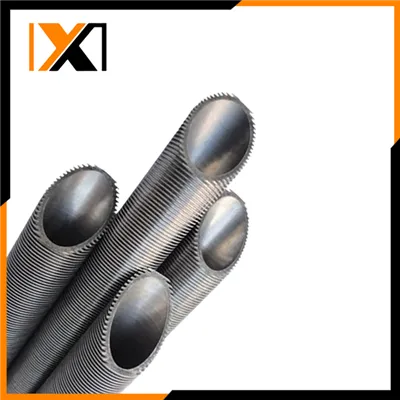
As a stainless steel tube supplier, I've encountered numerous inquiries from clients regarding the differences between seamless and welded stainless steel tubes. In this blog, I'll delve into the key disparities, highlighting their respective characteristics, manufacturing processes, applications, and advantages. Understanding these differences will empower you to make informed decisions when selecting the most suitable stainless steel tubes for your projects.
Manufacturing Processes
The primary difference between seamless and welded stainless steel tubes lies in their manufacturing processes.
Seamless tubes are produced from solid steel billets. The billets are heated to a high temperature and then pierced through the center to create a hollow tube. This process is typically carried out using a rotary piercing mill or a press. The resulting tube has a uniform wall thickness and no weld seam, which gives it a smooth interior surface.
On the other hand, welded tubes are made by rolling a flat steel strip into a tubular shape and then welding the edges together. There are several welding methods available, including electric resistance welding (ERW), submerged arc welding (SAW), and gas tungsten arc welding (GTAW). Each method has its own advantages and is suitable for different applications.
Structural Integrity
One of the most significant advantages of seamless tubes is their superior structural integrity. Since there is no weld seam, seamless tubes are less prone to stress concentration and cracking. This makes them ideal for applications where high pressure and temperature are involved, such as in the oil and gas industry, power generation, and chemical processing.
Welded tubes, while generally strong and reliable, have a weld seam that can be a potential weak point. However, advancements in welding technology have significantly improved the quality of welded tubes, and they are now widely used in a variety of applications. The strength of a welded tube depends on the quality of the weld and the type of welding method used.
Surface Finish
Seamless tubes typically have a smoother interior surface compared to welded tubes. This is because there is no weld seam to cause irregularities. A smooth interior surface is beneficial in applications where fluid flow is critical, such as in plumbing, HVAC systems, and food processing. It reduces friction and minimizes the risk of sediment buildup, which can improve the efficiency and longevity of the system.
Welded tubes may have a slightly rougher interior surface due to the presence of the weld seam. However, this can be mitigated through post-weld processing, such as grinding or polishing, to achieve a smoother finish.
Cost
Cost is often a major consideration when choosing between seamless and welded stainless steel tubes. Seamless tubes are generally more expensive than welded tubes due to their more complex manufacturing process and higher raw material requirements. The production of seamless tubes involves more steps and requires specialized equipment, which adds to the cost.
Welded tubes, on the other hand, are more cost-effective because they are made from flat steel strips, which are generally less expensive than solid billets. The welding process is also relatively simpler and more efficient, resulting in lower production costs.
Applications
The choice between seamless and welded stainless steel tubes depends largely on the specific application. Here are some common applications for each type:
Seamless Tubes
- Oil and Gas Industry: Seamless tubes are widely used in the oil and gas industry for drilling, production, and transportation. They are suitable for high-pressure and high-temperature applications, such as well casings, pipelines, and refinery equipment.
- Power Generation: In power plants, seamless tubes are used in boilers, heat exchangers, and steam turbines. Their ability to withstand high pressure and temperature makes them essential for efficient power generation.
- Automotive Industry: Seamless tubes are used in the automotive industry for exhaust systems, fuel injection systems, and suspension components. Their high strength and corrosion resistance make them ideal for these applications.
Welded Tubes
- Construction: Welded tubes are commonly used in construction for structural purposes, such as building frames, bridges, and scaffolding. They are also used in plumbing and HVAC systems.
- Furniture and Decor: Welded tubes are popular in the furniture and decor industry for making chairs, tables, and decorative items. Their versatility and cost-effectiveness make them a preferred choice for these applications.
- Food and Beverage Industry: Welded tubes are used in the food and beverage industry for conveying fluids, such as milk, juice, and beer. Their smooth interior surface and corrosion resistance make them suitable for maintaining the hygiene and quality of the products.
Conclusion
In conclusion, both seamless and welded stainless steel tubes have their own unique characteristics and advantages. Seamless tubes offer superior structural integrity, a smoother surface finish, and are suitable for high-pressure and high-temperature applications. Welded tubes, on the other hand, are more cost-effective and are widely used in a variety of applications where strength and corrosion resistance are required.
As a stainless steel tube supplier, I can provide you with a wide range of seamless and welded stainless steel tubes to meet your specific needs. Whether you are looking for Hot Rolled Stainless Steel Pipe 304, China Stainless Steel Tube 304 Pipe Stainless Steel, or Customized High Quality Stainless Steel Fluid Conveying Pipes, I can help you find the right solution.

If you have any questions or need further information, please feel free to contact me. I'm here to assist you in making the best choice for your projects. Let's discuss your requirements and find the perfect stainless steel tubes together.
References
- ASME Boiler and Pressure Vessel Code
- ASTM International Standards for Stainless Steel Tubes
- The Welding Institute (TWI) Publications