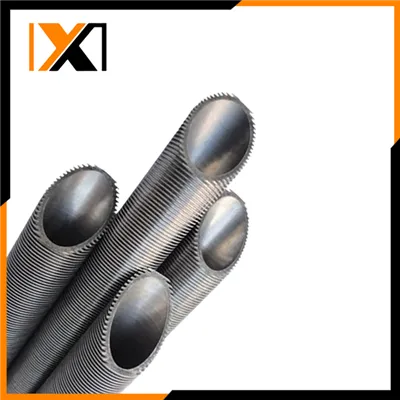
As a seasoned supplier of copper nickel tubes, I'm excited to share an in - depth exploration of what goes into the composition of these remarkable tubes. Copper nickel tubes, also known as cupronickel tubes, have a wide range of applications due to their unique combination of properties, which are directly related to their composition.
The Primary Components
Copper (Cu)
Copper is the base metal in copper nickel tubes. It brings several essential characteristics to the alloy. First and foremost, copper is an excellent conductor of heat and electricity. This property makes copper nickel tubes highly suitable for applications where efficient heat transfer is required, such as in heat exchangers and condensers.
From a corrosion - resistance perspective, copper forms a thin oxide layer on its surface when exposed to air. This layer acts as a protective barrier, preventing further oxidation and corrosion. In addition, copper has inherent antimicrobial properties, which can be beneficial in applications where hygiene is crucial, like in some water - handling systems.
Nickel (Ni)
Nickel is the second most significant component in copper nickel tubes. The addition of nickel significantly enhances the corrosion resistance of the alloy. Nickel has a high affinity for oxygen, and it forms a stable passive film on the surface of the tube, especially in marine and other aggressive environments. This passive film is highly resistant to pitting, crevice corrosion, and stress - corrosion cracking.
In terms of mechanical properties, nickel increases the strength and ductility of the copper nickel alloy. It allows the tubes to withstand higher pressures and mechanical stresses without deforming or failing. Nickel also improves the alloy's resistance to high - temperature oxidation, making copper nickel tubes suitable for use in high - temperature applications.
Common Alloys and Their Compositions
90/10 Copper Nickel (Cu - 10Ni)
This alloy consists of approximately 90% copper and 10% nickel, with small amounts of other elements such as iron (Fe) and manganese (Mn). The addition of iron in small quantities (usually around 1 - 2%) helps to enhance the corrosion resistance of the alloy, especially in seawater. Manganese, typically in the range of 0.5 - 1%, improves the mechanical properties and also contributes to the formation of a more stable passive film.
The 90/10 copper nickel alloy is widely used in marine applications, such as shipbuilding for seawater piping systems, condensers, and heat exchangers in power plants located near the sea. Its excellent corrosion resistance in seawater makes it a cost - effective choice for these applications.
70/30 Copper Nickel (Cu - 30Ni)
As the name suggests, this alloy contains about 70% copper and 30% nickel, along with small amounts of iron and manganese. The higher nickel content in the 70/30 copper nickel alloy provides even better corrosion resistance than the 90/10 alloy, especially in more severe marine and industrial environments.
It is commonly used in applications where long - term durability and high - performance are required, such as in offshore oil and gas platforms, desalination plants, and chemical processing industries. The 70/30 copper nickel tubes can withstand more aggressive chemical environments and higher temperatures compared to the 90/10 alloy.
Other Minor Elements
Iron (Fe)
As mentioned earlier, iron is often added to copper nickel alloys in small amounts. Iron helps to form a more adherent and protective passive film on the surface of the tube. In seawater, the iron in the alloy reacts with oxygen and other ions in the water to form iron oxides and hydroxides, which become part of the passive film. This film provides additional protection against corrosion, especially in areas where the flow of seawater is turbulent.
Manganese (Mn)
Manganese is another important minor element in copper nickel tubes. It acts as a deoxidizer during the manufacturing process, removing oxygen from the molten alloy and preventing the formation of porosity and other defects in the tubes. Manganese also improves the hot - working properties of the alloy, making it easier to form the tubes through processes like extrusion and rolling.
Chromium (Cr)
In some advanced copper nickel alloys, chromium may be added in small amounts. Chromium further enhances the corrosion resistance of the alloy, especially in environments containing sulfur - containing compounds. It helps to form a more stable and protective passive film, which can withstand the attack of sulfur - based acids and other corrosive agents.
Applications Based on Composition
The unique composition of copper nickel tubes makes them suitable for a wide range of applications.
Marine Applications
In the marine industry, copper nickel tubes are extensively used due to their excellent corrosion resistance in seawater. For example, in shipbuilding, they are used for seawater cooling systems, condensers, and heat exchangers. The 90/10 and 70/30 copper nickel alloys can withstand the harsh conditions of the marine environment, including the presence of salt, oxygen, and various marine organisms. You can explore more about our high - performance copper nickel tubes for marine applications, such as the Copper Nickel Pool Boiling Evaporator Tube.
Power Generation
In power plants, copper nickel tubes are used in heat exchangers and condensers. They can efficiently transfer heat from steam to cooling water, and their corrosion resistance ensures a long service life. The high thermal conductivity of the alloy allows for efficient energy transfer, which is crucial for the overall efficiency of the power generation process. Our Copper Nickel High Performance Evaporating Tube is designed to meet the demanding requirements of power generation applications.
Water Treatment
Copper nickel tubes are also used in water treatment plants. Their antimicrobial properties help to prevent the growth of bacteria and other microorganisms in the water. In addition, their corrosion resistance ensures that the tubes do not contaminate the water with metal ions. The tubes can be used in various water - handling systems, such as in the intake and distribution of water. For specific applications in water treatment, our Copper Nickel Falling Film Evaporator Tube offers excellent performance.
Conclusion
The composition of copper nickel tubes is a carefully balanced combination of copper, nickel, and other minor elements. Each component plays a crucial role in determining the properties and performance of the tubes. Whether it's the corrosion resistance in aggressive environments, the high thermal conductivity for efficient heat transfer, or the mechanical strength to withstand high pressures, the composition of the alloy is what makes copper nickel tubes a versatile and reliable choice for a wide range of applications.


If you are in need of high - quality copper nickel tubes for your specific application, we are here to provide you with the best solutions. Our team of experts can help you select the most suitable alloy and tube specifications based on your requirements. Feel free to contact us for more information and to start a procurement discussion.
References
- "Copper and Copper Alloys: Properties and Applications" by ASM International.
- "Handbook of Corrosion Data" by Bruce D. Craig.
- "Materials Science and Engineering: An Introduction" by William D. Callister, Jr. and David G. Rethwisch.