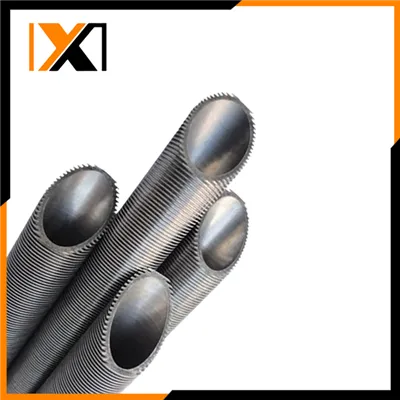
When it comes to selecting a smooth titanium tube, there are numerous factors that one should take into account. As a supplier of smooth titanium tubes, I've had the opportunity to interact with a wide range of customers, each with their own unique requirements. In this blog, I'll delve into the key factors that should guide your decision - making process.
Material Quality
The quality of the titanium material is of paramount importance. Titanium is available in different grades, each with distinct chemical compositions and properties. For instance, Grade 2 titanium is known for its excellent corrosion resistance and good formability, making it suitable for a variety of applications such as heat exchangers and chemical processing equipment. On the other hand, Grade 5 titanium, also known as Ti - 6Al - 4V, is a high - strength alloy that offers enhanced mechanical properties and is often used in aerospace and marine applications.
When choosing a smooth titanium tube, it's crucial to ensure that the material meets the required industry standards. Reputable suppliers should be able to provide certification of the material's grade and quality. This certification serves as proof that the tube has been manufactured using the correct alloy and has undergone the necessary testing to meet specific criteria. For high - performance applications, you might want to consider Titanium High Performance Condensing Tube 1, which is engineered to deliver exceptional performance in demanding environments.
Tube Dimensions
The dimensions of the smooth titanium tube play a significant role in its suitability for a particular application. The outer diameter (OD), inner diameter (ID), and wall thickness are the primary dimensions to consider.
The OD of the tube should match the requirements of the system in which it will be installed. For example, if the tube is to be used in a heat exchanger, the OD must be compatible with the tube sheet holes to ensure a proper fit. Similarly, the ID of the tube affects the flow rate of the fluid or gas passing through it. A larger ID allows for a higher flow rate, while a smaller ID may be necessary for applications where precise control of the flow is required.
The wall thickness of the tube is also critical. A thicker wall provides greater strength and durability, which is essential for applications where the tube will be subjected to high pressures or mechanical stresses. However, a thicker wall also increases the weight and cost of the tube. Therefore, it's important to strike a balance between strength and cost when selecting the wall thickness. Our Sommth Titanium Tube comes in a variety of dimensions to meet the diverse needs of our customers.
Surface Finish
The surface finish of a smooth titanium tube can have a significant impact on its performance. A smooth surface finish reduces friction, which is beneficial for applications involving fluid flow. It also helps to prevent the accumulation of debris and contaminants on the tube surface, which can lead to corrosion and reduced efficiency.
There are different levels of surface smoothness available, ranging from a basic mill finish to highly polished finishes. For applications where hygiene is a concern, such as in the food and beverage or pharmaceutical industries, a polished finish is often preferred. A polished surface is easier to clean and sanitize, reducing the risk of bacterial growth.
In addition to smoothness, the surface finish should also be free of defects such as scratches, pits, and cracks. These defects can act as stress concentrators, increasing the likelihood of tube failure under stress. When evaluating the surface finish, it's important to inspect the tube carefully or request samples from the supplier to assess the quality.
Corrosion Resistance
One of the main advantages of using titanium tubes is their excellent corrosion resistance. Titanium forms a passive oxide layer on its surface, which protects it from corrosion in a wide range of environments, including seawater, acids, and alkalis.
However, the level of corrosion resistance can vary depending on the grade of titanium and the specific environment. For example, in highly corrosive environments such as those containing strong acids or high - chloride solutions, a higher - grade titanium alloy may be required. It's important to understand the chemical composition of the environment in which the tube will be used and select a tube with the appropriate corrosion resistance.
Before making a decision, it's advisable to consult with the supplier or conduct corrosion testing to ensure that the tube will perform well in the intended environment. Our Titanium High Performance Condensing Tube is designed to offer superior corrosion resistance, making it suitable for challenging applications.
Mechanical Properties
The mechanical properties of the smooth titanium tube, such as tensile strength, yield strength, and elongation, are crucial for determining its performance under load. Tensile strength refers to the maximum amount of stress that the tube can withstand before breaking, while yield strength is the stress at which the tube begins to deform plastically.
Elongation is a measure of the tube's ability to stretch before breaking. A higher elongation indicates greater ductility, which is important for applications where the tube may need to be bent or formed without cracking.
These mechanical properties can be affected by the grade of titanium, the manufacturing process, and any heat treatment that the tube has undergone. When selecting a tube, it's important to ensure that the mechanical properties meet the requirements of the application. For example, in structural applications, a tube with high tensile and yield strengths is necessary to support the load.
Manufacturing Process
The manufacturing process used to produce the smooth titanium tube can have a significant impact on its quality and performance. There are several methods of manufacturing titanium tubes, including seamless and welded processes.
Seamless tubes are produced by piercing a solid billet of titanium and then rolling it into a tube shape. This process results in a tube with a uniform wall thickness and excellent mechanical properties. Seamless tubes are often preferred for applications where high pressure and reliability are required, such as in the oil and gas industry.
Welded tubes, on the other hand, are made by welding a strip of titanium into a tube shape. Welded tubes can be more cost - effective than seamless tubes, especially for larger diameters. However, the quality of the weld is crucial, as a poor - quality weld can lead to weaknesses in the tube. When choosing a welded tube, it's important to ensure that the welding process is of high quality and that the tube has been properly inspected for weld defects.
Cost
Cost is always a consideration when choosing a smooth titanium tube. The price of the tube can be influenced by several factors, including the grade of titanium, the dimensions, the surface finish, and the manufacturing process.
Higher - grade titanium alloys are generally more expensive than lower - grade alloys due to their superior properties. Similarly, tubes with larger diameters, thicker walls, or a high - quality surface finish will also cost more. Seamless tubes are typically more expensive than welded tubes because of the more complex manufacturing process.
While it's important to consider cost, it's equally important not to compromise on quality. Choosing a low - cost tube that does not meet the required specifications can lead to premature failure and additional costs in the long run. It's advisable to compare prices from different suppliers and evaluate the overall value of the tube in terms of its quality and performance.
Supplier Reputation
The reputation of the supplier is a key factor in the selection process. A reliable supplier will have a track record of providing high - quality products and excellent customer service. They should be able to offer technical support and advice to help you choose the right tube for your application.
Look for suppliers who are certified to industry standards, such as ISO 9001, which indicates that they have a quality management system in place. You can also check customer reviews and testimonials to get an idea of the supplier's reputation. A good supplier will stand behind their products and be willing to address any issues that may arise.


As a supplier of smooth titanium tubes, I understand the importance of these factors and strive to provide our customers with the best possible products. If you're in the process of choosing a smooth titanium tube for your application, I encourage you to contact us to discuss your requirements. Our team of experts is ready to assist you in making the right decision and can provide you with samples and detailed product information. Whether you need a tube for a small - scale project or a large - scale industrial application, we have the expertise and resources to meet your needs.
In conclusion, choosing a smooth titanium tube requires careful consideration of multiple factors, including material quality, tube dimensions, surface finish, corrosion resistance, mechanical properties, manufacturing process, cost, and supplier reputation. By taking the time to evaluate these factors, you can ensure that you select a tube that will perform well in your application and provide long - term value. If you have any questions or would like to discuss your specific requirements, please don't hesitate to reach out for a procurement discussion.
References
- ASM Handbook Volume 2: Properties and Selection: Nonferrous Alloys and Special - Purpose Materials.
- Titanium: A Technical Guide, Second Edition by Don Eylon.
- ASTM Standards for Titanium and Titanium Alloys.