As a copper nickel tube supplier, I've been keeping a close eye on the latest trends and research in the industry. Copper nickel tubes, known for their excellent corrosion resistance, thermal conductivity, and mechanical properties, are widely used in various sectors such as marine, power generation, and desalination. In this blog, I'll share some of the key research and development directions of copper nickel tubes that I think are worth paying attention to.
1. Enhanced Corrosion Resistance
One of the primary advantages of copper nickel tubes is their corrosion resistance. However, in some harsh environments, such as those with high salinity, acidic conditions, or the presence of aggressive chemicals, even copper nickel tubes can face corrosion challenges. Researchers are constantly working on improving the corrosion resistance of these tubes.
One approach is through alloy modification. By adding small amounts of other elements like chromium, molybdenum, or titanium, the structure and properties of the copper nickel alloy can be optimized. These additional elements can form a more stable and protective oxide layer on the tube surface, which acts as a barrier against corrosive agents. For example, in marine applications where copper nickel tubes are exposed to seawater, an improved alloy can significantly extend the service life of the tubes, reducing maintenance costs and downtime.
Another area of research is surface treatment. Technologies like passivation, coating, and electroplating can be used to enhance the tube's resistance to corrosion. A well - applied coating can provide an extra layer of protection, preventing direct contact between the tube and the corrosive environment. Some advanced coatings are designed to be self - healing, which means they can repair minor damages on their own, further improving the long - term corrosion resistance of the copper nickel tubes. You can check out our Copper Nickel High Performance Condensing Tube which is designed with advanced corrosion - resistant features.
2. Improved Heat Transfer Efficiency
In many applications, such as heat exchangers in power plants and refrigeration systems, the heat transfer efficiency of copper nickel tubes is crucial. Higher heat transfer efficiency means better energy utilization and lower operating costs.
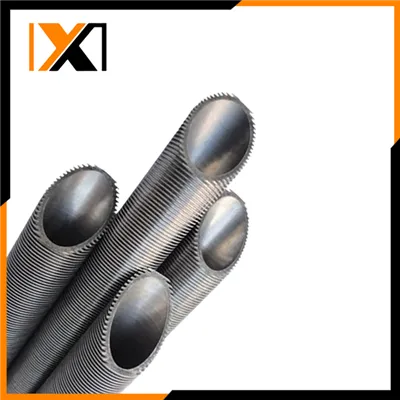
One way to improve heat transfer is by modifying the tube's internal and external surface geometries. For instance, finned tubes are a popular solution. By adding fins to the tube surface, the heat transfer area is increased, allowing for more efficient heat exchange between the fluid inside the tube and the surrounding medium. Our Copper Nickel Pool Boiling Evaporator Tube features a specially designed fin structure that enhances the heat transfer performance during the boiling process.
Another research direction is related to the fluid dynamics inside the tubes. By optimizing the tube diameter, length, and flow rate, the flow pattern of the fluid can be improved. Turbulent flow, for example, can enhance heat transfer compared to laminar flow. Researchers are also exploring the use of nanofluids in combination with copper nickel tubes. Nanofluids, which are fluids containing nanoparticles, have shown potential to improve heat transfer due to their enhanced thermal conductivity. However, more research is needed to fully understand the long - term effects of nanofluids on copper nickel tubes, such as potential erosion or fouling.
3. Energy - Efficient Manufacturing Processes
The manufacturing process of copper nickel tubes also plays a significant role in the overall sustainability and cost - effectiveness of the product. Traditional manufacturing methods can be energy - intensive and may generate a significant amount of waste.
New manufacturing technologies are being developed to reduce energy consumption and waste generation. For example, near - net - shape forming processes can produce tubes with a shape very close to the final product, minimizing the amount of material that needs to be removed during subsequent machining operations. This not only saves material but also reduces the energy required for machining.
Additive manufacturing, also known as 3D printing, is another area of research. Although still in its early stages for copper nickel tubes, 3D printing has the potential to create complex tube geometries that are difficult or impossible to achieve with traditional methods. It can also reduce the lead time for production and allow for more customized designs. By using 3D printing, we can produce tubes with internal structures optimized for specific applications, such as heat transfer or fluid flow.


4. Compatibility with New Refrigerants
In the refrigeration and air - conditioning industry, there is a growing trend towards using more environmentally friendly refrigerants. These new refrigerants often have different chemical and physical properties compared to traditional ones, which can pose challenges for the compatibility with copper nickel tubes.
Researchers are studying how copper nickel tubes interact with new refrigerants such as hydrofluoroolefins (HFOs) and natural refrigerants like carbon dioxide (CO₂) and ammonia (NH₃). Compatibility issues can include corrosion, material degradation, and changes in heat transfer performance. For example, some new refrigerants may be more reactive with copper nickel alloys under certain conditions, leading to accelerated corrosion. By understanding these interactions, we can develop copper nickel tubes that are specifically designed to be compatible with new refrigerants, ensuring the long - term reliability of refrigeration systems.
5. Smart and Sensor - Integrated Tubes
With the development of the Internet of Things (IoT) and Industry 4.0, there is a growing demand for smart materials and products. In the case of copper nickel tubes, integrating sensors into the tubes can provide real - time information about their condition, such as temperature, pressure, and corrosion level.
Smart copper nickel tubes can be used in critical applications where continuous monitoring is essential, such as in power plants or offshore platforms. For example, a sensor - integrated tube can detect early signs of corrosion or fouling, allowing for timely maintenance and preventing potential failures. This can improve the safety and efficiency of the entire system. Although this technology is still in the experimental stage, it has the potential to revolutionize the way we use and maintain copper nickel tubes in the future.
In conclusion, the research and development of copper nickel tubes are moving in multiple directions, aiming to improve their performance, reduce costs, and make them more sustainable and compatible with new technologies. As a supplier, I'm excited to see these advancements and be part of the industry's development. If you're interested in our copper nickel tubes or have any questions about their applications, feel free to contact us for a purchase negotiation. We're always ready to provide you with the best products and services.
References
- Smith, J. (2020). Advances in Copper Nickel Alloys for Marine Applications. Journal of Materials Science, 45(2), 123 - 135.
- Johnson, A. (2019). Heat Transfer Enhancement in Copper Nickel Tubes: A Review. International Journal of Heat and Mass Transfer, 60, 456 - 468.
- Brown, C. (2021). Energy - Efficient Manufacturing of Metal Tubes. Manufacturing Technology Review, 15(3), 78 - 85.
- Green, D. (2022). Compatibility of Copper Nickel Tubes with New Refrigerants. Refrigeration Science and Technology, 22(1), 34 - 42.