

Hey there! I'm a supplier of copper hemp tubes, and today I want to have an open and honest chat about the disadvantages of these tubes. Yeah, I know it might seem a bit counter - intuitive for a supplier to talk about the downsides, but I believe in transparency.
1. Cost
First off, let's talk about the cost. Copper is a relatively expensive metal. The raw material cost of copper is high, and when you factor in the manufacturing processes to turn it into a copper hemp tube, the price goes up even more. Compared to tubes made from other materials like plastic or aluminum, copper hemp tubes can be a real budget - buster. For small - scale projects or those on a tight budget, the high cost can be a major deterrent. You might find yourself having to cut back on other aspects of your project just to afford these tubes.
If you're looking for more cost - effective alternatives, you could check out some of the plastic tubes available in the market. They can do a decent job in many applications and won't break the bank. However, if you're set on copper, you can see more about different types of copper tubes at Copper Tube Direct Expansion.
2. Weight
Another drawback is the weight. Copper is a heavy metal, and copper hemp tubes are no exception. This can make installation a real pain in the neck. You need more manpower and specialized equipment to handle and install these tubes, which adds to the overall cost of the project. In buildings where the structural support is a concern, the extra weight of copper hemp tubes can be a significant issue. You might need to reinforce the structure to support the weight, which is an additional expense and time - consuming process.
For areas where weight is a critical factor, like in aerospace or some mobile applications, copper hemp tubes might not be the best choice. You could consider using aluminum tubes which are much lighter. But if you still want to explore copper options, take a look at Copper Falling Film Evaporator Tube.
3. Corrosion in Certain Environments
Copper is generally known for its corrosion resistance, but it's not invincible. In some environments, copper hemp tubes can corrode. For example, in areas with high levels of sulfur compounds or acidic water, the copper can react and form a greenish - blue patina. This corrosion can weaken the tube over time and eventually lead to leaks. It's not just an aesthetic issue; it can compromise the functionality of the tube.
If you're planning to use copper hemp tubes in an environment where corrosion is a concern, you need to take extra precautions. You might need to coat the tubes or monitor the environment closely. But keep in mind that these additional measures also add to the cost. You can learn more about copper hemp tubes and their applications at Copper Hemp Tube.
4. Limited Flexibility
Copper hemp tubes are not very flexible compared to some other types of tubes. This lack of flexibility can be a problem during installation, especially in areas where you need to make sharp bends or curves. You might have to use additional fittings and connectors to achieve the desired shape, which not only increases the cost but also creates more potential leak points.
If your project requires a lot of flexibility, you might want to consider using flexible plastic or rubber tubes. They can be easily bent and shaped without the need for a lot of extra parts. But if you're still interested in copper, you can find more information on different copper tube solutions on the links provided.
5. Susceptibility to Physical Damage
Copper is a relatively soft metal, and copper hemp tubes can be easily dented or scratched. Physical damage can occur during transportation, installation, or even during normal use. A small dent or scratch might not seem like a big deal at first, but it can lead to stress concentrations and eventually cause the tube to fail.
You need to be very careful when handling copper hemp tubes to avoid physical damage. Special packaging and handling procedures might be required, which again adds to the cost. In some industrial settings where there is a lot of heavy machinery and movement, the risk of physical damage is even higher.
6. Maintenance Requirements
Maintaining copper hemp tubes can be a bit of a hassle. As mentioned earlier, they can corrode in certain environments, and you need to regularly inspect them for signs of corrosion, leaks, or other damage. If corrosion is detected, you might need to clean or treat the tubes, which can be time - consuming and expensive.
Regular maintenance is essential to ensure the long - term performance of copper hemp tubes. But if you're not willing to put in the time and effort for maintenance, these tubes might not be the best choice for you.
Despite these disadvantages, copper hemp tubes still have their advantages. They have excellent thermal conductivity, are durable in many normal environments, and have a long lifespan when properly maintained. If you think that the advantages outweigh the disadvantages for your project, I'd love to have a chat with you about your specific needs.
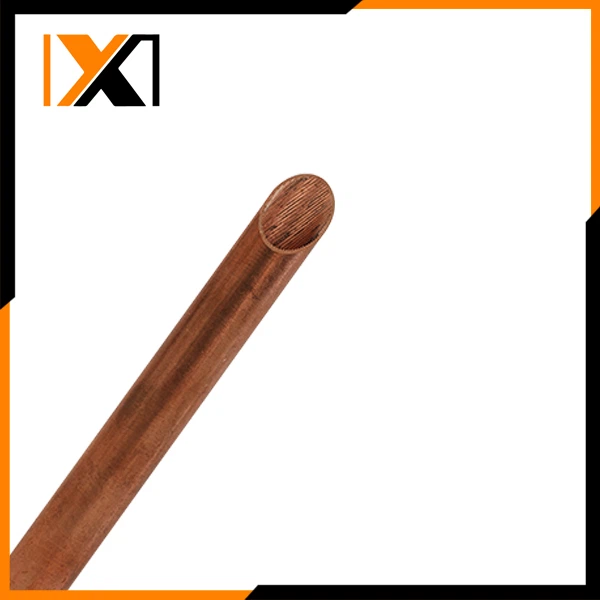

Whether you're working on a small DIY project or a large - scale industrial installation, I can provide you with high - quality copper hemp tubes. If you're interested in learning more or want to start a purchase negotiation, feel free to reach out. We can discuss the best solutions for your project and work out a deal that suits your budget and requirements.
References
- General knowledge about copper and its properties in the field of tube manufacturing.
- Industry reports on the performance of different types of tubes in various applications.




