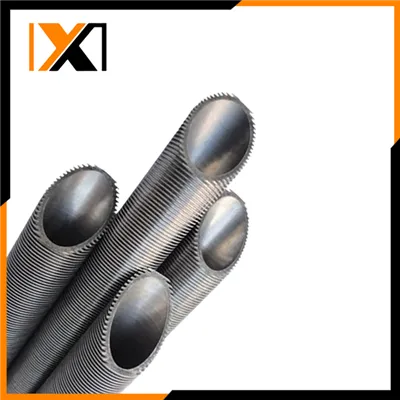
Aluminium brass tubes are a remarkable engineering material, renowned for their unique combination of properties that make them suitable for a wide range of applications. As a leading supplier of aluminium brass tubes, I am excited to explore the diverse uses of these tubes and highlight their significance in various industries.
Marine Applications
One of the most prominent applications of aluminium brass tubes is in the marine industry. The harsh marine environment, characterized by high salinity, temperature variations, and mechanical stress, demands materials that can withstand corrosion and erosion. Aluminium brass tubes offer excellent resistance to seawater corrosion, making them ideal for use in shipbuilding and offshore structures.
In shipbuilding, aluminium brass tubes are commonly used in the construction of heat exchangers, condensers, and cooling systems. These components play a crucial role in maintaining the efficiency and reliability of the ship's engines and other equipment. The high thermal conductivity of aluminium brass tubes ensures efficient heat transfer, while their corrosion resistance prevents the formation of scale and deposits, which can reduce the performance of the system.
Offshore structures, such as oil rigs and platforms, also rely on aluminium brass tubes for their cooling and heat exchange systems. These structures are exposed to the harsh marine environment for extended periods, and the use of corrosion-resistant materials is essential to ensure their long-term durability. Aluminium brass tubes are also used in the construction of seawater desalination plants, where they are used to transfer heat and separate salt from water.
Power Generation
The power generation industry is another major consumer of aluminium brass tubes. In power plants, these tubes are used in heat exchangers, condensers, and boilers to transfer heat from the steam to the cooling water. The high thermal conductivity of aluminium brass tubes ensures efficient heat transfer, which helps to improve the efficiency of the power generation process.
In addition to their thermal conductivity, aluminium brass tubes also offer excellent corrosion resistance, which is essential in power plants where the water used for cooling may contain impurities and chemicals. The use of corrosion-resistant materials helps to prevent the formation of scale and deposits on the tubes, which can reduce the efficiency of the heat transfer process and increase the maintenance costs of the power plant.
Aluminium brass tubes are also used in the construction of nuclear power plants, where they are used in the primary and secondary cooling systems. These systems are critical for maintaining the safety and reliability of the nuclear reactor, and the use of high-quality materials is essential to ensure their long-term performance.
HVAC Systems
Heating, ventilation, and air conditioning (HVAC) systems are another important application area for aluminium brass tubes. In HVAC systems, these tubes are used in the construction of heat exchangers, condensers, and evaporators. The high thermal conductivity of aluminium brass tubes ensures efficient heat transfer, which helps to improve the efficiency of the HVAC system and reduce energy consumption.
In addition to their thermal conductivity, aluminium brass tubes also offer excellent corrosion resistance, which is essential in HVAC systems where the water used for cooling may contain impurities and chemicals. The use of corrosion-resistant materials helps to prevent the formation of scale and deposits on the tubes, which can reduce the efficiency of the heat transfer process and increase the maintenance costs of the HVAC system.
Aluminium brass tubes are also used in the construction of refrigeration systems, where they are used in the evaporators and condensers. These components play a crucial role in the refrigeration process, and the use of high-quality materials is essential to ensure their long-term performance.
Automotive Industry
The automotive industry is another growing market for aluminium brass tubes. In automobiles, these tubes are used in the construction of radiators, condensers, and evaporators. The high thermal conductivity of aluminium brass tubes ensures efficient heat transfer, which helps to improve the cooling performance of the engine and other components.
In addition to their thermal conductivity, aluminium brass tubes also offer excellent corrosion resistance, which is essential in the automotive industry where the components are exposed to harsh environmental conditions. The use of corrosion-resistant materials helps to prevent the formation of rust and other corrosion products, which can reduce the performance and lifespan of the components.


Aluminium brass tubes are also used in the construction of fuel injection systems, where they are used to transfer fuel from the tank to the engine. These components play a crucial role in the performance and efficiency of the engine, and the use of high-quality materials is essential to ensure their long-term reliability.
Other Applications
In addition to the above applications, aluminium brass tubes are also used in a variety of other industries, including chemical processing, food and beverage, and aerospace. In the chemical processing industry, these tubes are used in the construction of heat exchangers, condensers, and reactors. The high corrosion resistance of aluminium brass tubes makes them suitable for use in the handling of corrosive chemicals and fluids.
In the food and beverage industry, aluminium brass tubes are used in the construction of heat exchangers, condensers, and evaporators. The high thermal conductivity and corrosion resistance of these tubes make them suitable for use in the processing of food and beverages, where hygiene and safety are of utmost importance.
In the aerospace industry, aluminium brass tubes are used in the construction of heat exchangers, condensers, and hydraulic systems. The high strength-to-weight ratio and corrosion resistance of these tubes make them suitable for use in the aerospace environment, where weight and reliability are critical factors.
Conclusion
As a supplier of aluminium brass tubes, I am proud to offer a high-quality product that meets the diverse needs of our customers. The unique combination of properties of aluminium brass tubes, including high thermal conductivity, excellent corrosion resistance, and good mechanical properties, makes them suitable for a wide range of applications in various industries.
Whether you are in the marine, power generation, HVAC, automotive, or any other industry, I encourage you to consider using aluminium brass tubes for your next project. Our team of experts is available to provide you with technical support and assistance to ensure that you select the right product for your specific needs.
If you are interested in learning more about our aluminium brass tubes or would like to discuss your specific requirements, please do not hesitate to contact us. We look forward to the opportunity to work with you and help you achieve your goals.
References
- ASM Handbook, Volume 2: Properties and Selection: Nonferrous Alloys and Special-Purpose Materials, ASM International, 1990.
- Corrosion Resistance of Metals and Alloys, Second Edition, George S. Frankel, John Wiley & Sons, 2010.
- Handbook of Heat Transfer, Third Edition, Robert K. Shah and Donald P. Sekulic, John Wiley & Sons, 2003.