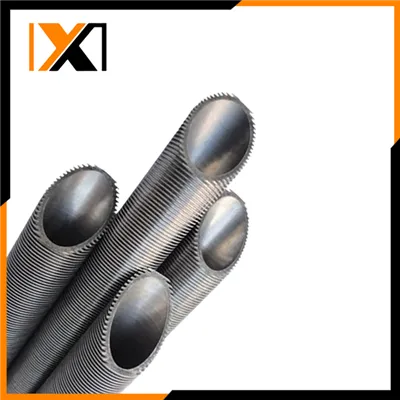
As a supplier of copper tubes and copper alloy tubes, ensuring the safe transportation of our products is of utmost importance. The integrity of these tubes during transit can significantly impact their performance and usability upon arrival at the customer's site. In this blog, I will share some essential tips and strategies on how to transport copper tubes and copper alloy tubes safely.
Understanding the Characteristics of Copper Tubes and Copper Alloy Tubes
Before delving into the transportation methods, it's crucial to understand the unique properties of copper tubes and copper alloy tubes. Copper is a soft, malleable, and ductile metal with excellent thermal and electrical conductivity. Copper alloy tubes, which are made by combining copper with other elements such as zinc, tin, or nickel, offer enhanced mechanical properties and corrosion resistance.
These properties make copper tubes and copper alloy tubes susceptible to damage during transportation. They can be easily dented, scratched, or bent, which can compromise their structural integrity and functionality. Additionally, copper is prone to oxidation, especially in humid or corrosive environments, which can lead to the formation of a greenish patina on the surface of the tubes.
Pre - transportation Preparation
Inspection
Before shipping, a thorough inspection of the copper tubes and copper alloy tubes is necessary. Check for any visible defects such as cracks, dents, or scratches. Measure the dimensions of the tubes to ensure they meet the specified requirements. Any defective tubes should be removed from the batch and either repaired or discarded.


Cleaning
Clean the tubes to remove any dirt, grease, or debris that may have accumulated during the manufacturing process. This can be done using a mild detergent and water, followed by a thorough rinse and drying. Cleaning not only improves the appearance of the tubes but also helps prevent the formation of corrosion during transportation.
Coating
Applying a protective coating to the tubes can provide an additional layer of protection against oxidation and physical damage. There are various types of coatings available, such as anti - rust oils, waxes, and polymer coatings. Choose a coating that is compatible with the type of copper or copper alloy and the intended application of the tubes.
Packaging
Proper packaging is one of the most critical steps in ensuring the safe transportation of copper tubes and copper alloy tubes.
- Inner Packaging: Wrap each tube individually with a soft, protective material such as plastic film or foam. This helps prevent scratches and minor dents during handling and transit.
- Outer Packaging: Place the wrapped tubes in sturdy containers such as wooden crates, steel drums, or cardboard boxes. The outer packaging should be strong enough to withstand the rigors of transportation and protect the tubes from external impacts. Fill any empty spaces in the container with cushioning materials such as bubble wrap or packing peanuts to prevent the tubes from moving around during transit.
Transportation Modes and Considerations
Road Transportation
Road transportation is a common method for transporting copper tubes and copper alloy tubes over short to medium distances. When using road transport, the following considerations should be taken into account:
- Vehicle Selection: Choose a vehicle that is suitable for the size and weight of the tubes. The vehicle should have a flatbed or a well - secured cargo area to prevent the tubes from shifting during transit.
- Securement: Secure the packaged tubes firmly to the vehicle using straps, chains, or ropes. Make sure the tubes are not overloaded and that the weight is evenly distributed to prevent the vehicle from tipping over.
- Route Planning: Plan the route carefully to avoid rough roads, potholes, and sharp turns. These can cause excessive vibrations and shocks, which may damage the tubes.
Rail Transportation
Rail transportation is often used for long - distance shipments of copper tubes and copper alloy tubes. It offers several advantages, such as lower cost and higher capacity compared to road transportation.
- Containerization: Use standard shipping containers to transport the tubes. Containers provide better protection against the elements and reduce the risk of damage during handling and transit.
- Loading and Unloading: Ensure that the tubes are loaded and unloaded carefully using appropriate equipment such as cranes or forklifts. Avoid dropping or throwing the tubes, as this can cause significant damage.
Sea Transportation
For international shipments, sea transportation is a popular choice. However, it also presents some unique challenges, such as exposure to saltwater, high humidity, and rough seas.
- Weatherproofing: Ensure that the outer packaging is weatherproof to protect the tubes from moisture and saltwater. Consider using moisture - absorbing packets or desiccants inside the containers to reduce humidity levels.
- Stowage: Place the containers in a suitable location on the ship to minimize the risk of damage from waves, vibrations, and other external factors. Avoid stowing the containers near areas with high levels of heat or chemicals.
In - transit Monitoring
During transportation, it is important to monitor the condition of the copper tubes and copper alloy tubes. This can be done using various methods, such as:
- Temperature and Humidity Sensors: Install temperature and humidity sensors inside the containers to monitor the environmental conditions. High temperatures and humidity can accelerate the oxidation process, so it is important to keep these parameters within acceptable limits.
- Shock and Vibration Sensors: Use shock and vibration sensors to detect any excessive shocks or vibrations during transit. If a significant shock or vibration is detected, the shipment should be inspected immediately to check for any damage.
Handling at Destination
Upon arrival at the destination, the copper tubes and copper alloy tubes should be handled with care.
- Unloading: Unload the tubes carefully using appropriate equipment. Avoid dropping or dragging the tubes, as this can cause damage.
- Inspection: Conduct a final inspection of the tubes to check for any damage that may have occurred during transportation. If any damage is found, document it and notify the shipping company and the supplier immediately.
Conclusion
Transporting copper tubes and copper alloy tubes safely requires careful planning, preparation, and monitoring. By following the tips and strategies outlined in this blog, you can minimize the risk of damage during transportation and ensure that your customers receive high - quality products.
At our company, we are committed to providing the best - quality copper tubes and copper alloy tubes, and we take every precaution to ensure their safe transportation. If you are interested in purchasing Copper Tubes C12200, Medical Copper Pipe For C12200, or Heat Exchange Seamless Copper Tube 0.2 - 120mm C44300, please feel free to contact us for more information and to discuss your specific requirements. We look forward to serving you and helping you find the right copper tube solutions for your projects.
References
- ASM Handbook Volume 2: Properties and Selection: Nonferrous Alloys and Special - Purpose Materials
- ASTM International Standards for Copper and Copper Alloys
- Transportation Safety Administration Guidelines for Hazardous and Non - hazardous Materials Shipping